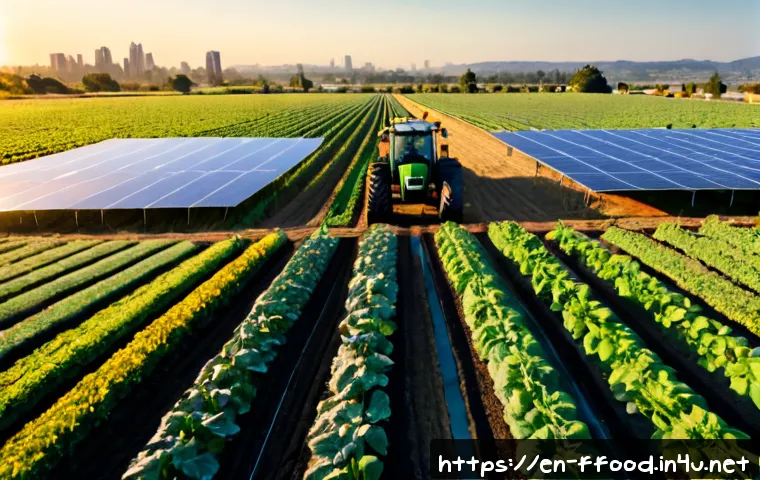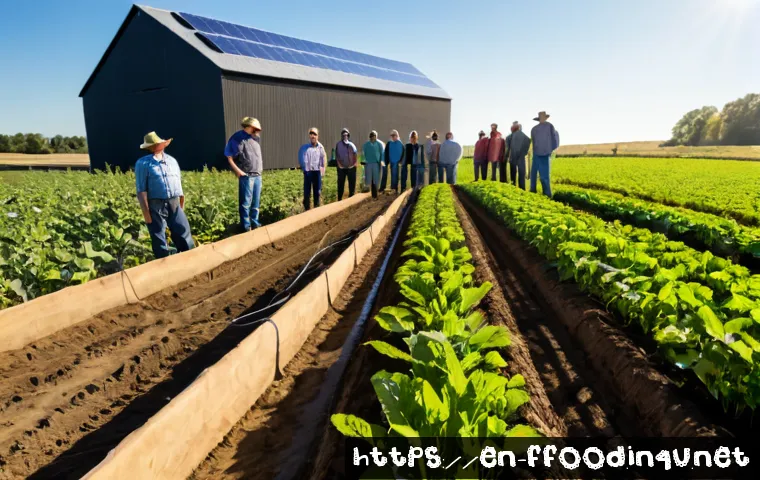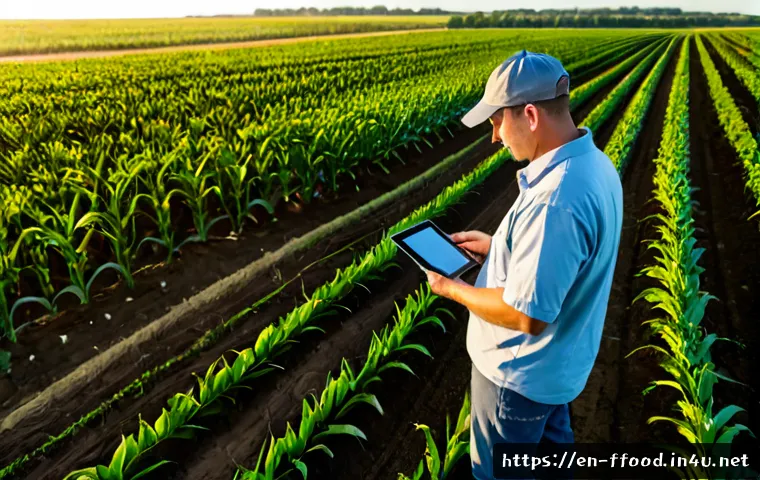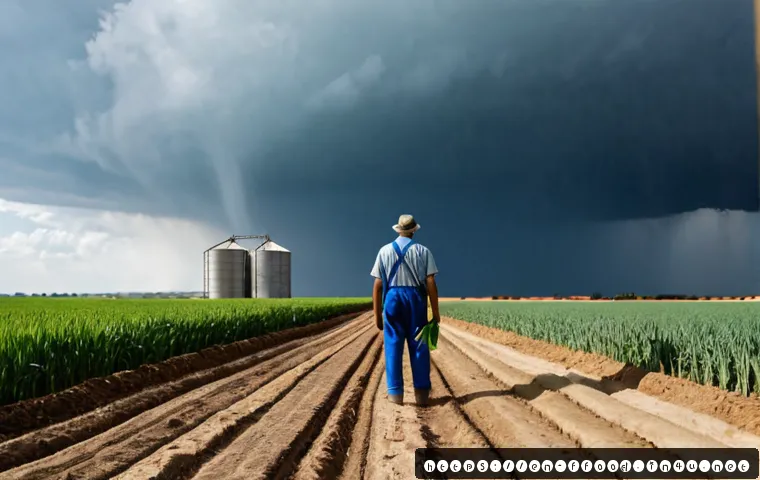
Climate risk can affect food security through four connected areas: availability, affordability, nutrition, and supply-chain reliability. The practical response is not to assume one solution will work everywhere, but to compare local exposure, operating capacity, and measurable risk reduction.
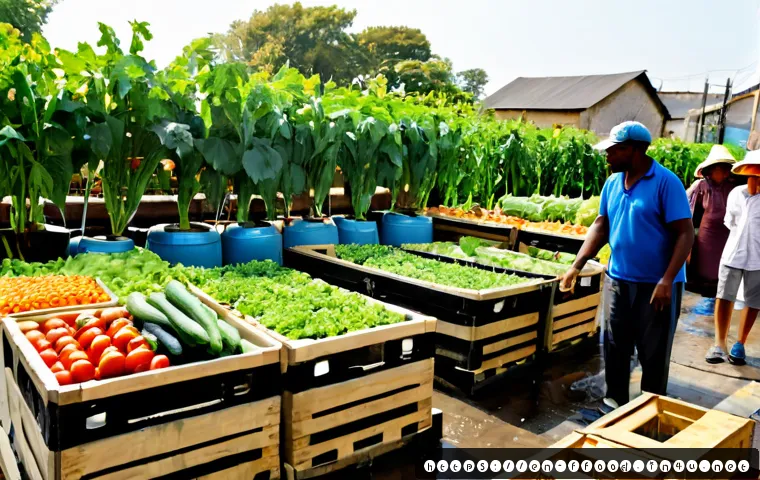
Households may feel the impact through changing food budgets and reduced choice, while farms and food businesses may face production, storage, transport, and procurement pressure.
Reviewing critical foods and suppliers early can make short-term disruptions easier to manage. Climate-resilient agriculture tools, supply risk assessments, and business continuity planning are most useful when they match a clearly defined local risk.
At a Glance
- Food security is broader than crop yields: it includes whether food is available, affordable, nutritious, and reliably delivered.
- Climate shocks can spread through the
- Resilience decisions need comparison: weigh local exposure, operating cost, maintenance, support, and expected risk reduction.
| Risk Type | Likely Operational Effect | Lower-Cost Response | When Further Assessment or Investment May Help |
|---|---|---|---|
| Heat, drought, or changing seasons | Lower or less predictable production | Review crop timing, water use, and supplier options | When a farm or buyer depends heavily on one crop or growing area |
| Flooding or severe weather | Interrupted harvests, damaged storage, delayed deliveries | Map alternate routes and basic inventory needs | When facilities, transport routes, or cold storage are critical |
| Supplier concentration | Limited ability to replace disrupted goods | Identify qualified backup suppliers | When one supplier or region supports a high-priority food item |
| Price pressure | Household budget stress or reduced purchasing flexibility | Reduce waste and plan flexible meals or menus | When essential food procurement has little budget flexibility |
The Short Answer: Why Climate Risk Can Affect More Than Crop Yields
Climate-related food risk does not begin and end at the farm gate. A disruption can affect production, but it can also influence processing, transport, storage, retail availability, and household purchasing choices. The exact scale and timing vary by region, crop, infrastructure, income levels, and future emissions.
Food availability, access, utilization, and stability
Availability asks whether food can be produced, stored, and supplied. Access concerns whether people and organizations can afford or obtain it. Utilization includes the ability to maintain nutritious food choices. Stability is the reliability of all three over time. A food system may have enough products in general while some households or buyers still face affordability or delivery problems.
Why weather shocks can become price and supply-chain shocks
Heat, drought, flooding, and shifting growing conditions may reduce predictability at the production stage. But the effects can widen when roads, warehouses, processing sites, refrigeration, or retail logistics are also disrupted. For a food business, this means a procurement issue may not be solved simply by changing one supplier. For households, it may mean adjusting menus when preferred items are less available or less affordable.
The difference between temporary disruption and long-term vulnerability
A temporary disruption may be managed through a substitute product, a short inventory adjustment, or an alternate delivery route. Long-term vulnerability appears when the same weakness repeats: one growing region, one transport link, one supplier, or one highly sensitive production method. The useful question is not “Can we avoid every disruption?” No single technology or policy can guarantee stable food prices or prevent all climate-related supply problems. Ask instead, “Which failure would hurt us most, and what practical backup do we have?”
Where the Biggest Risks Appear Across the Food System
Heat, drought, flooding, and changing growing conditions
Climate conditions can alter water access, planting windows, crop performance, and the reliability of harvest timing. Farms may consider water management, soil health practices, crop diversification, or protected growing where these fit local conditions. These options are not interchangeable. Their value depends on local water access, farm size, market conditions, available public support, and the capacity to maintain them.
Storage, transport, processing, and retail disruption
Food security also depends on infrastructure. A product that is grown successfully still needs safe storage, dependable transport, processing capacity, and a route to customers. Buyers should map the points where delay would matter most: temperature-sensitive goods, seasonal products, imported ingredients, or deliveries that rely on a limited route. Supply-chain traceability can help organizations see dependencies before a disruption forces rushed purchasing decisions.
Food prices, household budgets, and nutrition trade-offs
When budgets are tight, households may have less room to absorb changing prices or replace unavailable foods. A flexible plan can help: reduce avoidable waste, use a range of ingredients, and avoid building meals around only one difficult-to-replace item. This is not a prediction that every climate event will raise prices everywhere. It is a practical way to prepare for uncertainty without assuming a single outcome.
Comparing Resilience Options: Value, Cost, and Practical Fit
Farm-level measures: water management, soil health, crop diversification, and protected growing
Farm resilience investments should begin with the most relevant local constraint. Water management may be central in one location, while soil conditions, drainage, crop timing, or pest pressure may deserve attention elsewhere. Crop diversification can reduce reliance on one output, but it may also add planning, marketing, and management demands. Protected growing can offer more control in some settings, yet its operating needs and maintenance requirements must be evaluated realistically.
Buyer and business measures: supplier diversification, inventory planning, and traceability
Food businesses and institutions can reduce procurement risk by qualifying alternative suppliers, reviewing inventory policies, and documenting critical product dependencies. Supplier diversification is not simply adding names to a list. Backup suppliers should be able to meet relevant quality, volume, timing, and delivery requirements. A business continuity plan is most useful when it identifies who makes decisions, what triggers action, and which products receive priority.
How to compare upfront cost, operating cost, maintenance, and expected risk reduction
A resilience option may look attractive because it is new or highly visible, but the best choice is often the one that solves a specific weak point with manageable operating demands. Compare the initial investment with ongoing labor, energy, maintenance, training, replacement needs, and local technical support. Then define the outcome to measure: fewer delivery delays, more reliable water use, improved supplier visibility, or a wider set of procurement options. If an outcome cannot be described, it will be difficult to assess whether the investment is working.
Practical Planning Steps and Mistakes to Avoid
Map critical foods, suppliers, seasons, and transport dependencies
Start with a simple list of foods or ingredients that are essential to a household, farm operation, menu, or institutional service. Note where they come from, when they are most vulnerable to seasonal disruption, and how they travel. This basic map often reveals hidden concentration risk before an expensive supply-chain risk assessment is needed.
Set trigger points for shortages, price increases, and delivery delays

Set practical triggers in advance. For example, a buyer may review alternatives when a delivery delay affects a key product, while a household may switch meal plans when a staple becomes difficult to find within its usual budget. The trigger should prompt a review, not an automatic assumption about the cause or duration of the disruption.
Avoid overreliance on one supplier, one region, or one adaptation method
Local production can be valuable, but local does not automatically mean climate-resilient. A nearby supplier may face the same heat, water, flooding, or infrastructure exposure as the buyer. Likewise, one adaptation tool may address one risk while leaving other weak points unchanged. Build a mix of practical options rather than treating any single source, technology, or policy as a complete safeguard.
What Different Groups Can Do First
Households: budgeting, reducing waste, and building flexible meal plans
Households can begin with a short list of flexible meals that use interchangeable ingredients. Track avoidable waste, keep food storage organized, and avoid depending on a narrow set of products when reasonable substitutes are available. The goal is everyday flexibility, not stockpiling or making assumptions about future shortages.
Farmers: prioritizing locally suitable practices and technical support
Farmers can identify the production constraint that creates the greatest risk: water, soil, heat, drainage, timing, labor, or market access. Seek locally relevant agricultural advisory services before committing budget to equipment or protected growing systems. A tool that performs well elsewhere may not match local water conditions, farm scale, or maintenance capacity.
Food businesses and institutions: procurement standards and continuity planning
Organizations can define minimum procurement information for high-priority foods, including source location, lead time, storage needs, substitute options, and supplier contact procedures. This supports better continuity planning and makes supplier conversations more useful. The aim is not to eliminate every risk, but to avoid being surprised by dependencies that could have been identified earlier.
Selection Criteria and Comparison Summary
Before selecting a climate-resilience agriculture tool, procurement platform, supply-chain risk service, or continuity planning provider, compare these points:
- Local climate exposure: Which hazards are relevant to the farm, supplier base, storage site, or transport route?
- Total operating cost: Include setup, labor, energy, maintenance, training, and replacement needs.
- Local support: Check whether technical help, repair options, and practical guidance are available where the solution will be used.
- Implementation capacity: Consider staffing, time, data quality, and management attention.
- Measurable risk reduction: Define what improvement should be visible after adoption.
- Fallback options: Confirm what happens if the tool, supplier, facility, or route is unavailable.
When exposure is complex or the budget commitment is significant, agricultural advisory services, supply-chain risk support, or climate-resilience vendors may help structure the comparison. Compare total operating cost, local support, maintenance needs, and measurable risk reduction before committing. Official guidance and detailed service conditions should be reviewed on the relevant provider’s page.
Final Thoughts
Climate change can reshape food security through connected pressures on production, access, nutrition, and supply reliability. The strongest response is usually specific rather than dramatic: identify the most important dependency, add a workable backup, and measure whether the change reduces that risk. Farms, households, and food organizations do not need identical plans. They need plans that fit their local exposure and practical capacity.
Useful Information to Keep in Mind
Start with dependencies, not products. A food item may be available today while its transport, storage, or supplier network remains fragile. Use substitutes thoughtfully. A substitute should meet nutrition, quality, operational, and budget needs. Review plans regularly. Seasons, suppliers, infrastructure, and market conditions can change.
Important Considerations
The scale, timing, and location of climate-related food-security impacts cannot be assumed in advance. The cost-effectiveness of adaptation measures depends on local conditions, including water access, farm size, market conditions, and public support. This guide is a planning framework, not a guarantee of stable prices, uninterrupted supply, or successful outcomes from any individual technology or policy.
Frequently Asked Questions
Q1. How does climate change affect food security for ordinary households?
A1. It can affect the reliability, affordability, and variety of food through changes in production, transport, storage, and retail supply. The effect will differ by location and household budget. Flexible meal planning, waste reduction, and awareness of substitute foods can improve day-to-day resilience.
Q2. Which climate-resilience investments are most practical for small farms and food businesses?
A2. The most practical option depends on the main local risk and the ability to operate and maintain the solution. Farms may compare water management, soil health, diversification, and protected growing. Food businesses may compare supplier diversification, inventory planning, traceability, and business continuity support. Start with the risk that would cause the greatest operational disruption.
Q3. Is local food always a safer choice during climate-related supply disruptions?
A3. No. Local food may reduce some transport dependencies, but local producers can still face heat, drought, flooding, infrastructure damage, or other regional pressures. A more reliable approach is to understand the exposure of each source and maintain realistic alternatives rather than assuming distance alone determines resilience.