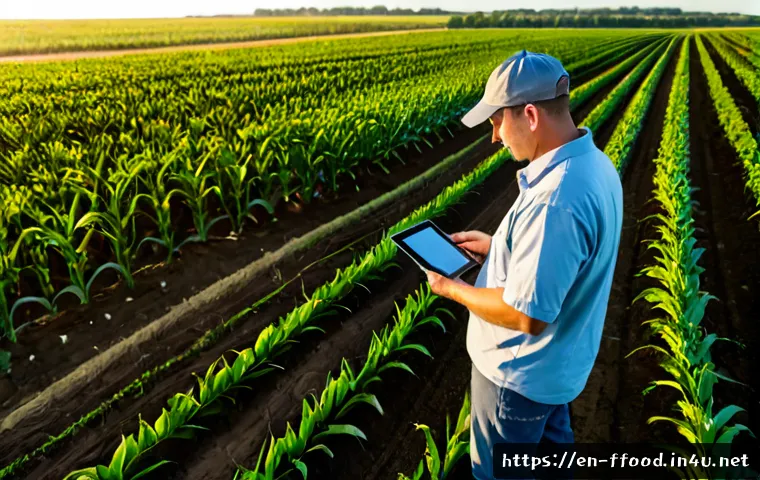
The best first step in improving farm output is to measure the main bottleneck before buying technology. Start with one clear goal—such as reducing input overlap, improving irrigation timing, organizing field records, or easing a labor-heavy task—and choose a tool that directly supports it.
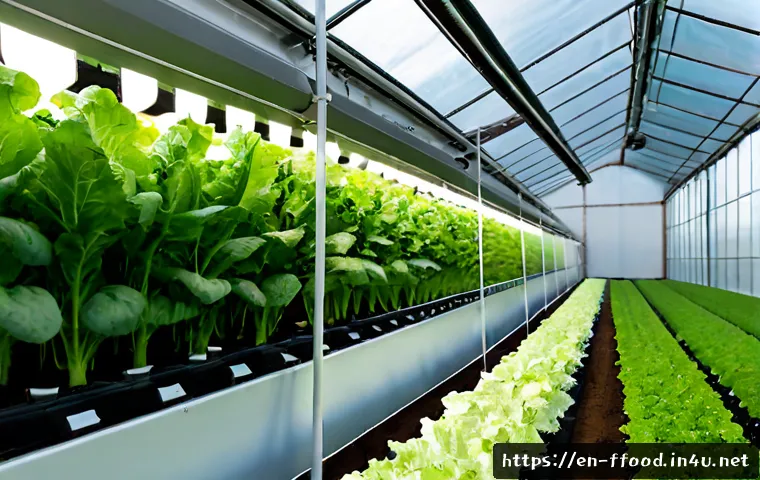
Precision agriculture, irrigation systems, farm management software, and automated equipment can all be useful, but their value depends on crop type, field conditions, operator skills, connectivity, and local support.
A soil testing service or stronger recordkeeping process may be a more practical first investment than a large equipment purchase. Compare total operating requirements, not just the initial quote, because subscriptions, installation, training, repairs, and data work can affect the real cost.
The right choice is usually the technology that fits an existing workflow and produces information the farm can act on.
At a Glance
- Measure the constraint first: identify whether yield, inputs, water, labor, equipment accuracy, or recordkeeping is limiting performance.
- Start with a measurable use case: a pilot field, crop block, or one recurring task is easier to evaluate than a farm-wide rollout.
- Compare the full operating cost: include setup, service, subscriptions, training, maintenance, and the time needed to use the data.
| Technology Path | Best Starting Use | What It Requires | Key Cost Consideration | Common Limitation |
|---|---|---|---|---|
| Soil testing and input planning | Understanding nutrient levels and soil characteristics before finalizing fertilizer plans | Sampling process, field records, interpretation, and a workable application plan | Testing service, sampling labor, and agronomy support where needed | Results only help when they are connected to practical field decisions |
| Precision guidance and auto-steering | Improving consistency during suitable field passes | Compatible machinery, operator training, and reliable setup | Hardware, installation, correction services, and maintenance | Benefits vary with field layout, terrain, tasks, and equipment fit |
| Irrigation monitoring and controls | Supporting irrigation scheduling based on crop, weather, soil moisture, and system performance | Measurement routines, system maintenance, connectivity, and response to alerts | Sensors, controls, installation, repairs, and possible service plans | Monitoring does not replace checking system performance in the field |
| Farm management software | Centralizing inputs, field activity, labor, inventory, and production records | Consistent record entry, staff adoption, and defined reporting workflows | Subscription fees, onboarding, data migration, and training time | An unused platform becomes another recurring cost |
| Sensors, drones, and connected equipment | Observing conditions or equipment activity across fields | Data collection, maintenance, interpretation, and connectivity | Equipment, software, data plans, repair, and analysis time | More data can create more work without clear decision rules |
Start With the Farm Bottleneck, Not the Technology
Use a three-line decision rule
Before comparing precision agriculture software, irrigation equipment, or farm automation, define what is holding the operation back. Is the farm losing time to repeated field passes? Is irrigation scheduling difficult to manage? Are fertilizer decisions being made without current soil information? Are records spread across paper notes, spreadsheets, and equipment displays?
Measure the problem, choose one objective, then select the simplest tool that helps improve that objective. This approach reduces the risk of purchasing a system that looks capable but does not solve a daily operating issue.
For example, a farm that struggles to compare field activities may benefit first from better digital records. A farm with irrigated crop blocks may focus on water measurement, scheduling, and system performance. A farm making repeated passes over large areas may investigate GPS guidance or auto-steering where machinery compatibility supports it.
Set a baseline before spending capital
A baseline is the starting point used to judge whether a change is useful. It can include existing field activity records, input use, labor routines, irrigation observations, equipment workflows, and production outcomes. The baseline does not need to be perfect, but it should be consistent enough to compare one season, field, or crop block with another.
Keep the baseline practical. Record which fields were worked, what activity occurred, which inputs were used, when irrigation events happened, and where labor time is concentrated. Farm management software can centralize this information, but a clear process matters before choosing a platform.
Do not buy data tools before deciding who will enter, review, and act on the data. Sensors and connected equipment can collect useful information, yet their value depends on maintenance and interpretation. If no one owns the workflow, alerts and reports may be ignored.
Choose one measurable objective for the first season
A first-season objective should be narrow enough to manage. Examples include improving the consistency of suitable field passes, organizing input and labor records in one place, reviewing soil characteristics before fertilizer planning, or improving irrigation scheduling using crop needs, weather conditions, soil moisture, and system performance.
Avoid setting an overly broad goal such as “make the farm smart.” Instead, ask: What decision will change if this technology is available? If the answer is unclear, request a demo, consult an agronomy service, or test a limited workflow before committing to a larger purchase.
Compare the Main Technology Paths by Value and Operating Fit
Soil testing and variable-rate input planning
Soil testing can help identify nutrient levels and soil characteristics before fertilizer plans are finalized. For many growers, this is a logical starting point because it connects directly to a recurring planning decision. The farm still needs a dependable sampling approach, field identification, and a method for using the results.
Variable-rate input planning may be considered where the operation has location-specific records, compatible application equipment, and a clear plan for interpreting field variability. Precision agriculture is not simply a hardware purchase. It is a process of using location-specific information to guide decisions about seeding, fertilization, irrigation, or crop protection.
Check before buying: ask whether the available maps, files, and recommendations work with current equipment and service providers. Compatibility, local agronomy support, and operator confidence can matter as much as the software features.
Irrigation monitoring and automated controls
Irrigation technology can support scheduling when it brings together crop needs, weather conditions, soil moisture, and system performance. A monitoring system may help the operator review conditions more consistently, but it does not remove the need to inspect equipment, verify measurements, and respond to changing field conditions.
For irrigated operations, begin with the practical questions. Are water applications being recorded? Is system performance being checked? Are schedules based on current field conditions or mainly on habit? Better measurement and maintenance may be the right foundation before adding remote controls or connected sensors.
When comparing irrigation systems, ask vendors and installers about installation requirements, connectivity, service response, maintenance responsibilities, and compatibility with existing infrastructure. The exact water savings or payback period should be verified for the specific farm rather than assumed from a general product claim.
GPS guidance, auto-steering, and implement accuracy
GPS guidance and auto-steering can support more consistent field passes and reduce overlap in suitable operations. They may be relevant for growers who need repeatable equipment paths across fields, especially where the existing workflow makes accurate passes difficult to maintain.
The potential operating value is tied to the work being performed. A farm should review which passes are repeated, where overlap occurs, whether operators can use the system confidently, and whether the machinery can support the selected technology. Terrain, field shape, connectivity, and equipment configuration may all affect the result.
For a large purchase, compare an ownership quote with alternatives such as farm equipment leasing, custom application, contractor services, or a pilot arrangement. Ownership may be appropriate for frequent use, while a service model can be lower-risk when the need is seasonal, occasional, or still uncertain.
Farm management software, sensors, and connected equipment
Farm management software may centralize records for inputs, field activity, labor, inventory, and production outcomes. This can help a manager see the operation in one place, especially when multiple fields, staff members, or equipment units are involved.
However, software should fit the records the farm is realistically able to maintain. A simple system that is used every week can be more useful than a complex platform that only receives data at the end of the season. Ask whether the software can accept current records, export data when needed, and provide the reports the farm actually reviews.
Sensors and connected equipment can add useful visibility, but they create recurring responsibilities. Batteries, devices, signals, alerts, calibration, repairs, and data review all need attention. Choose connected tools only when there is a clear response plan for the information they produce.
Build a Cost and Return Plan Before You Buy
Separate one-time costs from ongoing commitments
A vendor quote may show the purchase price, but that is not the complete cost. Build a total-cost checklist before comparing options:
- Equipment purchase or lease payments
- Software subscription or data service fees
- Installation, integration, and field setup
- Training for owners, managers, and operators
- Maintenance, calibration, repairs, and replacement parts
- Connectivity or data-management requirements
- Time spent entering records, reviewing alerts, and producing reports
The lowest initial quote is not always the lowest operating cost. A lower-priced system may require more manual work, while a higher-cost option may include stronger service or easier integration. Neither is automatically better; the decision depends on the farm’s operating capacity.
Estimate value from operational changes
Rather than assuming a fixed yield increase or savings rate, estimate where the technology could change an existing workflow. Possible areas include reduced overlap in suitable operations, more organized input records, improved timing of field activities, better irrigation scheduling, lower time spent searching for information, or more labor capacity for other tasks.
Use the farm’s own records wherever possible. If a change cannot be measured precisely at first, track it in a pilot area and document what changed. The goal is not to create a perfect financial model. It is to avoid making a decision based only on product features or broad marketing claims.

For precision agriculture software or an irrigation monitoring package, request an explanation of what reports, alerts, maps, or support are included. Then ask who on the farm will use each item and what decision it will inform.
Consider leasing, custom services, or contractors
Buying equipment is not the only path. Farm equipment leasing can reduce the commitment of ownership in some situations. A soil testing service, agronomy adviser, custom operator, or irrigation contractor may also provide access to specialized capability without requiring the farm to maintain every tool internally.
This can be especially useful when the farm has a limited number of acres, a short seasonal need, uncertain compatibility, or no staff member available to manage the technology. Compare service terms carefully, including scheduling, support availability, data access, and responsibility for problems.
Implement Technology Without Creating New Operational Problems
Start with a pilot field, crop block, or workflow
A pilot makes it easier to test whether the tool fits field conditions and staff routines. Choose an area that represents a real operating challenge but is manageable enough to observe closely. Document the setup, records collected, operator feedback, and the decisions made from the information.
Expand only after the farm can show that the workflow is being used consistently. A small pilot can reveal issues with connectivity, calibration, equipment fit, or data handling before they affect more of the operation.
Assign responsibility for records and alerts
Technology adoption often fails because responsibility is vague. One person may need to check irrigation alerts. Another may enter input records. An equipment operator may need to confirm guidance settings before a field pass. A manager may need to review reports at a scheduled time.
Write these responsibilities down in simple language. Training should cover the actual task, not only the product features. If operators are uncomfortable with the workflow, collect that feedback early and adjust the process.
Avoid common implementation mistakes
Common problems include poor calibration, incomplete records, weak connectivity, unclear data ownership, missed maintenance, and subscriptions that are not actively used. Another frequent issue is collecting more data than the farm can interpret.
Before each season, review whether devices are functioning, whether field names and records are consistent, and whether the team knows what to do with alerts. If a platform or sensor is not supporting an actual decision, consider simplifying the setup rather than adding more tools.
Match the Approach to Your Farm Situation
Small and diversified farms
Small or diversified farms may benefit from prioritizing recordkeeping, soil testing, and targeted upgrades over a broad technology stack. The goal is to improve visibility without creating too much administration. A straightforward farm management software option may be useful if it matches the farm’s recordkeeping habits and does not demand unnecessary complexity.
Irrigated operations
Irrigated farms should focus on water measurement, irrigation scheduling, system maintenance, and the ability to respond to changing conditions. Monitoring tools can be useful when the farm has a clear process for reviewing data and checking system performance. Confirm infrastructure compatibility and local service options before investing in automated controls.
Labor-constrained farms
Labor-constrained operations can assess automation and workflow simplification. GPS guidance, auto-steering, connected equipment, or centralized task records may help make selected activities more consistent. The best choice depends on the task, equipment, operator skills, and how often the technology will be used.
Multi-field or expanding operations
Operations managing multiple fields may benefit from standardized field names, consistent activity records, shared equipment workflows, and regular reporting. Farm management software can support this structure, but only if staff use the same process across locations. Standardization should come before adding multiple disconnected tools.
Selection Criteria and Comparison Summary
Before requesting quotes or signing a contract, compare options using a short decision checklist:
- Problem fit: What exact production or operating bottleneck does this solve?
- Compatibility: Will it work with current machinery, irrigation infrastructure, records, and connectivity?
- Operating workload: Who will collect data, maintain equipment, review alerts, and act on the results?
- Total cost: What are the purchase, subscription, installation, training, maintenance, repair, and data-management costs?
- Support and terms: What service response, training, data access, contract terms, and ownership conditions apply?
- Rollout choice: Is it better to buy now, run a pilot, use a contractor, lease equipment, or postpone the decision?
Request vendor demos, written service details, compatibility information, and contract terms before deciding. For precision agriculture software, irrigation systems, agronomy services, or equipment leasing, review the official product or provider page for the current specifications and conditions.
Closing Thoughts
Agricultural productivity technology works best when it supports a defined farm decision. Soil testing, irrigation monitoring, precision guidance, and farm software each have a different operating role. Start with the most visible constraint, establish a baseline, and test a manageable workflow. A careful comparison of fit, support, and total cost can be more valuable than choosing the product with the longest feature list.
Useful Information to Keep in Mind
1. Soil testing is most useful when results are reviewed before fertilizer plans are finalized.
2. Irrigation scheduling typically depends on crop needs, weather, soil moisture, and system performance.
3. GPS guidance can support consistent field passes in suitable operations, but equipment fit should be confirmed.
4. Digital records need a routine for collection, review, maintenance, and interpretation.
5. A pilot can expose workflow issues before a full farm rollout.
Important Considerations
Technology performance varies by crop type, field size, terrain, connectivity, operator skills, and local service availability. Exact equipment prices, subscription fees, installation costs, financing terms, compatibility, yield changes, labor reductions, water savings, and payback periods must be confirmed for the individual farm. Local regulations, incentives, data ownership terms, and agronomic requirements should also be checked before purchase or implementation.
Frequently Asked Questions
Q1. What agricultural technology usually offers the best starting value for a small farm?
A1. A practical starting point is often better recordkeeping, soil testing, or a targeted service that addresses one recurring decision. The best option depends on the farm’s main constraint, crop mix, staff capacity, and existing equipment. Small farms should generally avoid adding complex systems unless there is a clear workflow for using them.
Q2. How should a farm compare the cost of precision agriculture tools with expected savings?
A2. Compare the full cost of ownership or use, including equipment, subscriptions, installation, training, maintenance, repairs, and data work. Then identify the specific operational change the tool may support, such as more consistent field passes, improved records, or reduced input overlap in suitable operations. Use farm records and a limited pilot where possible rather than assuming a universal payback period.
Q3. Is farm management software worth paying for if records are currently kept in spreadsheets or on paper?
A3. It may be worthwhile if the software can centralize records that are currently difficult to find, compare, or share across the operation. First confirm that the team will enter information consistently and that the platform provides reports or workflows the farm will actually use. If current spreadsheets are organized and reliable, improving the existing process may be a sensible step before moving to a subscription platform.