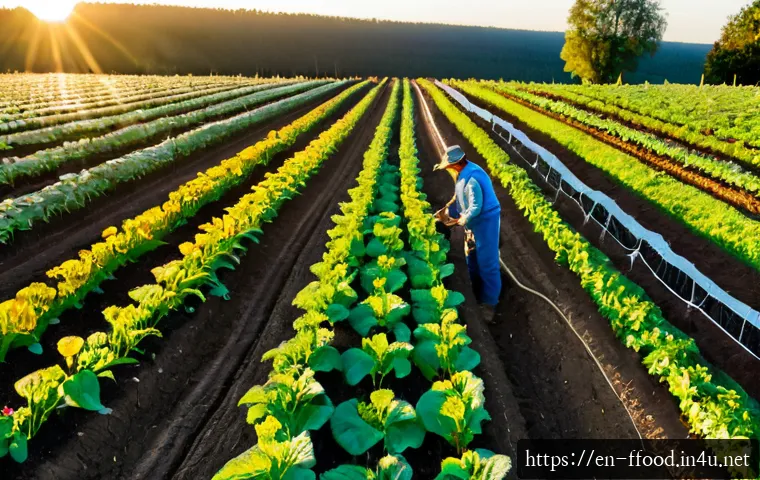
Sustainable farming is likely to advance through better soil management, more precise use of water and inputs, and stronger farm records—not through one universal technology or certification.
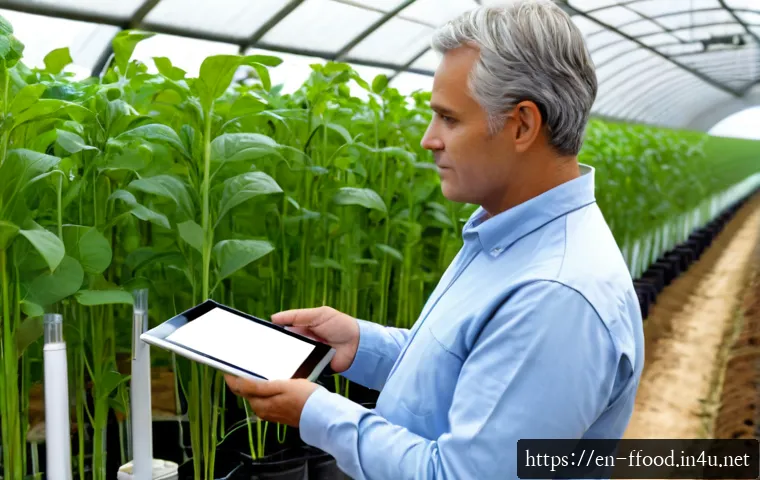
The practical first step is to identify the farm’s main constraint, then compare low-cost management changes with investments in monitoring, irrigation, automation, or consulting.
For many operations, cover crops, nutrient planning, and baseline recordkeeping can be tested before committing to equipment. Where water availability or water pricing affects profitability, precision irrigation and soil-moisture monitoring may deserve earlier consideration.
Buyers and lenders may also place more value on traceability and documented production practices. The best transition path depends on the crop system, labor capacity, data quality, maintenance capability, and local market requirements.
At a Glance
- Start with management: Soil cover, nutrient planning, crop rotation, and better records can improve resource decisions without requiring major equipment purchases.
- Invest where the constraint is clear: Precision irrigation, soil monitoring, and farm technology are most useful when their data changes daily or seasonal decisions.
- Document before making claims: Traceability, environmental reporting, and certification may matter to buyers, but requirements and revenue effects must be verified locally.
| Transition Option | Upfront Cost Level | Operating Impact | Data and Maintenance Needs | Likely Fit |
|---|---|---|---|---|
| Soil-health practices | Usually lower capital needs, but operating changes may be required | May affect field planning, labor, and input decisions | Basic field records and observation are important | Diversified farms, row-crop farms, mixed operations |
| Precision irrigation and soil-moisture monitoring | Equipment and installation costs may apply | Can support more targeted water decisions | Requires reliable readings, maintenance, and response plans | Farms where water availability or water pricing matters |
| Farm-management and traceability software | May involve software, setup, and training costs | Can improve recordkeeping and reporting workflows | Consistent data entry and staff adoption are essential | Growing farms and supply chains with reporting needs |
| Certification or sustainability consulting | May include verification, advisory, and administrative costs | Can organize compliance and buyer-facing documentation | Strong records and clear production documentation are needed | Suppliers facing buyer, retailer, processor, or lender requests |
What Sustainable Farming May Look Like in the Next Decade
The shift from single practices to whole-farm resource management
The future of sustainable agriculture is less likely to be defined by one input, label, or machine. It is more likely to involve whole-farm resource management: connecting soil cover, nutrient management, water use, crop planning, biodiversity, labor, and farm economics.
Soil-health practices may include cover crops, reduced tillage, crop rotation, compost use, and managed grazing. The right combination depends on the farm system. A practice that fits one crop, field, or climate may not transfer directly to another.
Why soil, water, energy, and traceability are becoming connected decisions
Farms increasingly need decisions that work across several areas at once. A water-efficiency upgrade may affect labor routines and energy use. Better nutrient records may support both field planning and buyer reporting. A traceability tool may be useful only if the underlying production records are accurate.
Technology does not replace agronomic planning. Sensors, weather stations, renewable energy systems, and farm-management platforms are useful when the farm can maintain them, interpret the data, and act on the information.
Three immediate takeaways for farm owners and agricultural buyers
First, establish a baseline before promising improvements. Second, pilot a practice or tool in one field, crop, or production block before scaling. Third, ask whether an investment solves a real operating constraint rather than simply adding more data.
Where the Biggest Farm Investments May Deliver Value
Soil-health practices versus equipment-based upgrades
Practice-led changes can be a sensible starting point when capital is limited. They may require planning, labor adjustments, and patience during a learning period, but they can be tested without building the entire transition around equipment.
Equipment-based upgrades can make sense when a farm has a defined bottleneck. For example, a farm affected by water availability may prioritize drip irrigation or soil-moisture monitoring. A farm with complex records may first evaluate farm-management software. The decision should follow the constraint, not the latest product category.
Precision irrigation, weather stations, and soil-moisture monitoring
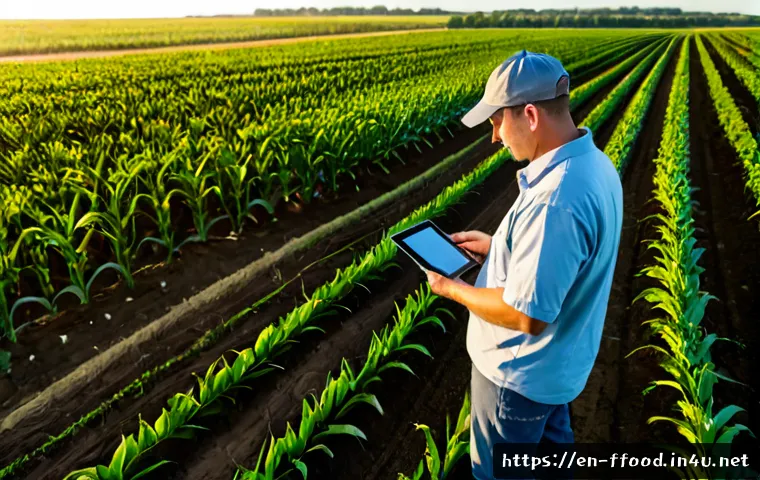
Precision agriculture tools can help monitor field variability and target water, fertilizer, and crop protection products more accurately. Their value depends on whether information arrives in time to influence irrigation or input decisions.
Before comparing irrigation quotes, clarify the water source, field layout, existing infrastructure, staff responsibilities, connectivity, maintenance needs, and how readings will guide action. A monitoring system without a clear response process can become an extra task rather than a useful management tool.
Farm-management platforms, traceability tools, and reporting needs
Buyers, processors, retailers, and lenders may increasingly request traceability, environmental reporting, or documented production practices. Farm-management platforms can help organize those records, but the platform should fit the people who will use it every day.
When evaluating farm-management software, look beyond feature lists. Consider data entry workload, export options, staff training, field-level reporting, and compatibility with current workflows. A simple system used consistently can be more useful than a complex system with incomplete records.
Comparing upfront cost, labor savings, risk reduction, and payback uncertainty
A purchase decision should not rely on a single promised outcome. Review the likely operating impact alongside equipment cost, installation, training, maintenance, service contracts, recordkeeping, and replacement needs. Exact return on investment is farm-specific and can be affected by weather, financing conditions, commodity prices, and local demand.
How to Build a Practical Transition Plan
Start with baseline records for inputs, yield, water, and labor
Build a starting picture of the operation. Track inputs, yield, water use where relevant, labor demands, and the production practices already in place. These records make it easier to compare options and explain changes to partners, buyers, or lenders.
Pilot one field, crop, or production block before scaling
A pilot limits disruption while creating a learning period. Choose a field or block where the goal is clear: improve soil cover, manage irrigation more precisely, reduce an avoidable input, or improve traceability. Set practical review points and record what changes operationally.
Match financing, service contracts, and training to the technology choice
Technology adoption includes more than the purchase. Ask who installs the equipment, who maintains it, who checks the data, and what happens when connectivity or hardware fails. Renewable energy systems, monitoring tools, and automation can each require different service arrangements.
Training is part of the investment. If the farm cannot support the workflow after installation, the tool may not deliver its intended value.
Common Risks and Mistakes to Avoid
Buying technology before identifying the farm’s limiting factor

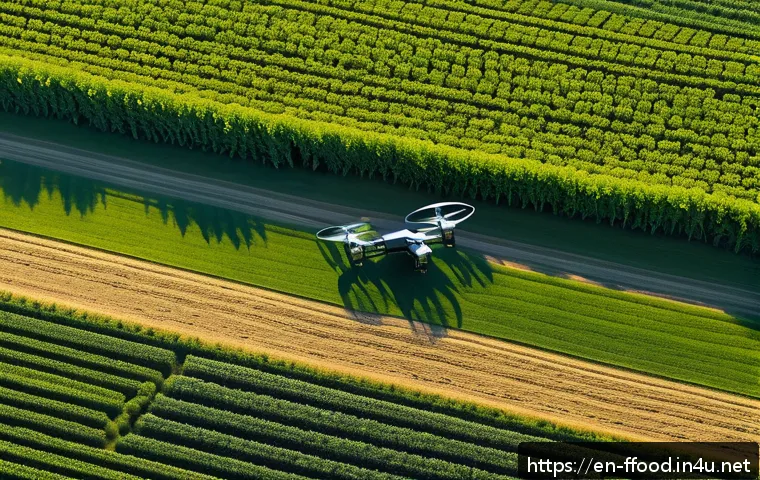
A drone, sensor, or dashboard is not automatically the best first investment. The limiting factor might be irrigation scheduling, nutrient planning, labor organization, soil cover, or incomplete records. Identify that issue first.
Underestimating maintenance, connectivity, and staff training
Farm technology depends on data quality and consistent operation. Check connectivity in the intended field locations, maintenance expectations, replacement procedures, and whether staff have time to learn the system.
Assuming certification or environmental claims automatically create a price premium
Certification and documented practices may be important for certain buyer relationships, but they do not automatically create premium pricing. Verify current buyer requirements, acceptable documentation, and local certification rules before making a business case.
Measuring success only by yield instead of margin, resilience, and resource use
Yield is important, but it is not the only measure. Review margin, labor demands, water efficiency, input use, crop performance, operational risk, and the farm’s ability to manage difficult conditions over time.
Which Path Fits Different Types of Farms?
Small farms and direct-to-consumer producers
Small diversified farms may benefit from simple recordkeeping, soil-health planning, crop rotation, and targeted irrigation improvements. Prioritize changes that fit limited labor capacity and can be explained clearly to customers without making unsupported claims.
Large field-crop operations
Large operations may find value in precision agriculture where field variability creates meaningful differences in water or input decisions. A pilot approach remains useful: test monitoring, automation, or variable management in defined areas before wider deployment.
Livestock and mixed-farming businesses
Livestock producers may consider managed grazing, nutrient management, soil cover, and manure or compost planning as connected decisions. Mixed farms can assess how crop and livestock activities support each other while keeping practical records.
Food companies sourcing from multiple farms
Food businesses should make reporting expectations clear and workable. Requesting traceability or environmental documentation without aligning definitions, timelines, and verification requirements can increase supplier burden without improving decision-making.
Selection Criteria and Comparison Summary
Choose practice-led improvements when capital is limited and the farm needs a manageable starting point. Choose monitoring or automation when reliable data can change water, labor, or input decisions in time. Choose certification or sustainability consulting when buyer requirements, reporting needs, or verification expectations directly affect the business relationship.
Before requesting equipment quotes or service proposals, check: the farm’s limiting factor; baseline records; installation and maintenance responsibilities; staff training needs; data ownership and reporting requirements; and the local rules or buyer conditions that apply. Compare irrigation quotes, evaluate farm-management software, or request a site-specific sustainability assessment only after these decision points are clear. Official product details and service conditions should be reviewed on the relevant provider’s page.
In Closing
The next decade of sustainable farming will likely reward practical systems rather than isolated purchases. Soil, water, records, labor, and buyer expectations are increasingly connected. A phased transition helps farms learn with less disruption. Start with the problem that matters most, document the result, and expand only when the approach fits the operation.
Useful Information to Keep in Mind
Keep records early: Baseline information supports better comparisons later.
Use pilots wisely: A limited trial can reveal labor, maintenance, and training needs.
Ask operational questions: The best tool is one the farm can use consistently.
Confirm external requirements: Buyer, lender, certification, and reporting conditions can differ by region and supply chain.
Important Considerations
Policy changes, subsidies, carbon-market rules, certification requirements, financing rates, local buyer demand, weather, and commodity prices can change over time. No single sustainable practice, sensor, irrigation upgrade, drone, renewable energy system, or certification pathway has the same outcome for every farm. Site-specific agronomic, financial, and contractual details should be checked before making a commitment.
Frequently Asked Questions
Q1. Is sustainable farming profitable for small and mid-sized farms?
A1. It can be commercially relevant, but profitability depends on the farm system, labor, local demand, input use, water conditions, and transition costs. Small and mid-sized farms may reduce risk by starting with manageable practice changes and keeping clear records before expanding investments.
Q2. Which farm technology is worth investing in first: irrigation monitoring, drones, or farm-management software?
A2. Start with the technology that addresses the clearest constraint. Irrigation monitoring may be more relevant where water availability or water pricing affects profitability. Farm-management software may be more useful when reporting and records are the gap. Drones should be evaluated based on whether the imagery will lead to timely field decisions.
Q3. Do regenerative or organic practices always cost more to implement?
A3. Not always in the same way. Transitioning to lower-input or certified production systems can involve upfront costs, operational changes, recordkeeping, and a learning period. The effect on costs, yields, or price premiums varies by crop, climate, market, and certification requirements, so the local business case should be reviewed carefully.