Climate change puts food security under pressure by disrupting food availability, access, nutrition, and stability over time. The most practical response is to identify the weakest link—water, crops, storage, transport, sourcing, or household budgets—and strengthen it before a disruption occurs.
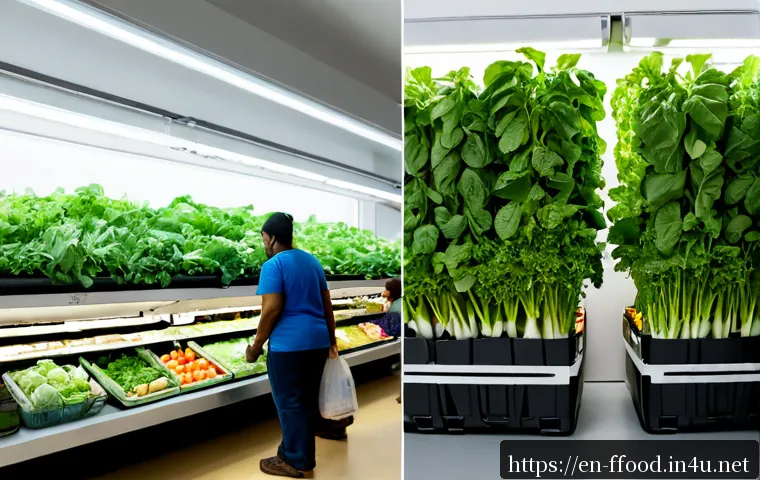
For farms and food businesses, resilient planning is less about choosing one “best” technology and more about matching investments to local climate, infrastructure, and market conditions.
Households can benefit from practical budgeting, nutrition-focused purchasing, and reducing avoidable food waste. Higher-cost options such as irrigation, cold storage, insurance, and climate-risk tools may be worth comparing when a single disruption could create major losses.
The right choice depends on local weather exposure, crop type, supplier concentration, available water, and ongoing maintenance capacity.
At a Glance
- Food security depends on availability, access, utilization, and stability over time.
- Heat, drought, floods, changing rainfall, and pest pressures can affect farms as well as storage, transport, and retail.
- Resilience works best when water, soil, suppliers, storage, and continuity plans are assessed together.
| Risk Area | Most Affected Group | Lower-Cost Response | Higher-Investment Option | Decision Trigger |
|---|---|---|---|---|
| Water stress and heat | Farmers and growers | Water planning, soil health measures, crop diversification | Irrigation efficiency or protected growing | Repeated water shortages or unreliable rainfall |
| Storage and spoilage | Farmers, distributors, food businesses | Inventory planning and food-loss reduction | More resilient storage or cold storage | Frequent spoilage or temperature-sensitive products |
| Supply disruption | Food buyers and retailers | Alternative supplier planning | Supplier diversification and continuity services | Dependence on one supplier or route |
| Food price volatility | Households | Meal planning and reduced food waste | Not applicable in the same way; focus on budget resilience | Food costs limit access to nutritious choices |
The Short Answer: Why a Changing Climate Puts Food Systems Under Pressure
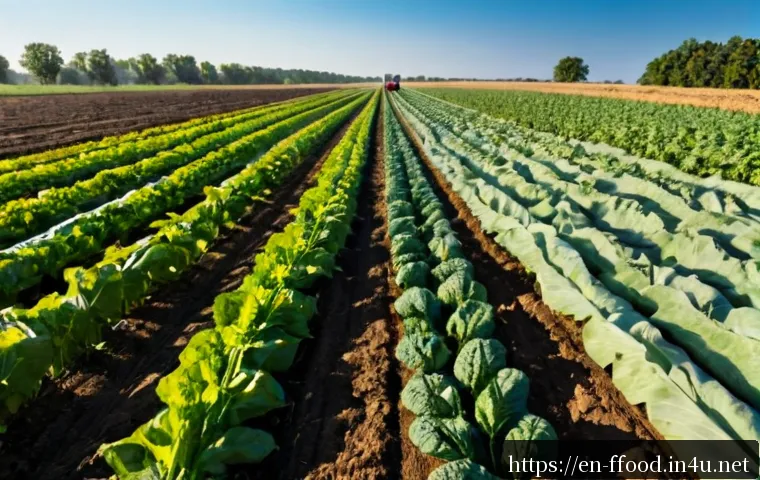
Climate change can make food production and delivery less predictable. It can affect crop yields through heat stress, changing rainfall patterns, droughts, floods, and shifting pest and disease pressures. The effects do not stop at the farm gate: extreme weather can also disrupt storage, processing, transport, and retail.
The key point is that food security is not only about whether food exists. It is also about whether people can afford it, use it for good nutrition, and count on stable access over time.
Food availability, affordability, nutrition, and stability
Availability concerns whether food can be produced and supplied. Access concerns whether households can obtain it within their budgets. Utilization includes the ability to use food in ways that support nutrition. Stability asks whether these conditions can hold over time rather than only during a favorable season.
A food system may have adequate supply in one area while households elsewhere still face affordability or transport barriers. That is why climate-risk management should not rely on one headline about harvests or prices.
Why one extreme-weather event can affect prices beyond the farm
A drought, flood, or severe heat event can interrupt more than crop production. It may affect roads, storage conditions, processing schedules, and delivery routes. For food businesses, the commercial question is often not simply “Will supply stop?” but “Which product, supplier, route, or facility has the least backup?”
Price changes and shortages cannot be predicted precisely for every country, region, or season. Still, mapping operational dependencies can reveal where a disruption would be most difficult to absorb.
Where the Biggest Risks Appear Across the Food System
Farm production: heat, water stress, floods, pests, and disease
Farmers may face higher production uncertainty as temperatures rise and water conditions change. Heat can stress crops, drought can limit water availability, and floods can damage fields or delay farming activity. Changing conditions may also shift pest and disease pressures.
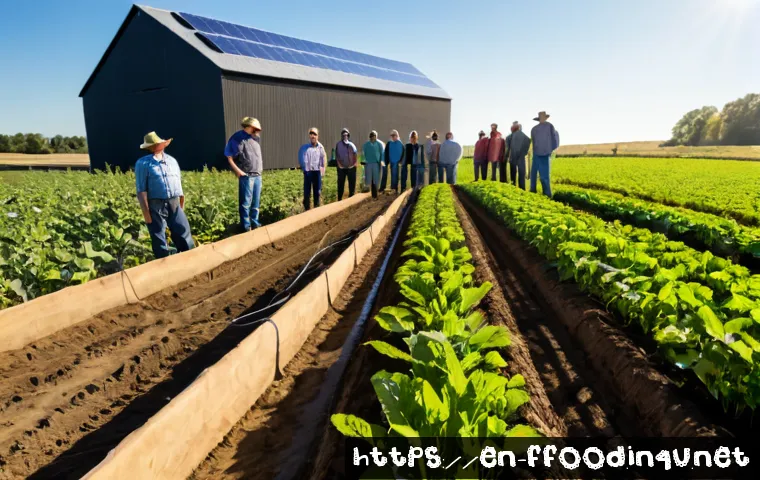
Local fit matters. A practice that suits one crop, soil type, or water source may not suit another. Before paying for farm technology or sustainable agriculture services, compare the local climate risk, water access, soil conditions, crop needs, operating skills, and maintenance requirements.
Storage, transport, processing, and retail disruption
Food can be lost after harvest when storage, transport, processing, or retail systems are disrupted. Resilient storage systems and better planning may reduce exposure, particularly where products are perishable or logistics are vulnerable.
Businesses should examine temperature control, backup transport options, supplier concentration, inventory practices, and the time needed to resume operations after disruption. A more expensive solution is not automatically stronger if it cannot be maintained or used reliably.
Household budgets and access to nutritious food
Food price volatility can make nutritious food harder to access, especially for households with limited budgets. A practical household response is to focus on planned purchasing, sensible storage, and reducing avoidable waste rather than reacting only to short-term price signals.
Food security planning should protect nutrition where possible. Buying only the cheapest option may reduce immediate spending, but it may not support balanced meals or reliable household food use.
Comparing Resilience Options: Value, Cost, and Practical Fit
Lower-cost actions: reducing waste, diversifying suppliers, and improving planning
Lower-cost resilience actions often begin with better information and fewer avoidable losses. Farms can review water use, soil health measures, crop diversity, and seasonal planning. Food businesses can identify alternative suppliers, document key inputs, and improve inventory visibility. Households can plan meals and use food before it spoils.
These steps may not remove climate risk, but they can reduce dependence on one crop, one supplier, or one short-term purchasing decision.
Higher-investment options: irrigation, cold storage, forecasting tools, and protected growing
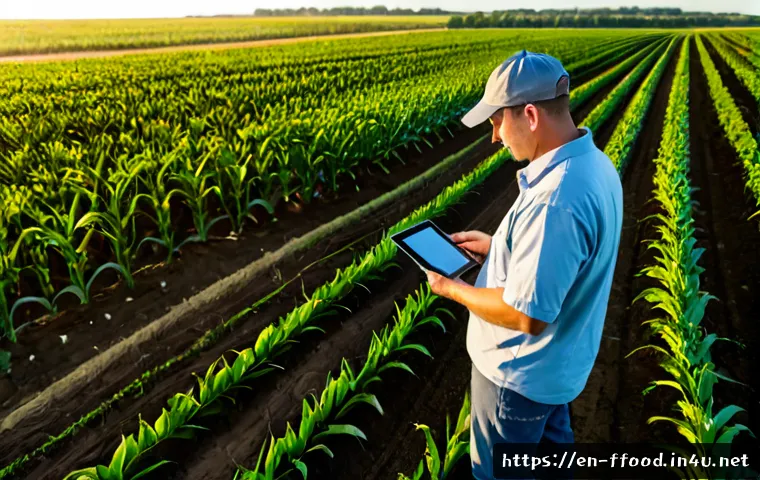
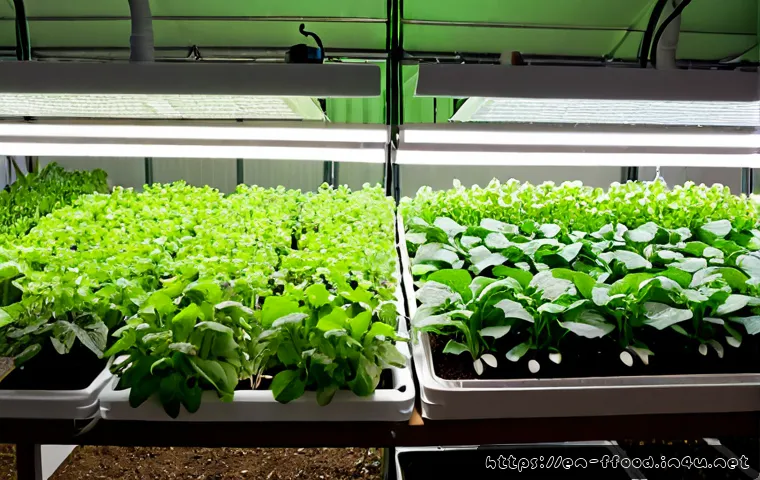
Higher-investment options can include irrigation efficiency, cold storage, weather information services, protected growing, and climate-risk assessment tools. Their value depends on the problem being solved. Cold storage may deserve attention where spoilage is a major exposure; irrigation may be more relevant where water management is the limiting factor.
Compare upfront cost with operating needs, energy or water requirements, training, repair access, and likely use across different conditions. A tool with a clear local purpose may be more useful than a broad solution with unclear ownership.
When climate-risk insurance or specialist advice may be worth considering
Climate-risk insurance or specialist business continuity advice may be worth considering when a weather-related disruption could create losses that are difficult to absorb. Review the scope, conditions, exclusions, documentation requirements, and whether the coverage aligns with the actual risk.

Insurance does not replace prevention. It should be considered alongside water planning, resilient sourcing, storage protection, and operational backup plans.
Practical Steps for Farms, Food Businesses, and Communities
Assess the most likely climate and supply-chain disruptions
Start with a short list of likely disruptions: heat, drought, flood, water stress, pest pressure, spoilage, transport delays, or supplier failure. Then ask which one would cause the greatest effect on food availability, cost, or continuity.
Build buffers for water, inventory, logistics, and alternative suppliers
Useful buffers may include improved water management, resilient storage, practical inventory levels, alternative delivery routes, and qualified backup suppliers. The goal is not to prepare for every possible event. It is to avoid a single point of failure.
Avoid common mistakes in resilience planning
Common mistakes include relying on one crop, one supplier, one transport route, or one season’s price signal. Another mistake is purchasing equipment without confirming local suitability, maintenance capacity, and who will operate it. Resilience planning should be reviewed as conditions, suppliers, and weather exposure change.
Different Priorities for Households, Producers, and Food Buyers
Households: nutrition, budgeting, and reducing food waste
Households can prioritize nutritious staples, meal planning, correct storage, and using food already purchased. These actions can improve resource efficiency and reduce pressure on the household food budget.
Farmers: soil, water, crop diversity, and market access
Farmers can assess soil health, water availability, crop diversification, weather information, storage needs, and market access. The appropriate mix depends on local climate, crop type, infrastructure, and financial capacity.
Food businesses: sourcing standards, contract resilience, and continuity planning
Food businesses should examine resilient sourcing, supplier standards, contract flexibility, storage exposure, logistics dependencies, and continuity planning. Ask suppliers how they manage water, weather disruption, storage, and alternative routes rather than evaluating price alone.
Selection Criteria and Comparison Summary
Before choosing a climate-risk assessment, farm technology provider, storage system, insurance policy, or resilient sourcing option, check these points:
- Risk match: Does it address the actual climate or supply-chain exposure?
- Local fit: Is it suitable for local water, soil, crop, infrastructure, and market conditions?
- Operating burden: Who will maintain, monitor, and use it?
- Backup value: Does it reduce dependence on one supplier, route, crop, or facility?
- Terms and limits: For insurance and services, what conditions, exclusions, and responsibilities apply?
Compare official product details, service terms, maintenance requirements, and sourcing standards on the relevant provider pages before making a purchase decision.
Final Thoughts
Climate change and food security are connected through farms, supply chains, household budgets, and nutrition. The strongest response is usually practical: identify the most important weakness, reduce waste, create a backup, and invest where disruption would be hardest to manage. No single technology or sourcing approach is right for every location. A resilient food system is built through repeated, locally informed decisions.
Useful Things to Know
1. Food loss and waste reduction can improve resource efficiency.
2. Supplier diversification can matter as much as production technology.
3. Weather information services may support planning, but they do not remove uncertainty.
4. Storage and transport resilience are important parts of food security, not secondary details.
Important Considerations
The severity and timing of future weather events cannot be known precisely. Food-price effects, harvest outcomes, and financial returns from resilience investments vary by region, season, infrastructure, household income, crop type, and local policy conditions. Review local data and the full terms of any commercial service, insurance product, or technology before deciding.
Frequently Asked Questions
Q1. How does climate change affect food security for households?
A1. It can affect food availability, affordability, nutrition, and stability. Extreme weather may disrupt production and supply chains, while food price volatility can reduce access to nutritious food for households with limited budgets.
Q2. Which climate-resilience investments are most useful for small farms and food businesses?
A2. The most useful option depends on the main local risk. Improved water management, soil health measures, crop diversification, weather information services, resilient storage, supplier diversification, and continuity planning may all be relevant. Compare local fit, maintenance needs, and the specific disruption being addressed.
Q3. Is paying more for local or climate-resilient food sourcing always the best option?
A3. Not always. Local sourcing or climate-resilient sourcing may reduce certain risks, but the best choice depends on supplier reliability, transport, storage, product needs, pricing, and available alternatives. Avoid judging resilience by distance or price alone.