Feeding a growing population will require higher productivity and lower food loss, not simply more farmland. The most useful agricultural investment is usually the one that addresses a farm’s real constraint first, whether that is water, labor, input decisions, storage, or operational visibility.
With the global population projected to reach roughly 9.7 billion by 2050, food systems face added pressure from urbanization, changing diets, climate variability, and limited resources.
Precision agriculture platforms, irrigation systems, storage upgrades, and farm-management software can all help, but they do not fit every crop, region, or budget.
The right comparison should include total ownership cost, local service availability, staff capacity, and measurable field outcomes. A phased approach is often more practical than purchasing a large technology package before the operational problem is clear.
At a Glance
- Feeding more people depends on producing efficiently, protecting resources, and reducing food loss, not only expanding farmland.
- Precision agriculture, irrigation upgrades, storage, and farm-management software solve different problems and should be compared by local conditions.
- The best investment decision starts with the farm’s limiting factor: water, labor, field variability, post-harvest handling, or missing operational data.
| Investment Area | Best Fit | Main Cost Drivers | Key Operating Requirement | Primary Risk |
|---|---|---|---|---|
| Precision agriculture tools | Fields with variable soil, crop condition, or input needs | Sensors, imagery, software subscriptions, equipment compatibility, training | Reliable data collection and staff who can act on recommendations | Collecting data without a clear decision process |
| Irrigation and water monitoring | Operations constrained by water availability or uneven water application | Installation, repairs, monitoring tools, infrastructure condition | Water source knowledge, maintenance planning, field monitoring | Upgrading equipment without addressing system leaks or scheduling practices |
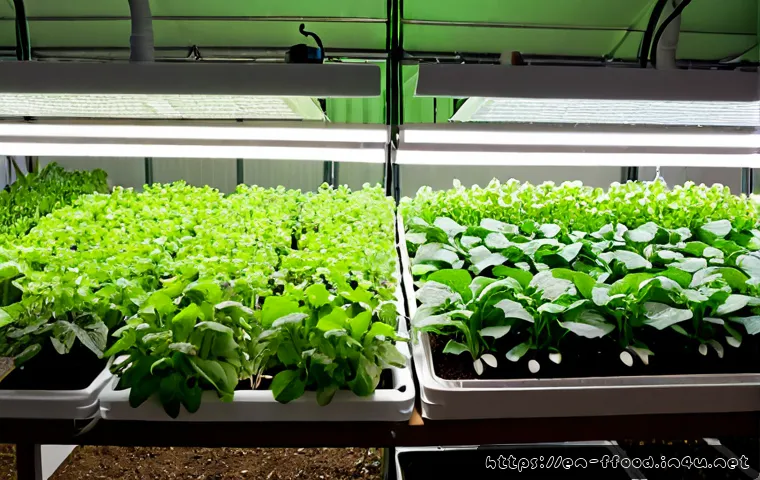
| Protected growing systems | High-value crops where climate exposure or season control is a major concern | Structure, climate controls, energy, labor, maintenance | Daily management and a dependable production plan | Underestimating operating complexity |
| Storage and cold-chain capacity | Businesses losing value after harvest or during transport | Facilities, cooling, handling equipment, energy, logistics | Consistent handling procedures and buyer coordination | Building capacity that does not match product flow |
| Farm-management software | Operations needing better records for inputs, labor, equipment, or procurement | Subscription terms, setup, data migration, training | Routine recordkeeping and compatible systems | Low adoption across the team |
Why Population Growth Changes the Food Production Equation
More demand does not mean every farm needs the same solution
The global population is projected to reach roughly 9.7 billion by 2050. That creates more pressure on food production, but it does not mean every producer should respond by purchasing more machinery or expanding acreage. Arable land expansion is limited in many areas by soil degradation, water scarcity, environmental protection, and competing land uses.
A grain operation with limited labor may need a different solution than a vegetable producer facing post-harvest losses. A farm with uneven water access may gain more from irrigation monitoring than from a new equipment purchase. The practical question is not, “What is the newest farm technology?” It is, “What is currently preventing this operation from producing, handling, or selling food efficiently?”
The connected pressures of land, water, labor, climate, and distribution
Agriculture accounts for the majority of global freshwater withdrawals, making water efficiency central to the future of agriculture. Climate variability can also affect yields through heat stress, drought, floods, and shifting pest patterns. At the same time, labor availability, input management, storage capacity, and transport reliability can influence how much of a crop reaches consumers.
These pressures are connected. Better field decisions may reduce unnecessary input use. Better irrigation scheduling may support water management. Stronger storage and cold-chain capacity may reduce losses after harvest. Farm technology is most useful when it improves a decision that the business can actually make and maintain.
A simple three-part priority
Produce more efficiently. Use land, water, labor, and inputs with clearer field-level decisions.
Protect resources. Build systems that account for water constraints, soil condition, and climate variability.
Reduce losses. Improve storage, handling, traceability, and distribution so more food reaches buyers and consumers.
The Agricultural Strategies With the Strongest Practical Potential
Better seeds, soil management, and crop planning
Technology is not a substitute for agronomy. Crop planning, soil management, and appropriate seed selection remain the operational base for many farms. Before investing in complex tools, a farm should define its crop goals, identify recurring field constraints, and collect useful baseline information.
An agronomy consulting service may be valuable when the main issue is not missing equipment but uncertainty about soil, crop planning, pest patterns, or input timing. Advisory support should be assessed by local knowledge, communication style, and whether recommendations can be measured against the farm’s own conditions.
Precision agriculture for targeted input decisions
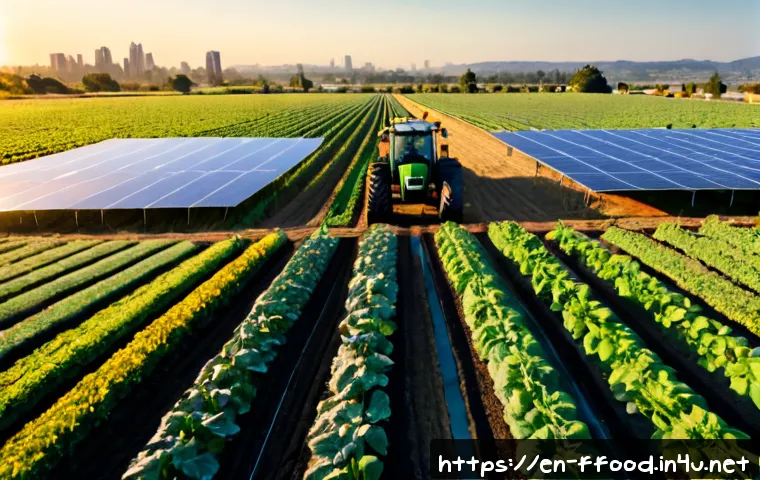
Precision agriculture can use field data, sensors, satellite imagery, and variable-rate applications to support input decisions. Its potential is not simply “more data.” Its value comes from using information to make a specific choice about fertilizer, water, seed, field scouting, or equipment activity.
A precision agriculture platform is more likely to fit when a business can identify field variability and has a workable method for responding to it. Ask whether the software can connect with existing equipment, whether data can be accessed clearly, and whether staff have time to review and act on the results. A dashboard that is rarely used can become an added cost rather than an operational improvement.
Efficient irrigation and water monitoring
Where water access is the main constraint, irrigation upgrades and water monitoring may deserve priority over additional machinery. A review should cover the condition of existing infrastructure, maintenance needs, water scheduling practices, and the ability to monitor field conditions over time.
The right irrigation system varies by crop, field layout, water source, and local rules. Do not assume that a larger or more automated system will automatically provide better economic results. Compare installation requirements, repair access, monitoring capability, and ongoing operating needs before making a commitment.
Storage, cold-chain capacity, and post-harvest loss reduction
Food demand can be addressed not only by growing more, but also by preventing avoidable losses. Post-harvest losses and food waste reduce the amount of food that reaches consumers without requiring more farmland. For growers, processors, and buyers, storage and cold-chain improvements may protect quality, improve handling consistency, and reduce pressure to sell quickly after harvest.
The most important starting point is to map where losses occur: harvest handling, sorting, storage, transport, or delivery. Capacity should match expected product flow. A storage investment that is too complex to operate or poorly matched to logistics may not solve the underlying problem.
Comparing Farm Investments: Value, Cost Drivers, and Fit
Upfront purchase versus leasing, subscriptions, and service contracts
Farm technology can be acquired through direct equipment purchases, agricultural equipment leasing, software subscriptions, or service contracts. Each option changes how costs and responsibilities are managed. A purchase may create greater long-term responsibility for repair and maintenance. A subscription may reduce initial spending but add recurring commitments. A service contract can provide expertise, but its scope and support conditions need close review.
Compare the full operating picture rather than focusing only on the initial quote. Include installation, subscriptions, repairs, connectivity, training, integration work, maintenance, and data management. If equipment or software depends on outside support, confirm whether that support is realistically available in the farm’s region.
Measuring value beyond yield
Yield matters, but it is not the only useful measure. An investment may also affect water use, fertilizer decisions, labor time, crop quality, equipment downtime, recordkeeping, and post-harvest waste. The relevant measures should be chosen before implementation, using the farm’s existing records where possible.
For example, an irrigation tool may be evaluated through water-monitoring consistency and operational decision-making, not only harvest output. Farm-management software may be judged by whether it improves input records, labor coordination, or equipment planning. The goal is to identify a measurable operational outcome, not to assume a return because a tool is widely marketed.
Implementation Risks That Can Reduce Returns
Buying equipment before defining the operational problem
A common mistake is starting with a product category instead of a business constraint. “We need drones,” “we need sensors,” or “we need new machinery” is not yet an investment case. A stronger starting point is a clearly stated problem, such as uneven irrigation, delayed scouting, difficult labor coordination, or product loss during storage.

Once the problem is defined, compare solutions that may include equipment, software, advisory services, maintenance improvements, or process changes. In some cases, a smaller upgrade or better operating routine may be more useful than a major capital purchase.
Ignoring training, repair access, connectivity, and data ownership
Precision tools and farm-management platforms depend on people and systems, not only hardware. Before signing an agreement, check local repair access, internet or mobile connectivity, training options, compatibility with current equipment, and the terms governing farm data.
Ask who can access the data, how it can be exported, and what happens if a subscription ends. These questions are especially important when multiple systems must work together. Interoperability can matter as much as the individual features shown in a product demonstration.
Treating pilot results as guaranteed outcomes across all fields or seasons
A pilot can reveal whether a tool fits the operation, but it does not guarantee identical results in every field or season. Weather, crop conditions, labor changes, input availability, and management practices can all affect outcomes. Keep the pilot focused, document the starting conditions, and review results with realistic expectations.
What Different Farm and Food Businesses Should Prioritize
Small and mid-sized farms: start with the most constrained input
Small and mid-sized farms may benefit from starting with one clearly defined bottleneck. If water is the main limitation, evaluate irrigation and monitoring first. If labor records are inconsistent, farm-management software or a simpler recordkeeping process may be more relevant. If product quality declines after harvest, storage and handling may be the better priority.
A narrow project can make training easier and reduce the risk of paying for features that will not be used. Agricultural equipment leasing or a limited service arrangement may be worth comparing when a full purchase would create too much maintenance or financial pressure.
Larger operations: integrate equipment, data, labor, and procurement systems
Larger operations often have more systems to coordinate. The challenge is not just selecting one precision agriculture tool; it is connecting field data, equipment activity, labor planning, procurement, and management reporting. Before adding another platform, identify where information is duplicated, delayed, or inaccessible.
Integration should be planned around daily workflows. A tool that works in isolation may add administrative burden. Confirm compatibility and assign responsibility for reviewing data, maintaining devices, and acting on findings.
Food buyers and processors: improve traceability, storage, and supplier support
Food buyers and processors can contribute to resilience by strengthening traceability, storage, and supplier communication. Better visibility into product movement and handling may help identify points where loss or quality decline occurs. Supplier support can also be more valuable when it focuses on practical constraints, such as storage procedures, data collection, or water-management needs.
Selection Criteria and Comparison Summary
Before choosing a farm technology provider, irrigation system, equipment lease, software plan, or agronomy consulting service, use a short decision checklist:
- Match the tool to the limiting factor: Is the main problem water, labor, field variability, storage, or records?
- Compare total ownership cost: Include installation, subscriptions, repairs, maintenance, training, and data management.
- Check local support: Confirm repair access, implementation assistance, and the availability of practical training.
- Review compatibility: Determine whether the solution works with current equipment, connectivity, and recordkeeping systems.
- Define measurable field outcomes: Decide what will be tracked before the investment begins.
- Use a phased pilot: Test the workflow before expanding it across fields, facilities, or supplier networks.
Compare total ownership cost, local support, compatibility, and measurable field outcomes before selecting a solution. For product specifications, service terms, and current contract conditions, review the official provider information directly.
Closing Thoughts
The future of agriculture is not defined by one machine, platform, or growing method. Population growth increases the need for resilient food systems, but each operation faces a different combination of land, water, climate, labor, and distribution constraints. Investments are most practical when they improve a real operating decision and can be supported over time. Better productivity and lower waste should be treated as connected goals.
Useful Points to Keep in Mind
1. Precision agriculture is most useful when data leads to a clear field action.
2. Water monitoring and irrigation upgrades may deserve priority where water is the main constraint.
3. Storage and cold-chain planning can improve food availability by reducing post-harvest losses.
4. Leasing, subscriptions, and service contracts should be compared alongside direct purchase options.
5. Training, repair access, connectivity, and data ownership are part of the investment decision.
Important Considerations
No single technology is proven to provide the best return for every farm or region. Equipment, software, irrigation, and consulting costs vary by market, scale, existing infrastructure, and contract terms. Future commodity prices, climate policy, labor availability, water rules, and weather conditions can also affect local farm economics. Confirm technical fit, total cost, and operating requirements for your own situation before committing resources.
Frequently Asked Questions
Q1. What agricultural technologies are most useful for feeding a growing population?
A1. Useful options include precision agriculture tools, irrigation monitoring, storage and cold-chain improvements, farm-management software, and advisory services. The best fit depends on the operation’s main constraint. A farm dealing with water pressure may prioritize irrigation, while a business losing product after harvest may focus on storage and handling.
Q2. Is precision agriculture worth the cost for small and mid-sized farms?
A2. It may be useful when it supports a specific decision about inputs, irrigation, field scouting, or labor. However, whether it offsets implementation, training, maintenance, and data-management costs depends on the individual farm. Small and mid-sized farms should compare total ownership cost, connectivity needs, local support, and the ability to measure results before scaling.
Q3. Should a farm prioritize irrigation upgrades, new equipment, or farm-management software first?
A3. Start with the factor that most limits the operation. If water access or irrigation consistency is the central issue, review irrigation and water monitoring. If records, labor coordination, or input tracking are weak, farm-management software may be more relevant. If field operations are constrained by equipment capability, compare machinery options, leasing terms, maintenance needs, and compatibility with existing systems.