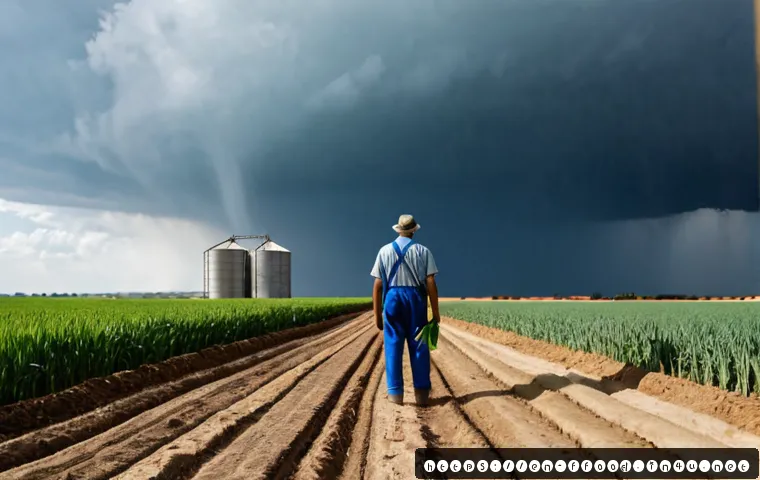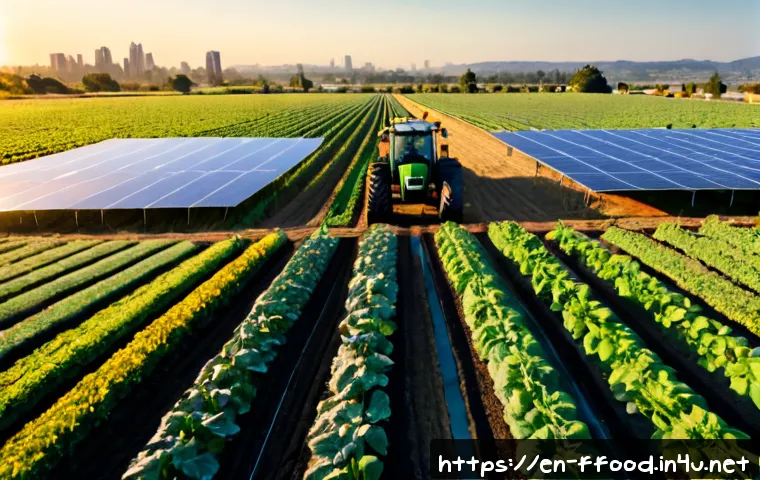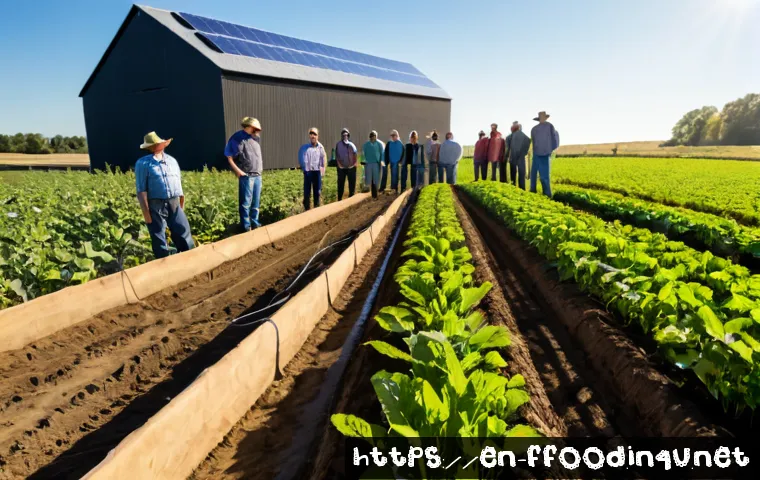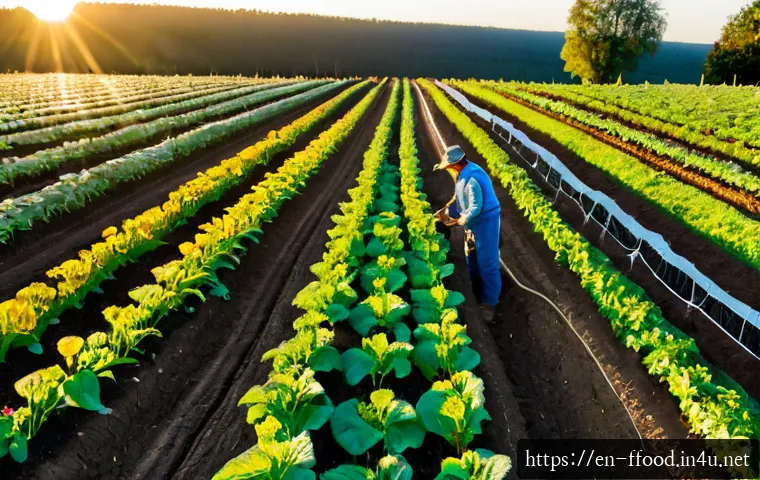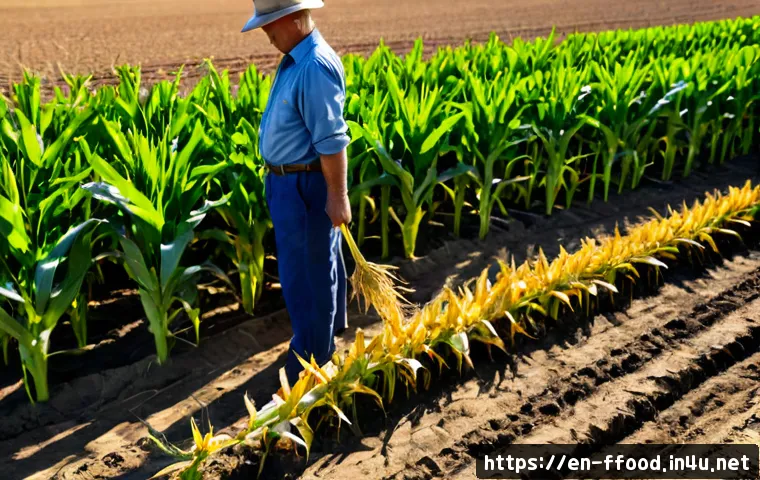
Climate change is becoming a practical farm planning issue because heat, irregular rainfall, extreme events, and shifting pest pressure can disrupt production and raise operating uncertainty.
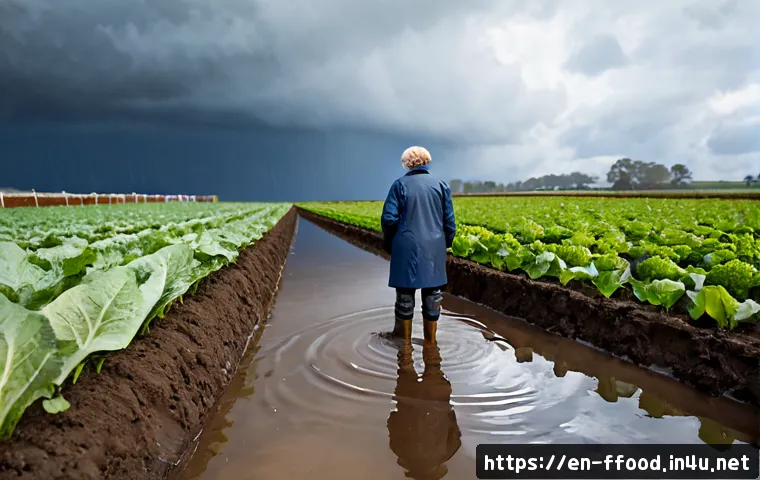
The most useful response is usually not one new product, but a farm-specific plan that protects soil, manages water, and reduces exposure to income shocks.
For many operations, low-cost monitoring and recordkeeping are sensible starting points before considering irrigation systems, sensors, drainage work, or protected growing structures.
The right choice depends on the crop or livestock system, soil, local water access, labor capacity, and maintenance capability. Climate-resilient farm services, crop insurance, and farm management software may support better decisions, but none can guarantee a return.
Compare total ownership costs and local requirements before committing capital.
At a Glance
- Heat, rainfall variability, and extreme weather can affect crop timing, livestock productivity, field access, and input planning.
- Soil protection, water management, and better records are core response areas for many farms.
- Major equipment purchases should follow a review of water supply, soil conditions, permits, energy use, and maintenance capacity.
| Adaptation Option | Best Use Case | Typical Cost Category | Ongoing Effort | Key Question Before Choosing |
|---|---|---|---|---|
| Planting adjustments and field monitoring | Changing weather windows and uncertain crop timing | Lower | Regular observation and recordkeeping | Which fields and growth stages are most exposed? |
| Soil cover and soil-management practices | Erosion, moisture loss, and heavy-rainfall damage | Lower to mid-range | Seasonal planning and field management | How will the practice fit the crop rotation and equipment? |
| Sensors, farm management software, and climate-data tools | Improving irrigation, labor, and input decisions | Mid-range | Training and routine data review | Who will use the data and act on it? |
| Drainage, water storage, or precision tools | Recurring water-management problems | Mid-range | Maintenance and seasonal checks | Does the design match the field and water source? |
| Irrigation modernization or protected growing | High exposure to water or weather stress where capacity allows | Higher | Repairs, energy, labor, and system management | Are water access and total operating costs sustainable? |
The Short Answer: Climate Risk Is Becoming a Farm Planning and Cost-Management Issue
Climate change affects agriculture through conditions that farms already manage every season: heat, rainfall, water availability, field conditions, pests, and timing. The difference is that weather volatility can make those decisions less predictable. A planting window may be harder to rely on, a field may be too wet to access, or a hot period may arrive during a sensitive crop or livestock production stage.
How Heat, Water Variability, and Extreme Events Affect Daily Farm Operations
Heat stress can affect crop development and livestock productivity, particularly during sensitive growth or production periods. Changing rainfall patterns can create two opposite problems: water shortages in one period and flood-related field damage in another. These conditions can influence irrigation demand, labor scheduling, harvest access, feed planning, and transport timing.
Why the Same Weather Event Can Create Different Outcomes Across Farms
A dry spell or intense rainfall event does not produce the same result everywhere. Crop type, soil structure, field drainage, water access, and management practices all matter. Two farms in the same area may face very different operational pressure if one has a reliable water source, better drainage, or more flexibility in its crop schedule.
Three Priorities: Protect Soil, Manage Water, and Reduce Income Volatility
Most resilience planning can begin with three questions. First, how well does the soil retain moisture and resist erosion? Second, where does the farm get water, and what limits apply? Third, how exposed is the business to a disrupted season? Crop insurance and careful documentation may be relevant for managing income volatility, but coverage terms and eligibility require direct review.
Where Climate Pressure Shows Up First: Yields, Inputs, Livestock, and Supply Chains
Heat Stress and Crop Growth Timing
Heat can change the pace of crop development and add pressure during sensitive periods. The specific yield effect cannot be assumed without local agronomic assessment, but the planning issue is clear: field observations and timely decisions become more important when conditions shift quickly.
Drought, Intense Rainfall, Erosion, and Irrigation Demand
Drought can increase the need for careful water allocation. Intense rainfall can damage fields, increase erosion risk, and delay machinery access. Before comparing irrigation systems or drainage solutions, examine the water source, soil condition, field layout, energy requirements, and maintenance needs. Buying equipment before checking those basics is a common planning mistake.
Pests, Diseases, Weeds, and Changing Treatment Needs
Pest, weed, and disease pressures may shift as temperature and moisture conditions change. That does not mean every new issue requires a new treatment program. Start with field scouting, accurate records, and local guidance on what is actually present. This helps avoid unnecessary input purchases while improving response timing.
Higher Planning Uncertainty for Labor, Feed, Fertilizer, and Transport
Weather volatility can make labor schedules, feed availability, fertilizer timing, and transport planning less predictable. Farm management software may help organize field records, work plans, and cost tracking, but it only adds value when the farm has a practical process for entering and reviewing information.
Comparing Resilience Investments by Cost, Fit, and Expected Value
Lower-Cost Changes: Planting Schedules, Monitoring, Soil Cover, and Recordkeeping
Lower-cost changes can include reviewing planting and harvest schedules, monitoring field conditions more closely, using soil cover practices where suitable, and keeping better weather-loss records. These steps do not promise higher yields, but they can make decision-making more disciplined. They also create a stronger evidence base before larger investments are considered.
Mid-Range Investments: Sensors, Drainage Improvements, Water Storage, and Precision Tools
Sensors, drainage improvements, water storage, and precision tools may fit farms with recurring water or timing problems. Compare not only purchase cost, but also installation, training, repairs, data access, labor demands, and seasonal maintenance. A tool that produces more information than the team can use may add complexity without solving the key risk.
Higher-Cost Projects: Irrigation Modernization, Protected Growing, and Farm Infrastructure
Higher-cost projects can include irrigation modernization, protected growing systems, and infrastructure improvements. These decisions may require vendor quotes, financing review, engineering input, or local permitting checks. A positive return on investment cannot be assumed because future weather, water restrictions, operating costs, and farm conditions remain uncertain.
Questions to Ask When Comparing Vendors, Consultants, and Service Contracts
Ask what problem the product or service is designed to solve. Request clarity on service scope, installation responsibilities, maintenance requirements, training, repair response, and recurring fees. For irrigation systems, ask how the design accounts for the actual water source and field conditions. For crop insurance, review coverage language, exclusions, reporting duties, and claims procedures directly with the provider.
Practical Planning Steps and Mistakes to Avoid
Start With Field-Level Risk Mapping Rather Than a Generic Solution
Map where problems occur first: fields that dry quickly, areas that hold water, locations with erosion exposure, or livestock areas affected by heat. A field-level view helps separate urgent risks from attractive but less relevant technology purchases.
Check Water Availability, Permits, Energy Use, and Maintenance Before Purchasing Equipment
An irrigation upgrade is not only an equipment decision. It may involve water availability, local restrictions, permits, pumping needs, energy use, filtration, repairs, and operator time. Confirm these items before signing a contract or comparing financing options.
Avoid Treating One Unusually Severe Season as a Complete Long-Term Forecast
A difficult season is important information, but it is not a complete forecast. Use several seasons of farm records where available, and combine them with local agronomic or water-management advice when making large capital decisions.
Document Weather Losses and Operational Costs for Insurance and Budgeting Reviews
Keep organized notes on weather events, field conditions, delayed work, damaged areas, additional labor, and input changes. These records can support internal budgeting reviews and may be useful when discussing crop insurance or farm resilience services. They do not guarantee coverage or payment.
Adaptation Priorities by Farm Situation
Rain-Fed Crop Farms Facing Irregular Rainfall
Rain-fed farms may prioritize soil moisture management, erosion reduction, field monitoring, and flexible operational timing. Before investing in water infrastructure, assess whether a dependable and permitted water source is available.
Irrigated Farms Facing Water Constraints and Energy Costs
Irrigated farms may focus on water-use decisions, system maintenance, energy demands, and scheduling. Compare irrigation systems on total ownership cost rather than headline equipment features alone. Water availability and restrictions can change the suitability of any upgrade.
Livestock Operations Managing Heat Stress and Feed Disruption
Livestock operations may need contingency planning for heat periods and feed disruption. The operational focus is often on monitoring conditions, maintaining reliable routines, and identifying where weather affects animal productivity or feed logistics. Specific management choices should fit the production system and local advice.
Small and Medium-Sized Farms Balancing Resilience With Limited Capital
Smaller operations may benefit from sequencing decisions: start with risk mapping, monitoring, maintenance, and records before considering capital-intensive projects. A smaller, well-matched improvement can be more manageable than a large system that creates new labor, repair, or financing pressure.
Selection Criteria and Comparison Summary
Use these checks before choosing a climate-resilience investment:
- Define the main farm risk: heat, water shortage, flooding, erosion, pests, or scheduling disruption.
- Compare total cost of ownership, including installation, energy, repairs, subscriptions, labor, and training.
- Confirm water supply, field conditions, permits, and maintenance capacity before selecting irrigation or drainage equipment.
- Ask whether farm management software or climate-data tools will produce information the team can realistically use.
- Compare service scope, maintenance requirements, and total ownership costs across vendors, consultants, and service contracts.
- For crop insurance, review the official policy details and reporting requirements before relying on coverage.
For equipment or advisory services, check the provider’s official details for specifications, maintenance obligations, and contract conditions.
In Closing
Climate risk is not separate from farm management; it affects ordinary choices about timing, water, labor, inputs, and capital spending. The strongest starting point is a clear view of the farm’s specific exposure rather than a one-size-fits-all solution. Low-cost operational changes may help build that view before larger projects are considered. Where decisions involve water systems, insurance, or major infrastructure, local professional input can be worth considering.
Useful Information to Keep in Mind
Keep records. Documenting weather conditions, field impacts, and operating changes improves future planning.
Check capacity. A new system requires time for maintenance, training, and routine operation.
Compare the full package. Equipment price alone does not show repair, energy, software, or labor requirements.
Important Notes
This is general guidance only. Climate-related effects vary substantially by crop, soil type, location, water access, and management practices. Exact yield, income, cost, insurance, and return-on-investment outcomes cannot be predicted here. Confirm local water rules, insurance coverage, incentives, crop suitability, and technical requirements with qualified local sources before making a major decision.
Frequently Asked Questions
Q1. What are the biggest ways climate change affects farm profitability?
A1. Climate pressure can affect profitability through heat stress, water shortages, flood-related field damage, shifting pest or disease pressure, and less predictable scheduling for labor, inputs, harvesting, and transport. The actual impact differs by farm and cannot be assumed from general conditions alone.
Q2. Which climate adaptation investments are most practical for small and medium-sized farms?
A2. Practical options often begin with lower-cost changes such as better monitoring, recordkeeping, soil management, and reviewing operational timing. The next step depends on the farm’s main risk, available capital, labor capacity, and whether maintenance can be handled over time.
Q3. Is upgrading irrigation worth the cost when drought risk is increasing?
A3. It may be worth evaluating, but it is not automatically the right choice. Review water availability, local restrictions, field conditions, energy use, installation needs, maintenance requirements, and total ownership costs. A local irrigation designer or farm advisor can help assess whether the system fits the operation.