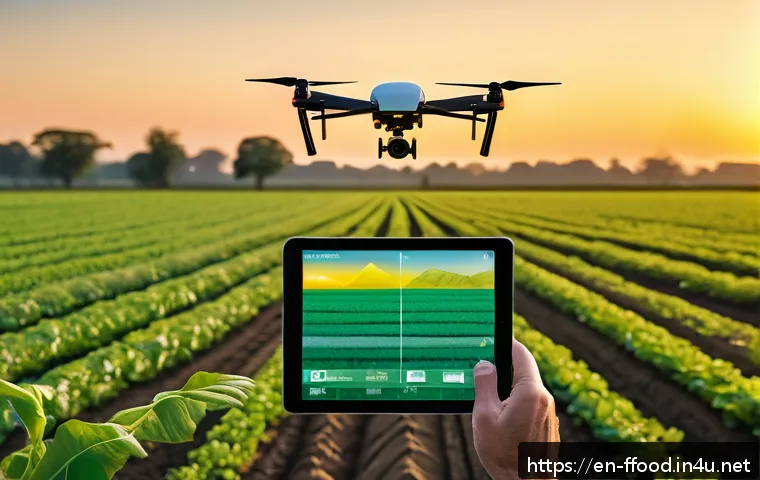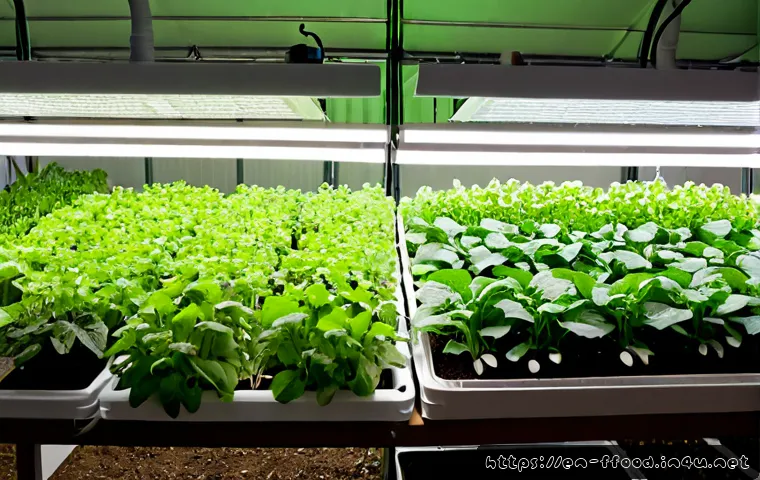
Controlled cultivation is worth the added cost when reliable harvest timing, space efficiency, and close control over water, nutrients, and climate matter more than low infrastructure needs.
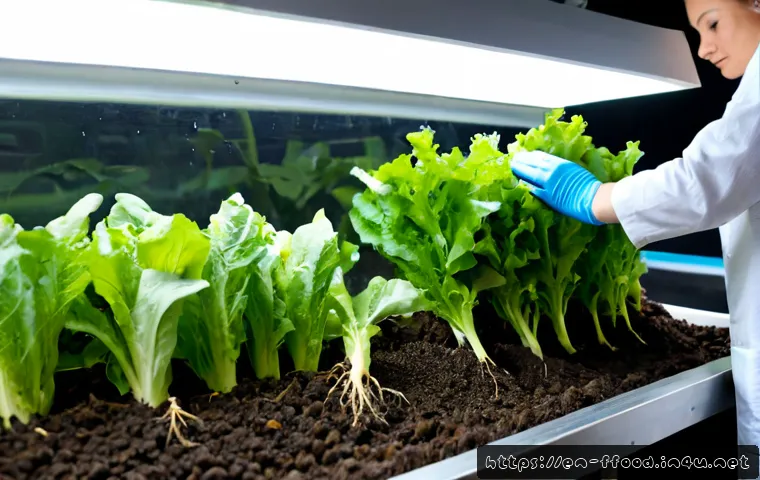
Traditional soil or field growing is often the better fit when suitable land, seasonal production, and simpler operating requirements are the priority.
For this comparison, “lab-grown” means controlled-environment crop production such as indoor growing, hydroponic systems, vertical farms, and greenhouse operations—not laboratory-produced food.
The right choice depends on the crop, local climate, utility costs, labor capacity, buyer expectations, and the grower’s ability to manage equipment. Neither method automatically delivers better food quality, lower environmental impact, or stronger profitability.
A practical comparison should look beyond harvest weight and include crop cycles, usable growing area, electricity, maintenance, spoilage, and market value.
At a Glance
- Controlled cultivation offers more predictable growing conditions but usually requires more equipment, monitoring, and ongoing energy management.
- Traditional cultivation can reduce infrastructure needs and may suit land-based, seasonal crops, but weather and field conditions have a larger influence.
- The best option depends on crop value, available space, local demand, operating capacity, and the full cost of production.
| Decision Factor | Controlled Cultivation | Traditional Soil or Field Growing |
|---|---|---|
| Initial setup | May require greenhouse equipment, hydroponic systems, lighting, irrigation controls, sensors, racks, or climate systems. | May require land preparation, soil improvements, irrigation, tools, and seasonal protection. |
| Recurring costs | Often includes electricity, nutrients, water treatment, maintenance, replacement parts, and skilled labor. | Often includes labor, irrigation, soil inputs, machinery, weather-related losses, and seasonal planning. |
| Growing control | Higher control over light, temperature, water, nutrient delivery, and timing. | More reliance on weather, soil conditions, daylight, and local pest pressure. |
| Scalability | Can be expanded through modular bays, racks, automation, or additional controlled space. | Can expand through land access, equipment capacity, irrigation, and labor availability. |
| Best-fit buyers | Home growers with limited space, specialty producers, restaurants, local supply programs, and buyers needing consistent timing. | Growers with suitable land, seasonal crop plans, broader acreage needs, or crops that perform well outdoors. |
The Core Difference: Control, Environment, and Production Goals
A Three-Line Summary
Controlled cultivation improves consistency because the grower can manage more of the crop environment. Traditional growing can reduce infrastructure and energy demands by using natural daylight, soil, and outdoor conditions. The practical question is not which method is universally better, but which production system matches the crop and the business goal.
What “Lab-Grown” Cultivation Usually Means in Crop Production
In crop production, “lab-grown” is often used loosely. Here, it refers to growing methods that place plants in a managed environment, including indoor farms, vertical growing setups, hydroponic systems, tissue-culture propagation, and greenhouse production. These approaches may use growing media instead of field soil, nutrient solutions, artificial lighting, climate controls, sensors, and automated irrigation.
The level of control varies. A basic greenhouse may mainly protect crops from weather, while a fully indoor system may manage lighting schedules, temperature, humidity, nutrient delivery, and water circulation. More control can support predictable planning, but it also creates more systems that must be monitored and maintained.
Why Soil-Based and Field Cultivation Still Fits Many Growers
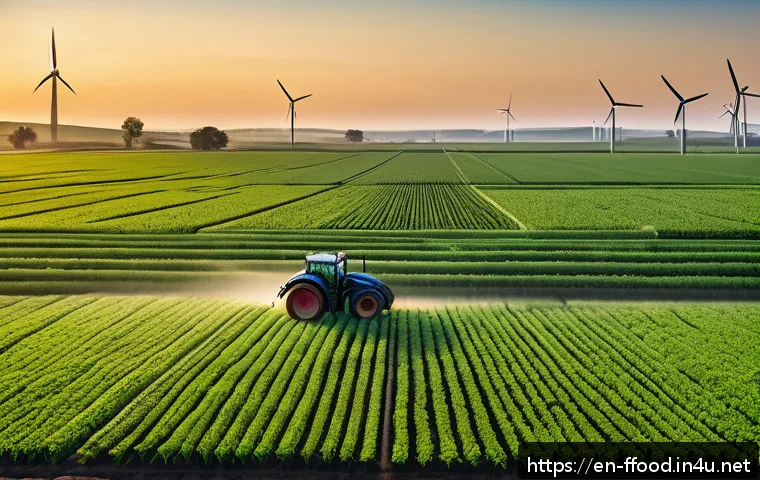
Traditional cultivation remains practical for many crops and many locations. When land is available and local conditions suit the crop, outdoor or soil-based production may avoid the need for intensive lighting, climate equipment, and enclosed-facility maintenance. It can also be easier to build around seasonal workflows and established farm practices.
However, field production is not automatically simple. Soil health, irrigation, pests, rainfall, temperature swings, labor, and harvest timing all require planning. A lower equipment requirement does not eliminate operational risk; it shifts the risk toward conditions outside the grower’s direct control.
Comparing Setup Costs, Operating Costs, and Crop Value
Upfront Needs: Land, Structures, Lighting, Irrigation, Sensors, and Growing Media
A controlled-environment plan can involve a greenhouse structure, hydroponic channels or containers, pumps, water storage, filtration, lighting, ventilation, climate equipment, growing racks, monitoring devices, and backup planning. The exact equipment depends on the crop and the level of environmental control desired.
Traditional systems may place more emphasis on land access, drainage, soil preparation, irrigation lines, field tools, storage, and harvest equipment. Before comparing quotes, list every component needed to bring crops from planting through harvest. A low equipment quote may not include installation, controls, replacement parts, or the labor needed to operate the system.
Recurring Expenses: Electricity, Water, Nutrients, Labor, Maintenance, and Seasonal Risk
Indoor and highly controlled systems often make electricity and maintenance important planning items. Lighting, pumps, ventilation, heating, cooling, and monitoring equipment can all affect ongoing operating costs. Hydroponic systems also require regular attention to water quality, nutrient management, cleaning, and equipment performance.
Traditional production may have lower dependence on indoor electricity, but it can face expenses tied to irrigation, field labor, soil inputs, machinery, crop protection, and weather disruptions. Compare recurring expenses over a full production cycle rather than focusing only on the purchase price of greenhouse equipment or hydroponic systems.
When Higher Production Consistency May Justify a Higher-Cost System
A higher-cost growing system may make sense when the buyer values steady availability, predictable harvest timing, local supply, or consistent crop specifications. This can matter for food businesses that need dependable delivery planning or growers serving repeat customers.
It is less compelling when the crop has limited selling value, demand is uncertain, or the facility will be underused. Before investing in automation or full climate control, ask whether the crop can support the operating complexity. Consistency has value only when someone is willing to pay for it or when it reduces a meaningful business risk.
Yield, Quality Control, and Environmental Trade-Offs
Climate Control, Pest Exposure, and Predictable Harvest Timing
Controlled cultivation can reduce exposure to certain outdoor conditions and allow closer management of the growing environment. This may help a grower plan harvest windows more consistently. It does not remove all production risks. Equipment failures, sanitation gaps, water issues, disease pressure, and poor environmental settings can still affect crops.
Outdoor and soil-based systems are more exposed to local weather and seasonal change. In return, they may use natural sunlight and open growing space effectively when the crop and climate are well matched. A realistic comparison should identify which risks are being reduced and which new risks are being added.
Water Management, Nutrient Monitoring, and Waste Considerations
Hydroponic systems can provide close control over nutrient delivery and water use, but they require active monitoring. Water management includes checking system cleanliness, flow, storage, nutrient balance, and any signs of equipment problems. A system that is not maintained properly can waste inputs or interrupt production.
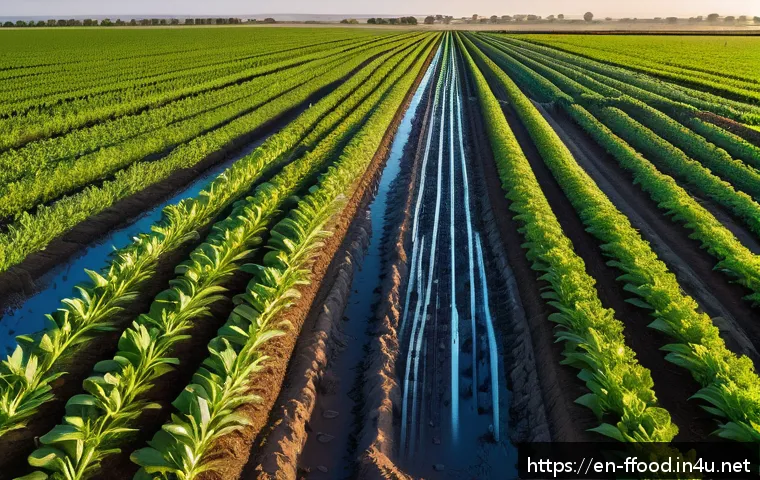
Field systems also require careful water planning. Irrigation design, soil drainage, rainfall patterns, and local availability can shape crop performance. Broad claims that one system is always more sustainable than another are not reliable without examining the crop, facility design, climate, energy source, local water conditions, and waste handling.
Why Crop Type and Local Conditions Matter More Than Broad Claims
Some crops are easier to grow in compact, closely managed systems because they can be harvested frequently, sold fresh, or produced near customers. Other crops may be better aligned with open land, seasonal cycles, or conventional field equipment. The crop’s growth habit, market value, storage needs, and harvest requirements should guide the decision.
Do not choose a production method based only on a trend label. Start with the crop, the buyer, the available space, and the operating limits. Then determine whether controlled-environment agriculture provides a useful advantage.
Practical Planning Mistakes to Avoid Before Choosing a Method
Ignoring Energy and Maintenance Requirements for Indoor Systems
Indoor systems should be evaluated as operating systems, not just as equipment purchases. Lighting, pumps, fans, climate controls, sensors, and water equipment need routine attention. Review utility assumptions, replacement schedules, cleaning procedures, and who will respond if a key component stops working.

Choosing Crops With Low Selling Value for a High-Cost Facility
A sophisticated growing facility does not automatically create a profitable crop. If the market does not reward freshness, consistency, local availability, or specialized production, added infrastructure may be difficult to justify. Match the level of greenhouse planning or hydroponic investment to the realistic value of the crop and the customer relationship.
Comparing Harvest Weight Without Measuring Usable Space and Crop Cycles
Harvest weight alone can be misleading. Compare the usable growing area, number of crop cycles, losses, labor time, required inputs, and saleable product. A system can look productive on paper while using substantial space, energy, or labor to reach that output.
For food-business buyers, also consider handling, storage, delivery timing, and spoilage. A consistent local harvest may be useful only if it reaches the customer in a condition they can use.
Which Approach Fits Home Growers, Small Farms, and Commercial Buyers?
Home Use: Convenience, Available Space, and Learning Curve
For home growers, the decision often begins with space and daily attention. A small hydroponic setup or compact greenhouse can be useful for learning and for growing in limited areas. Start with a system you can inspect regularly and clean easily rather than buying more automation than you can manage.
Small Businesses: Reliable Supply, Local Demand, and Operational Capacity
Small growers may benefit from controlled production when local buyers want steady supply and the operation can support regular monitoring. A greenhouse can offer a middle path between full indoor production and open-field farming. It may provide protection and a longer growing window without requiring every feature of a fully indoor facility.
Before expanding, confirm local demand, delivery expectations, crop specifications, and the labor required to keep quality consistent. Reliable production is valuable only when sales channels are equally reliable.
Larger Operations: Automation, Distribution Requirements, and Capital Planning
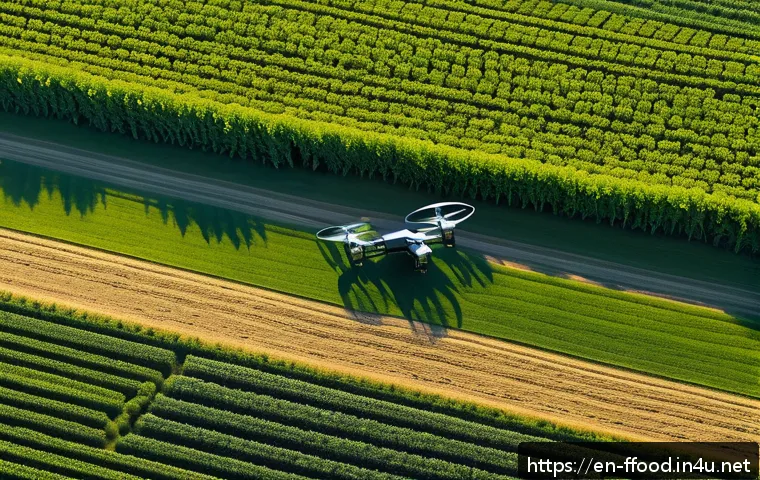
Larger operations may evaluate automation, environmental sensors, irrigation controls, and centralized monitoring to support repeatable processes. These tools can improve oversight, but they should be selected around actual workflow needs rather than installed simply because they are available.
Commercial planning should include distribution, maintenance capability, staffing, facility downtime, and capital planning. A controlled growing system is part of a broader supply operation, not a standalone answer to production challenges.
Selection Criteria and Comparison Summary
Choose Controlled Cultivation When Consistency, Space Efficiency, and Year-Round Output Are Priorities
Controlled cultivation may fit when you need closer control over production timing, have limited growing space, want to evaluate hydroponic systems, or serve customers who value dependable local supply. Review whether greenhouse equipment, lighting, and monitoring tools solve a specific production problem rather than simply adding complexity.
Choose Traditional Cultivation When Land Access, Crop Suitability, and Lower Infrastructure Needs Matter Most
Traditional growing may fit when the crop performs well in local outdoor conditions, land is available, and seasonal production is acceptable. It can also be a sensible choice when the buyer does not require tightly controlled harvest timing or when energy-intensive equipment would not match the crop’s selling value.
Final Checklist for Comparing Equipment Quotes, Operating Assumptions, and Crop-Market Fit
Before choosing a system, check the following:
- Does the crop need year-round output, or is seasonal production acceptable?
- Have you compared full operating needs, including electricity, water, nutrients, labor, maintenance, and replacement parts?
- Is a greenhouse enough, or does the crop truly require hydroponics, supplemental lighting, or full indoor climate control?
- Can the available team monitor irrigation, water quality, sensors, cleaning, and equipment issues consistently?
- Does the expected customer or market value justify the added infrastructure?
- Have you compared usable growing area, crop cycles, saleable output, and spoilage rather than harvest weight alone?
When reviewing greenhouse, hydroponic, lighting, or monitoring-system options, check the official product details and operating requirements on the relevant supplier page before making a purchase decision.
Final Thoughts
Lab-grown and traditional cultivation are best viewed as different production tools, not opposing categories. Controlled systems can support consistency and close environmental management, while traditional methods can make effective use of land, local conditions, and natural seasonal cycles. The stronger decision comes from matching the crop and buyer needs to the system’s real operating demands. Start with a small, measurable plan whenever possible, then expand based on production records and market fit.
Useful Things to Know
Greenhouses are not the same as fully indoor farms. A greenhouse may offer useful protection and partial environmental control without relying on every component used in an enclosed vertical farm.
Hydroponics is a growing method, not a guaranteed outcome. It can provide precise nutrient and water management, but it still depends on good system design and routine care.
Monitoring equipment supports decisions. Sensors and automation can improve visibility, but they do not replace regular inspection, maintenance, and crop knowledge.
Important Considerations
Actual costs, yields, energy use, and profitability vary by crop, climate, facility design, utility rates, labor, local regulations, and buyer requirements. “Lab-grown cultivation” can describe several different methods, so confirm the specific system being compared. Neither controlled cultivation nor traditional farming automatically produces safer, more nutritious, or more sustainable food in every situation.
Frequently Asked Questions
Q1. Is lab-grown cultivation more expensive than traditional farming?
A1. It can be more expensive because controlled systems may require structures, lighting, irrigation controls, sensors, nutrient management, electricity, and maintenance. Traditional production may have lower infrastructure needs but can still involve land, irrigation, labor, machinery, and weather-related risk. Compare the complete production plan rather than one upfront price.
Q2. Which crops are most suitable for indoor or controlled-environment growing?
A2. Crops that benefit from consistent timing, compact growing space, close quality control, or nearby delivery may be worth evaluating for controlled environments. Suitability still depends on crop value, growth cycle, equipment needs, local demand, and the grower’s operating capacity.
Q3. Should a small farm invest in a greenhouse or hydroponic system before expanding field production?
A3. It depends on the farm’s target buyers and production goals. A greenhouse or hydroponic system may be useful when dependable supply and closer environmental control matter. If the crop is well suited to local field conditions and seasonal production meets customer needs, field expansion may be the more practical starting point.