As the world faces mounting challenges in food security and environmental conservation, automated agriculture systems are emerging as game-changers in farming.
These cutting-edge technologies not only promise higher crop yields but also pave the way for more sustainable farming practices. From precision irrigation to AI-driven monitoring, the future of agriculture is becoming smarter and greener.
If you’ve ever wondered how technology is transforming the fields we rely on, you’re in the right place. Let’s explore how these innovations are reshaping farming and what it means for farmers and consumers alike.
Stay with me to uncover the exciting potential behind this agricultural revolution.
Revolutionizing Crop Management Through Smart Technologies
Precision Irrigation: Saving Water, Boosting Yields
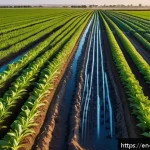
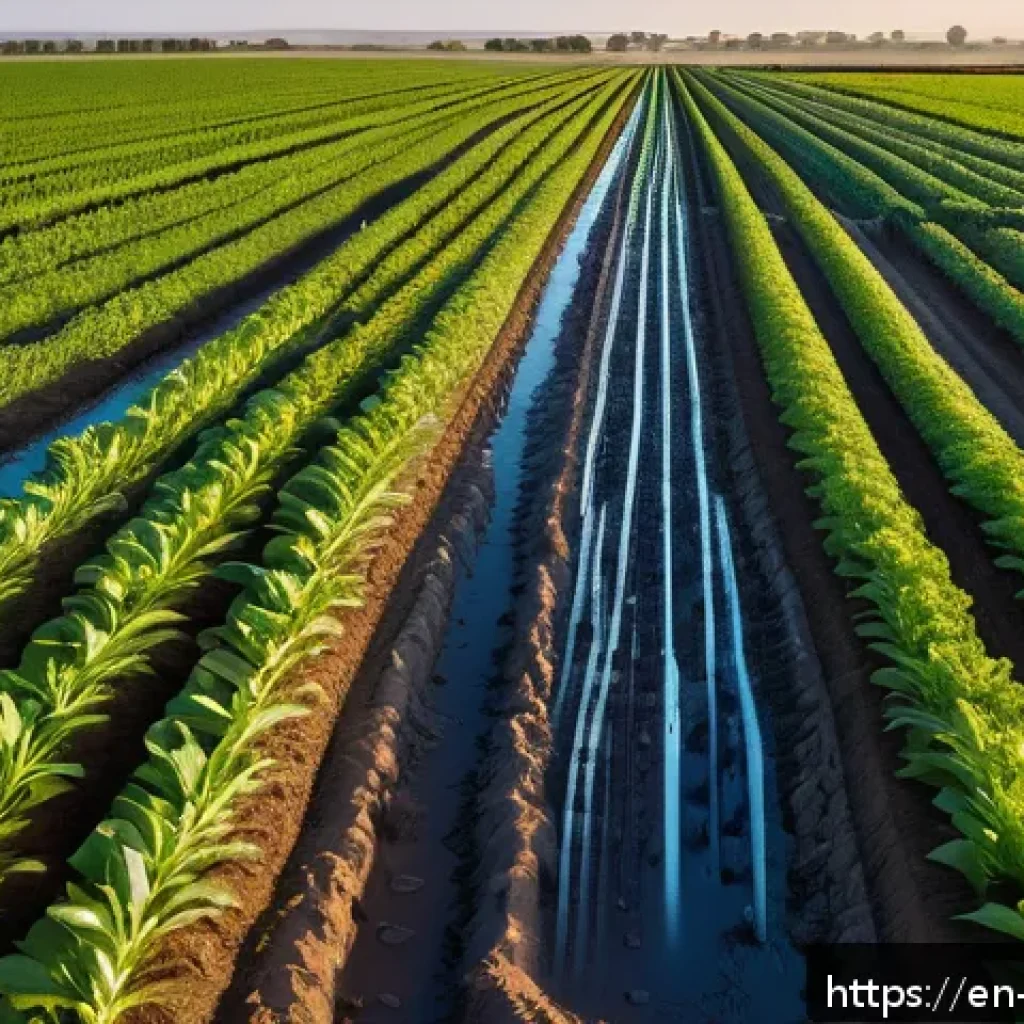
The beauty of precision irrigation lies in its ability to deliver just the right amount of water exactly where and when crops need it. Traditional irrigation methods often lead to water wastage or under-watering, but with smart sensors and automated valves, farmers can optimize water usage to an impressive degree.
From my experience visiting farms equipped with these systems, the difference is striking — fields that once struggled with uneven growth now flourish uniformly.
These systems not only reduce water bills but also help conserve precious water resources, which is crucial in drought-prone regions. The feedback loops, powered by soil moisture sensors and weather forecasts, make it feel like the crops are communicating their thirst directly to the system.
AI-Powered Crop Monitoring: Eyes That Never Blink
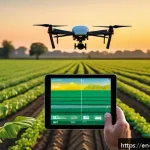
Imagine having a team of experts inspecting every inch of your field 24/7—that’s what AI-driven monitoring offers. Equipped with drones, cameras, and machine learning algorithms, these systems detect early signs of disease, pest infestations, or nutrient deficiencies far faster than the human eye.
I recall a farmer sharing how a drone’s early detection of a fungal outbreak saved an entire season’s worth of crops. This proactive approach means interventions happen swiftly, minimizing chemical use and enhancing crop health.
Beyond just spotting problems, AI models predict growth stages and yield estimates, helping farmers plan harvests and market timing with greater confidence.
Automated Soil Analysis and Fertilization
Soil health is the backbone of farming, yet manual soil testing is time-consuming and often delayed. Automated soil analysis systems now provide real-time data on pH levels, nutrient content, and moisture, enabling precision fertilization.
During a demonstration I attended, a farmer explained how this technology allowed him to cut fertilizer use by nearly 30%, translating into significant cost savings and reduced environmental impact.
Automated fertilizer applicators then distribute nutrients exactly where needed, avoiding over-fertilization that can damage ecosystems. This seamless integration of sensing and delivery is a game-changer for sustainable crop nutrition.
Integrating Robotics to Streamline Farm Labor
Autonomous Tractors and Harvesters
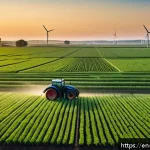
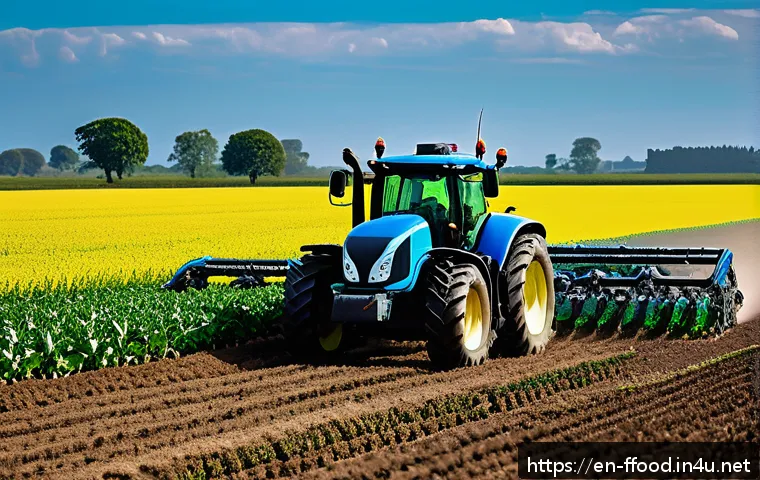
One of the most impressive shifts I’ve witnessed is the rise of driverless tractors and harvesters. These machines follow GPS-guided paths with incredible precision, performing tasks like plowing, planting, and harvesting without human intervention.
Farmers who have adopted these robots often mention the relief from labor shortages and the ability to operate around the clock, which is especially valuable during critical planting or harvest windows.
The precision also means less soil compaction and more uniform seed placement, which improves overall crop health and yield.
Robotic Weed Control: Less Herbicide, More Efficiency
Weeding has always been a labor-intensive chore, but now robots equipped with computer vision can distinguish weeds from crops and remove them mechanically or with targeted herbicide applications.
I’ve seen videos where these robots work tirelessly through fields, dramatically cutting down on chemical use and manual labor hours. This precision weed control not only reduces costs but also helps prevent herbicide resistance—a growing concern among farmers worldwide.
Automated Greenhouse Systems
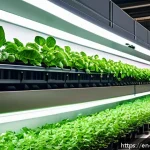
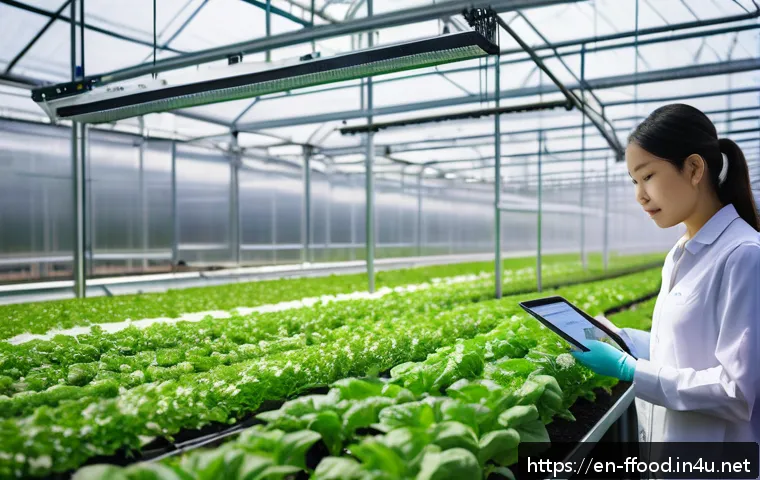
Greenhouses are becoming high-tech hubs with fully automated climate control, lighting, and irrigation systems. These environments optimize growing conditions, extending growing seasons and improving crop quality.
A friend who manages a greenhouse told me how automation has allowed her to scale production while maintaining consistent quality, something that was nearly impossible with manual management.
These systems adjust humidity, temperature, and CO2 levels based on real-time sensor data, creating a perfect microclimate for plants to thrive.
Data-Driven Decision Making: Turning Information into Action
Farm Management Software Platforms
Farmers today are using sophisticated software platforms that consolidate data from various sources—weather stations, machinery, sensors—to provide actionable insights.
These tools help track everything from planting schedules to input usage and financial performance. I know a farmer who credits his recent profitability jump to these platforms, which helped him identify inefficiencies and better predict market demands.
The ability to visualize trends and simulate scenarios empowers farmers to make smarter, data-backed decisions every day.
Predictive Analytics for Market and Climate Risks
Predictive analytics is transforming risk management in agriculture. Using historical data and machine learning, these tools forecast weather events, pest outbreaks, and even commodity prices.
This gives farmers a critical edge in planning their activities and marketing strategies. I recall a case where a grower adjusted his planting dates based on a predictive model that anticipated an early frost, saving a significant portion of his crop.
Such insights reduce uncertainty and improve resilience against unpredictable conditions.
Real-Time Supply Chain Monitoring
Beyond the field, technology also optimizes how produce reaches consumers. Real-time tracking of shipments via IoT devices ensures freshness and reduces spoilage.
A distributor I spoke with emphasized how this transparency builds trust with retailers and end consumers, who demand high-quality, traceable food products.
This connectivity streamlines logistics, cuts costs, and enhances the overall efficiency of the agricultural supply chain.
Environmental Benefits and Sustainability Gains
Reducing Carbon Footprint with Smart Farming
Automated agriculture isn’t just about productivity; it’s also a crucial tool for reducing the environmental impact of farming. By optimizing input use—water, fertilizers, pesticides—these technologies minimize greenhouse gas emissions and soil degradation.
During a sustainability workshop, experts highlighted how precision agriculture could cut emissions by up to 20% compared to conventional methods. For farmers, this means aligning with global climate goals while maintaining profitability.
Enhancing Biodiversity Through Reduced Chemical Use
Less reliance on broad-spectrum chemicals thanks to AI and robotics supports healthier ecosystems. I’ve personally seen fields where integrated pest management combined with automation has led to a noticeable rebound in beneficial insects and soil organisms.
This biodiversity boost improves natural pest control and soil fertility, creating a virtuous cycle of sustainable farming.
Water Conservation and Soil Preservation
Water scarcity is a growing threat worldwide, and smart irrigation systems are pivotal in tackling this challenge. Automated technologies monitor soil moisture levels and weather forecasts to prevent over-irrigation, thus preserving water supplies.
Additionally, precision farming techniques reduce soil erosion and maintain organic matter by avoiding unnecessary tillage. These environmental benefits contribute not only to the farm’s long-term viability but also to the health of surrounding communities.
Economic Impact and Farmer Empowerment
Lowering Operational Costs Through Automation
While the initial investment in automated systems can be substantial, many farmers find that the reduction in labor costs and input waste quickly offsets expenses.
I remember talking to a mid-sized farm owner who shared how automation cut his fuel and fertilizer bills by nearly 25%. This cost efficiency improves margins and provides a buffer against volatile commodity prices, making farming more financially stable.
Bridging the Labor Gap with Technology
Labor shortages have plagued agriculture for years, especially during peak seasons. Automated machinery and AI-driven processes fill this gap effectively, allowing farms to maintain or even increase production levels without over-relying on seasonal workers.
From what I’ve gathered in conversations with growers, this shift also reduces stress and workload, improving overall farm management and worker safety.
Access to New Markets and Premium Pricing
Technology-enabled traceability and quality control open doors to premium markets that demand sustainably produced, high-quality food. Farmers can command better prices by proving their practices meet stringent standards.
I’ve seen small-scale producers leverage these tools to build strong brand reputations and direct-to-consumer sales channels, significantly boosting income.
| Technology | Main Benefit | Impact on Sustainability | Farmer Experience |
|---|---|---|---|
| Precision Irrigation | Optimizes water use | Reduces water waste, conserves resources | Lower water bills, healthier crops |
| AI Crop Monitoring | Early problem detection | Minimizes chemical use | Faster intervention, improved yields |
| Autonomous Machinery | Labor savings, precision tasks | Less soil compaction, efficient fieldwork | Relieves labor shortages, 24/7 operation |
| Robotic Weed Control | Selective weed removal | Reduces herbicide use | Lower labor, sustainable pest control |
| Farm Management Software | Data-driven decisions | Efficient input usage | Improved profitability, risk management |
Future Prospects and Challenges to Overcome
Scaling Technology for Smallholder Farmers
One challenge is ensuring these innovations reach small and medium-sized farms, which make up a large portion of global agriculture. Affordable, user-friendly solutions are key to broad adoption.
I’ve seen pilot programs that bundle low-cost sensors with mobile apps, empowering smallholders with data they couldn’t access before. However, digital literacy and infrastructure remain hurdles in many rural areas.
Balancing Automation and Traditional Knowledge
While technology provides incredible tools, it’s important not to lose the valuable traditional knowledge farmers have accumulated over generations. The best outcomes come when automation complements human expertise rather than replaces it.
Farmers I know often blend tech insights with hands-on intuition, creating a hybrid approach that feels both modern and deeply rooted.
Addressing Data Privacy and Ownership
As farms become more connected, questions arise about who owns and controls agricultural data. Farmers want to protect their information from misuse while benefiting from data-driven services.
Industry leaders are beginning to address these concerns through transparent policies and farmer-centric platforms, but this area will need ongoing attention as technology evolves.
Closing Thoughts
Smart technologies are transforming agriculture by improving efficiency, sustainability, and profitability. From precision irrigation to AI-driven monitoring, these innovations empower farmers to make informed decisions and optimize resources. While challenges remain, the integration of technology with traditional farming knowledge offers a promising path forward. Embracing these advancements can help secure a resilient and productive future for global agriculture.
Helpful Information to Know
1. Precision irrigation systems save water by delivering moisture exactly where crops need it, reducing waste and lowering costs.
2. AI-powered crop monitoring detects problems early, allowing timely interventions that improve yields and reduce chemical use.
3. Autonomous machinery eases labor shortages and increases operational efficiency by performing tasks with high precision.
4. Data-driven farm management software consolidates information to support better planning, risk management, and profitability.
5. Sustainable practices enabled by technology help reduce environmental impact, conserve resources, and enhance biodiversity.
Key Takeaways
Integrating smart technology in farming boosts productivity while promoting environmental stewardship. These tools help optimize input use, reduce labor demands, and improve decision-making through real-time data and predictive analytics. Successful adoption depends on balancing automation with farmers’ expertise, ensuring accessibility for smallholders, and addressing data privacy concerns. Ultimately, technology-driven agriculture supports economic resilience and sustainable food production in a changing world.
Frequently Asked Questions (FAQ) 📖
Q: How do automated agriculture systems improve crop yields?
A: Automated agriculture systems enhance crop yields by enabling precise control over farming conditions. For instance, precision irrigation systems deliver water exactly where and when plants need it, reducing waste and promoting healthier growth.
AI-driven monitoring tools can detect early signs of disease or pest infestations, allowing farmers to take swift action before problems spread. From my own experience, farms using these technologies report not just higher yields but also better quality produce, which ultimately benefits both growers and consumers.
Q: Are these smart farming technologies accessible to small-scale farmers?
A: While it’s true that some advanced automated systems can be costly upfront, many solutions are becoming more affordable and scalable for small-scale farmers.
There are compact drones, smartphone apps for crop monitoring, and cost-effective sensors that don’t require heavy investment. Plus, some governments and organizations offer subsidies or training programs to help smaller farms adopt these innovations.
In practice, I’ve seen smallholders successfully use AI-driven weather forecasts and soil sensors to optimize planting schedules, proving that technology isn’t just for large industrial farms anymore.
Q: What environmental benefits do automated agriculture systems offer?
A: Automated agriculture contributes significantly to environmental conservation by reducing resource waste and minimizing chemical use. Precision farming means water, fertilizers, and pesticides are applied only as needed, which lessens runoff and soil degradation.
Additionally, AI-powered data analysis helps farmers choose crop varieties better suited to local conditions, improving resilience and reducing the need for harmful interventions.
From what I’ve observed, farms integrating these technologies tend to have healthier ecosystems and lower carbon footprints, making smart farming a key player in sustainable agriculture’s future.