In a world facing climate challenges and a growing population, securing our food supply has never been more urgent. Recently, innovations in agricultural technology have sparked a quiet revolution, transforming how we grow and manage crops.
From precision farming to AI-driven analytics, these advancements promise to boost yields while conserving resources. If you’ve ever wondered how science is shaping the future of food, you’re in the right place.
Let’s explore how cutting-edge technologies are not just ideas but practical solutions reshaping global agriculture for generations to come.
Revolutionizing Crop Management with Smart Technology
Harnessing Drones for Precision Monitoring
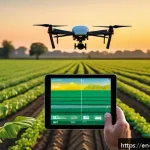
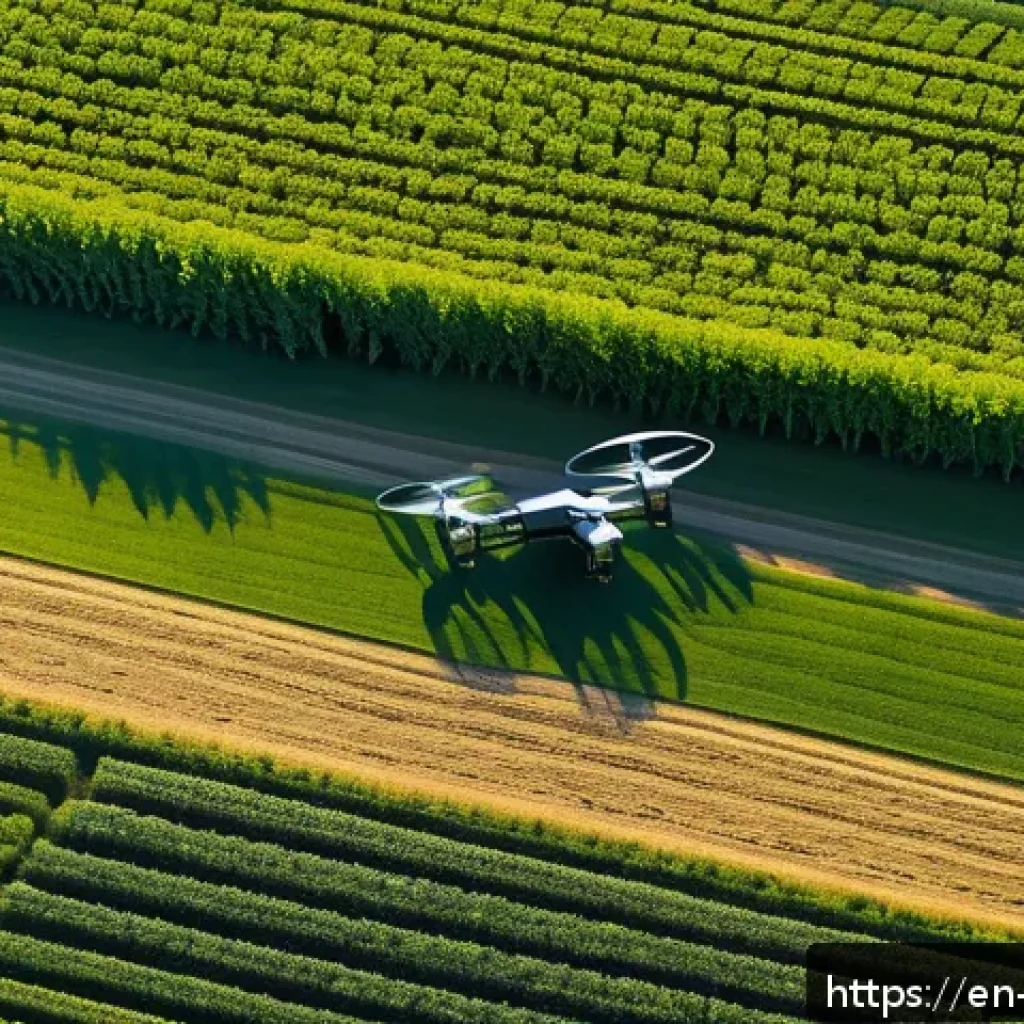
Drones have become an indispensable tool in modern agriculture, offering farmers a bird’s-eye view of their fields that was once unimaginable. These flying machines are equipped with multispectral cameras that can detect subtle changes in crop health, moisture levels, and pest infestations before they become visible to the naked eye.
From my experience visiting a farm using drones, the speed and accuracy of data collection have dramatically reduced guesswork. Instead of walking endless rows or relying solely on manual checks, farmers receive detailed maps highlighting exactly where attention is needed.
This targeted approach not only saves time but also reduces the use of pesticides and water, which benefits both the environment and the bottom line.
Automated Irrigation Systems for Water Efficiency
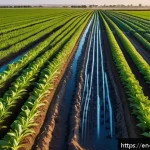
Water scarcity is a growing concern, making efficient irrigation more critical than ever. Smart irrigation systems equipped with soil moisture sensors and weather forecasting AI adjust water delivery in real-time.
I’ve seen such systems in action where irrigation schedules change dynamically based on rain predictions and soil dryness, eliminating overwatering. The result is healthier plants and significant water savings, sometimes up to 30% less than traditional methods.
These systems also send alerts to farmers’ smartphones, allowing them to monitor and control irrigation remotely, which is a game-changer for large-scale operations.
Data Analytics Driving Decision Making
Agricultural data analytics platforms collect and analyze vast amounts of information—from soil composition to weather patterns and crop growth rates.
By integrating this data, these platforms provide actionable insights that help farmers optimize planting schedules, fertilizer application, and harvest timing.
I personally found that adopting such technology led to a more proactive farming approach rather than reactive. For example, predicting disease outbreaks based on climatic trends helped prevent major crop losses, which was a huge relief for growers striving to meet market demands consistently.
Advancements in Genetic Crop Enhancement
CRISPR and Gene Editing Breakthroughs
Gene editing technologies like CRISPR have opened new horizons for developing crops that are more resilient to drought, pests, and diseases. Unlike traditional breeding, CRISPR enables precise modifications without introducing foreign DNA, which helps address public concerns around genetically modified organisms.
I remember reading about trials where edited wheat varieties showed increased tolerance to heat stress, which is crucial as global temperatures rise. These innovations promise to stabilize yields in unpredictable climates, ensuring food security even in harsher conditions.
Biofortification to Improve Nutritional Value
Another exciting application of genetic technology is biofortification—enhancing the nutritional content of staple crops. For instance, rice and maize varieties enriched with vitamins and minerals can help combat malnutrition in vulnerable populations.
I’ve come across projects where biofortified crops have been introduced in developing regions with promising results, improving health outcomes without altering traditional diets.
This approach complements other agricultural advances by focusing not just on quantity but on the quality of food produced.
Developing Climate-Resilient Varieties
The unpredictability of weather patterns demands crops that can thrive under stress. Scientists are using genetic tools to develop varieties that withstand drought, salinity, and flooding.
From personal conversations with agronomists, I learned that these efforts are increasingly integrated with field trials, ensuring that new varieties perform well in real-world conditions.
This practical validation is essential for farmer adoption and long-term sustainability of food systems.
Integrating Robotics for Labor Optimization
Autonomous Harvesting Machines
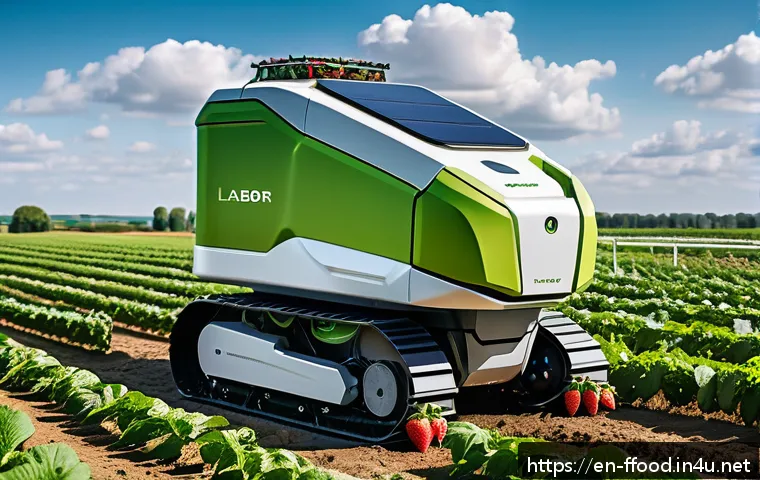
Labor shortages have long challenged the agricultural sector, especially during peak harvest seasons. Autonomous harvesting robots equipped with AI vision systems can identify ripe produce and pick it efficiently without damaging the crops.
During a demonstration I attended, these robots worked tirelessly through rows of strawberries, a delicate fruit that requires gentle handling. Their precision and speed not only reduce labor costs but also minimize post-harvest losses, which can be significant in manual picking.
Robotic Weed Control
Weed management is another labor-intensive task that robotics is transforming. Smart robots can navigate fields, distinguish weeds from crops, and mechanically remove or spray targeted herbicides with minimal chemical use.
I found it fascinating how these machines reduce the environmental impact while maintaining crop health. Farmers using robotic weeders reported cleaner fields and lower herbicide expenses, making this technology both eco-friendly and cost-effective.
Collaborative Robots and Human Workers
Rather than replacing farm workers, many robotic systems are designed to assist them, enhancing productivity and reducing physical strain. Collaborative robots, or “cobots,” work alongside humans on tasks such as sorting, packaging, or monitoring plant health.
From firsthand accounts, workers appreciate how cobots take over repetitive or heavy tasks, allowing them to focus on more skilled activities, which improves job satisfaction and operational efficiency.
Enhancing Soil Health through Technology
Real-Time Soil Nutrient Analysis
Soil is the foundation of agriculture, and maintaining its health is vital for sustained productivity. New sensor technologies enable farmers to analyze soil nutrient levels in real-time, facilitating precise fertilizer application.
I’ve seen farms where handheld devices provide instant readings of nitrogen, phosphorus, and potassium content, allowing for immediate corrective measures.
This precision reduces waste and environmental runoff, which are major concerns with conventional fertilization practices.
Microbial Solutions for Soil Regeneration
Harnessing beneficial microbes to improve soil fertility is gaining traction as a natural alternative to chemical inputs. Bioinoculants containing nitrogen-fixing bacteria or mycorrhizal fungi enhance nutrient uptake and soil structure.
I had the chance to observe a farm trial where microbial treatments increased crop vigor and yield while reducing fertilizer needs. This holistic approach supports long-term soil health and aligns well with sustainable farming goals.
Cover Cropping and Conservation Tillage Technologies
Technological advances have also improved the management of cover crops and conservation tillage, practices that protect soil from erosion and improve organic matter.
Modern seeders and planters can now interseed cover crops without disrupting cash crops, while GPS-guided machinery ensures minimal soil disturbance during tillage.
Farmers adopting these techniques report healthier soils, better moisture retention, and enhanced biodiversity, all of which contribute to resilient agroecosystems.
Key Agricultural Innovations Compared
| Technology | Main Benefit | Resource Savings | Typical Application | Challenges |
|---|---|---|---|---|
| Drones | Accurate crop monitoring | Reduced pesticide & water use | Health mapping, pest detection | High initial cost, regulatory limits |
| CRISPR Gene Editing | Crop resilience & nutrition | Less chemical input | Developing stress-tolerant varieties | Public acceptance, regulatory hurdles |
| Autonomous Robots | Labor cost reduction | Lower harvest losses | Harvesting, weeding, sorting | Technology complexity, maintenance |
| Smart Irrigation | Optimized water use | Up to 30% water savings | Soil moisture-based watering | Installation costs, tech literacy |
| Soil Sensors | Precision nutrient management | Less fertilizer runoff | Real-time soil analysis | Sensor durability, data interpretation |
Future Pathways in Sustainable Food Production
AI-Powered Predictive Farming
Artificial intelligence is stepping up as a vital player in forecasting crop yields, pest outbreaks, and optimal planting windows. The predictive power of AI models comes from analyzing massive datasets, including satellite imagery and weather trends.
I’ve followed farmers who use AI platforms to plan their entire season, enabling them to anticipate risks and seize opportunities. This proactive farming reduces waste and improves economic stability, which is critical for feeding a growing population.
Vertical Farming and Urban Agriculture
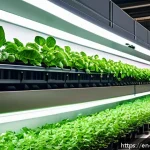
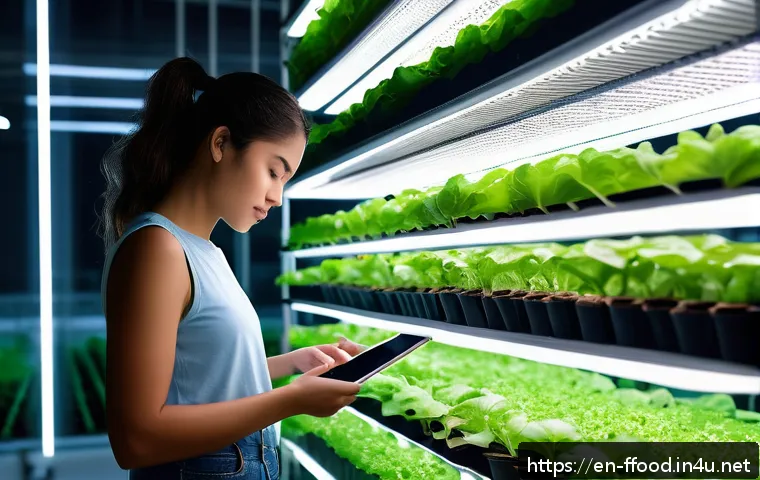
Urban farming innovations, especially vertical farming, offer promising solutions for local food production. These controlled environment systems use LED lighting and hydroponics or aeroponics to grow crops year-round, regardless of outdoor conditions.
I visited a vertical farm where leafy greens were harvested daily, with minimal water usage and no pesticides. This approach shortens supply chains and brings fresh produce closer to consumers, reducing transportation emissions and food spoilage.
Blockchain for Transparent Supply Chains
Blockchain technology is enhancing transparency and trust in agricultural supply chains. By recording every step—from seed to supermarket—on an immutable ledger, blockchain helps verify product origin, quality, and sustainability claims.
Farmers and consumers alike benefit from this traceability. From conversations with industry experts, I’ve learned that blockchain can also improve payment security for farmers, ensuring fair compensation and reducing fraud in global markets.
Empowering Farmers Through Education and Connectivity
Mobile Apps Delivering Real-Time Advice
Smartphone applications tailored for farmers have revolutionized access to information. These apps provide weather forecasts, pest alerts, market prices, and best practice guides, all in the palm of a farmer’s hand.
I’ve used several of these apps myself and found the instant updates invaluable, especially during unpredictable weather events. This democratization of knowledge empowers smallholders to make informed decisions and compete more effectively.
Online Communities and Knowledge Sharing
The rise of online farming communities has created platforms where growers exchange tips, troubleshoot problems, and share success stories. These peer networks are often more relatable and practical than formal extension services.
I’ve participated in such forums and found the real-world advice from fellow farmers to be incredibly helpful, especially when experimenting with new technologies or crop varieties.
Bridging the Digital Divide in Rural Areas
Despite advances, many rural farmers still face connectivity challenges that limit access to digital tools. Efforts to expand broadband infrastructure and provide affordable devices are crucial to ensuring that no one is left behind.
From reports and field visits, I’ve seen how community initiatives and government programs focused on digital literacy are gradually closing this gap, enabling more inclusive growth in the agricultural sector.
In Conclusion
Smart technologies are transforming agriculture by improving efficiency, sustainability, and productivity. From drones and robotics to genetic innovations and data analytics, these tools empower farmers to make informed decisions and optimize resources. Embracing these advancements can help secure food systems in the face of global challenges and create a more resilient future for farming worldwide.
Useful Information to Know
1. Precision monitoring with drones helps detect crop issues early, saving time and reducing chemical use.
2. Automated irrigation systems adjust watering based on real-time data, conserving water and promoting healthy plants.
3. Gene editing technologies like CRISPR improve crop resilience without introducing foreign DNA.
4. Autonomous robots enhance labor efficiency by handling harvesting and weed control tasks.
5. Mobile apps and online communities provide farmers with instant advice and peer support to improve decision-making.
Key Takeaways
Adopting smart agricultural technologies offers significant benefits, including resource savings, improved crop quality, and labor optimization. However, challenges such as initial costs, technological complexity, and digital connectivity must be addressed for widespread adoption. Continuous education, supportive infrastructure, and collaboration between farmers and tech developers are essential to unlocking the full potential of these innovations and ensuring sustainable food production.
Frequently Asked Questions (FAQ) 📖
Q: How does precision farming help address the challenges of climate change and food security?
A: Precision farming uses GPS, sensors, and data analytics to monitor crop conditions and apply water, fertilizers, and pesticides only where needed. This targeted approach reduces waste, conserves resources, and minimizes environmental impact.
From my experience visiting farms using these technologies, I noticed healthier crops with less input, which means farmers can produce more food sustainably even under unpredictable weather caused by climate change.
Q: In what ways is
A: I transforming agricultural practices beyond traditional methods? A2: AI-driven analytics can predict crop diseases, optimize planting schedules, and analyze soil health with incredible accuracy.
Unlike traditional guesswork, AI systems process vast amounts of data to offer actionable insights that improve decision-making. I’ve seen farmers use AI apps to detect early signs of pest infestations, allowing them to act swiftly and prevent major losses.
This proactive approach is a game-changer for increasing yields while reducing chemical use.
Q: Are these new agricultural technologies accessible to small-scale farmers, or only large agribusinesses?
A: While some high-tech solutions initially targeted large farms, the landscape is changing rapidly. Affordable drones, smartphone apps, and community-based tech programs are making precision farming and AI tools more accessible to small-scale farmers.
From conversations with local farmers, many are already adopting these innovations to enhance productivity and resilience. This democratization of technology ensures that benefits reach diverse farming communities, not just industrial operations.