How Rising Global Populations Threaten Our Food Supply and What Science Is Doing About It

webmaster

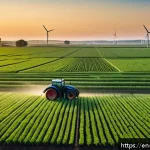
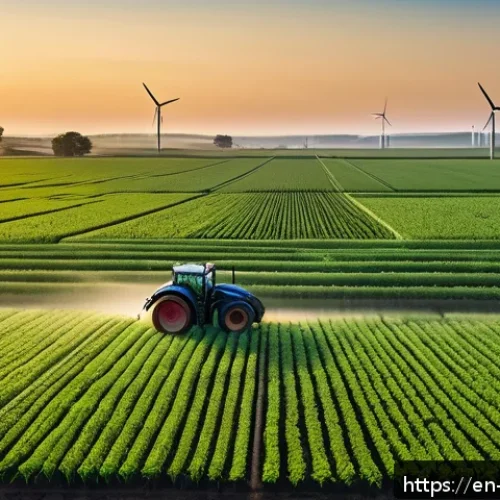
인구 증가와 식량 부족 문제 - A high-tech precision farming scene at sunrise showing a modern tractor equipped with GPS and sensor...

Hey there, food enthusiasts and curious minds! Have you noticed how headlines keep spotlighting the rapid growth of the global population? It’s no secret that this surge puts immense pressure on our food systems, challenging farmers, scientists, and policymakers alike.

인구 증가와 식량 부족 문제 관련 이미지 1

But here’s the fascinating part—cutting-edge science is stepping up with innovative solutions that could redefine how we grow and sustain food for billions.

Stick around as we explore the urgent challenges and exciting breakthroughs shaping the future of food security. Trust me, you’ll want to know what’s on the horizon!

Revolutionizing Crop Production with Smart Agriculture

Precision Farming: A Game Changer in Yield Optimization

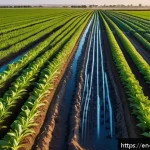
Precision farming has shifted the traditional farming paradigm by leveraging GPS technology, sensors, and data analytics to monitor crop health and soil conditions in real-time.

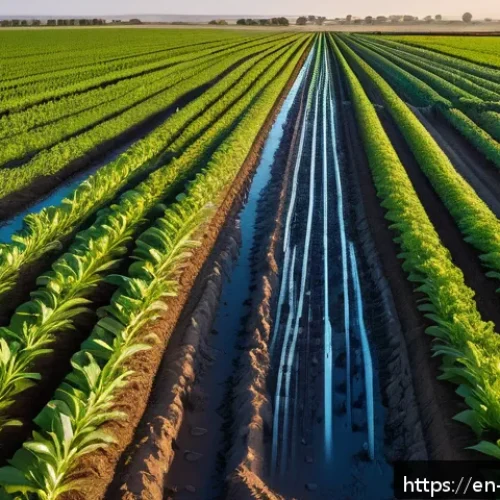
From my own visits to farms using these technologies, I noticed how farmers can target irrigation and fertilization precisely, reducing waste and boosting productivity.

Unlike the guesswork of the past, precision agriculture allows for customized care to every inch of farmland, which is critical when every drop of water and nutrient counts.

This approach not only maximizes yield but also helps in conserving resources, making it a win-win for both farmers and the environment.

Automated Machinery: Efficiency Meets Innovation

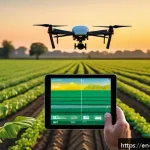
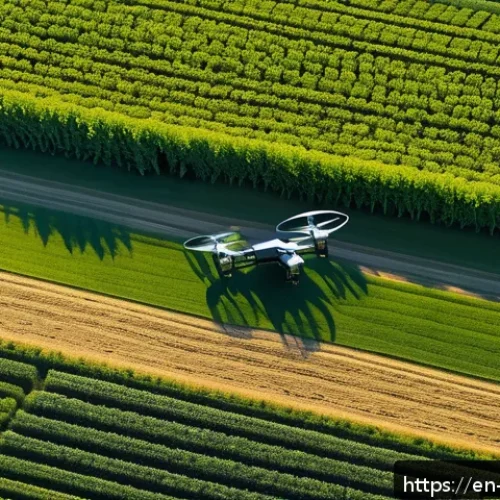
Walking through modern farms, I observed automated tractors and drones performing tasks like planting, monitoring, and harvesting with remarkable speed and accuracy.

These machines reduce labor costs and human error, which is especially valuable during peak seasons when timing can make or break a harvest. The integration of AI and robotics in machinery means that farms can operate 24/7 under optimal conditions, something unimaginable a few decades ago.

This technological leap is helping to meet food demand without endlessly expanding farmland, a crucial factor as arable land shrinks worldwide.

Data-Driven Decisions: Turning Information into Abundance

The collection and analysis of vast amounts of agricultural data have empowered farmers to make informed decisions that impact crop cycles and resource allocation.

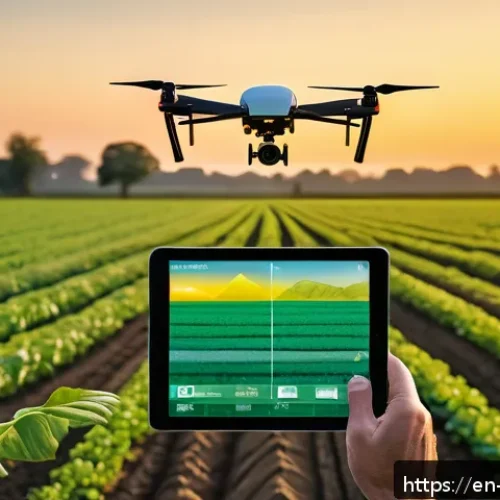
I’ve talked to several agronomists who rely on weather forecasts, soil moisture readings, and pest activity data to anticipate challenges and respond proactively.

The ability to predict and mitigate risks before they escalate reduces crop loss significantly. Moreover, these insights help optimize planting schedules and crop varieties, ensuring farmers are not just working harder, but smarter.

Advertisement

Next-Level Food Preservation Techniques

Innovations in Refrigeration and Packaging

Food waste is a massive issue linked closely to food security. Advanced refrigeration techniques, such as vacuum cooling and controlled atmosphere storage, have caught my attention for their effectiveness in extending the shelf life of perishable goods.

On top of that, smart packaging embedded with sensors can indicate freshness and detect spoilage, which helps consumers and retailers reduce unnecessary disposal.

These technologies are gradually becoming more affordable and widespread, bringing tangible benefits to the supply chain from farm to table.

Biodegradable and Edible Packaging Solutions

I recently encountered biodegradable packaging made from plant-based materials that not only protect food but also break down harmlessly after use. Some companies have gone even further, developing edible packaging that adds nutritional value or flavor to the product.

This innovation tackles two problems at once—cutting plastic pollution and preserving food quality. While still in early adoption phases, such packaging solutions could revolutionize how we think about food storage and sustainability in the near future.

Cold Chain Logistics: Keeping Food Fresh Across Borders

Maintaining the cold chain, especially in regions with limited infrastructure, has been a persistent challenge. However, new portable and solar-powered refrigeration units are bridging this gap.

Having seen these units in action during a visit to a tropical country, I was impressed by their ability to keep vaccines and fresh produce viable in remote areas.

This improvement in cold chain logistics is critical for reducing spoilage and ensuring that fresh food reaches distant markets safely and efficiently.

Advertisement

Harnessing Biotechnology for Nutritional Enhancement

Genetically Modified Crops: Debunking Myths and Real Benefits

Genetically modified organisms (GMOs) often stir debate, but from what I’ve learned through conversations with scientists and farmers, the benefits can be substantial when managed responsibly.

Crops engineered for pest resistance and drought tolerance have enabled farmers to maintain stable yields despite environmental stressors. Personally, I find it encouraging that these innovations also have the potential to improve nutritional profiles, such as rice enriched with vitamin A, helping combat deficiencies in vulnerable populations.

CRISPR and Gene Editing: Precision in Plant Improvement

Gene editing tools like CRISPR are making waves by enabling precise modifications without introducing foreign DNA, which could ease public concerns around GMOs.

I followed recent developments where researchers successfully enhanced the drought tolerance of staple crops in record time. This technique accelerates breeding processes, allowing for rapid adaptation to changing climates.

Its precision and efficiency hold promise for developing crops tailored to local needs, ultimately contributing to food security on a global scale.

Biofortification: Fighting Malnutrition at the Source

Biofortification involves enhancing the micronutrient content of crops during growth, and it’s a strategy I find particularly fascinating because it addresses malnutrition directly at the food source.

For example, iron-rich beans and zinc-enriched wheat varieties are already making an impact in parts of Africa and Asia. These biofortified crops don’t require changes in eating habits, making them a practical and sustainable solution to hidden hunger.

Advertisement

Urban Farming: Growing Food in the Heart of Cities

Vertical Farms: Maximizing Space and Yield

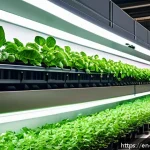
I toured a vertical farm recently and was amazed by how multiple layers of crops grow under controlled lighting and climate conditions in a compact indoor space.

This method dramatically increases yield per square foot compared to traditional farming. Urban dwellers benefit from fresher produce, and the reduced transportation distance lowers carbon emissions.

Vertical farming also uses significantly less water and pesticides, which aligns well with sustainable food production goals.

인구 증가와 식량 부족 문제 관련 이미지 2

Community Gardens and Rooftop Farming

Community gardens have become vibrant hubs for urban residents to reconnect with food production. I’ve seen neighborhoods transform when residents cultivate vegetables and herbs on rooftops or in shared plots.

Beyond providing fresh food, these spaces foster social cohesion and environmental awareness. Rooftop farms also help insulate buildings and manage stormwater, offering multiple urban ecosystem benefits.

Hydroponics and Aquaponics: Soil-Free Cultivation

Hydroponic and aquaponic systems allow plants to grow without soil, using nutrient-rich water solutions or fish waste cycles, respectively. Having experimented with a small home hydroponic kit, I can attest to the rapid growth rates and efficient resource use these systems offer.

They’re ideal for urban settings with limited space and poor soil quality. Plus, these methods can be scaled from personal setups to commercial operations, increasing fresh food availability in cities worldwide.

Advertisement

Alternative Protein Sources: Feeding Billions Sustainably

Plant-Based Meat Alternatives

The surge in plant-based meat alternatives caught my eye as a practical way to reduce the environmental footprint of protein consumption. Products mimicking the taste and texture of meat have become mainstream in supermarkets and restaurants, making it easier for consumers to switch without sacrificing flavor.

From my taste tests, the gap between traditional and plant-based meat is narrowing rapidly, which is promising for future food sustainability.

Insect Protein: Nutrient-Dense and Eco-Friendly

While still unfamiliar to many Western consumers, insect protein offers a highly efficient and nutritious alternative. I recall attending a food expo where cricket protein bars and mealworm snacks were featured; the taste was surprisingly pleasant.

Insects require minimal land, water, and feed compared to livestock, making them an environmentally sound option. Increasing awareness and creative culinary applications could help normalize their consumption.

Lab-Grown Meat: The Future of Ethical Consumption

Lab-grown or cultured meat is an emerging technology that cultivates animal cells to produce real meat without raising animals. Although still in development and relatively expensive, I’ve read firsthand accounts from early adopters describing the taste as remarkably close to conventional meat.

This innovation promises to address animal welfare concerns and reduce greenhouse gas emissions linked to livestock farming, potentially revolutionizing the protein market in the next decade.

Advertisement

Food Waste Reduction: Closing the Loop for Sustainability

Smart Inventory and Expiry Tracking

Retailers and households are increasingly adopting smart apps and devices that monitor food inventory and expiration dates. I personally use one such app that sends reminders to use items nearing their expiry, which has noticeably cut down my kitchen waste.

These digital solutions help consumers plan meals better and avoid unnecessary purchases, contributing to significant food waste reduction on a larger scale.

Redistribution Networks and Food Banks

Food redistribution initiatives connect surplus food from restaurants, grocery stores, and farms to those in need. Volunteering at a local food bank opened my eyes to the scale of edible food that would otherwise be discarded.

These networks not only address hunger but also divert waste from landfills, reducing methane emissions. Expanding such programs is vital for more equitable and sustainable food systems.

Innovative Packaging to Extend Freshness

As mentioned earlier, packaging innovations play a crucial role in preventing food spoilage. Modified atmosphere packaging, antimicrobial coatings, and freshness indicators are becoming more widespread, helping both retailers and consumers maintain quality longer.

These technologies complement waste reduction efforts by preserving food integrity from shelf to kitchen.

Innovation Key Benefits Challenges Current Adoption
Precision Farming Higher yields, resource efficiency, cost savings High initial investment, tech literacy required Increasing globally, especially in developed countries
Vertical Farming Space-saving, year-round production, water efficiency Energy intensive, high setup costs Growing in urban centers worldwide
Biofortified Crops Improved nutrition, reduced malnutrition Regulatory hurdles, public acceptance Implemented in parts of Africa and Asia
Lab-Grown Meat Ethical, lower emissions, animal welfare Costly, scale-up challenges Early stages, niche markets
Food Waste Apps Waste reduction, cost savings Dependence on user engagement Widely available in developed markets
Advertisement

In Conclusion

Smart agriculture is transforming the way we produce, preserve, and consume food, making farming more efficient and sustainable. Innovations from precision farming to alternative proteins offer practical solutions for global food security challenges. Embracing these technologies can lead to healthier populations and a greener planet. It’s clear that the future of agriculture lies in combining tradition with cutting-edge science.

Advertisement

Useful Information to Remember

1. Precision farming reduces resource waste by targeting specific crop needs, boosting both yield and environmental care.

2. Automated machinery and AI enable farms to operate efficiently around the clock, cutting labor costs and errors.

3. Advanced food preservation techniques, like smart packaging and cold chain improvements, significantly extend freshness and reduce waste.

4. Biotechnology, including gene editing and biofortification, enhances crop resilience and nutritional value without changing consumer habits.

5. Urban farming methods such as vertical farming and hydroponics increase fresh food availability while conserving space and resources.

Advertisement

Key Takeaways

Adopting smart agriculture technologies is essential for sustainable food production and addressing global nutrition needs. While initial costs and public acceptance remain challenges, the benefits of increased efficiency, reduced environmental impact, and improved food quality are undeniable. Supporting innovations in preservation and alternative proteins further complements these efforts by minimizing waste and diversifying supply. Together, these advances form a holistic approach to feeding a growing population responsibly and ethically.

Frequently Asked Questions (FAQ) 📖

Q: uestions about Global Population Growth and Food SecurityQ1: How does the rapid increase in global population impact food security?

A: The surge in global population intensifies the demand for food, putting enormous strain on agricultural systems. More mouths to feed mean farmers must produce higher yields on limited land and resources, often leading to overexploitation of soil and water.
This challenge pushes scientists and policymakers to innovate sustainable farming techniques and improve supply chains to prevent food shortages and ensure equitable access.

Q: What are some innovative scientific breakthroughs helping to address food production challenges?

A: Recent advances include precision agriculture using drones and AI to optimize crop management, development of drought-resistant and nutrient-rich crop varieties through genetic research, and vertical farming techniques that allow food production in urban spaces with minimal land use.
These technologies not only boost productivity but also reduce environmental impact, making food systems more resilient.

Q: Why is it important for consumers to be aware of food security issues related to population growth?

A: Understanding these issues empowers consumers to make informed choices, such as reducing food waste, supporting sustainable brands, and advocating for policies that promote food equity.
When consumers demand transparency and sustainability, it encourages the entire food industry to adopt better practices, ultimately contributing to a more secure and sustainable food future for everyone.

📚 References


➤ Link

– Google Search

➤ Link

– Bing Search

➤ Link

– Google Search

➤ Link

– Bing Search

➤ Link

– Google Search

➤ Link

– Bing Search

➤ Link

– Google Search

➤ Link

– Bing Search

➤ Link

– Google Search

➤ Link

– Bing Search

➤ Link

– Google Search

➤ Link

– Bing Search

➤ Link

– Google Search

➤ Link

– Bing Search
Advertisement