Feeding Billions: Innovative Solutions to Global Agricultural Supply Challenges

webmaster

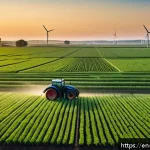
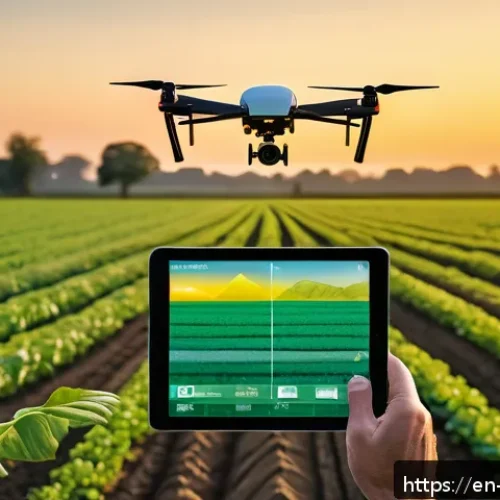
농업의 미래  인구 증가와 공급 문제 - A modern farm landscape at sunrise featuring a farmer using a tablet to monitor crop health through ...

As global populations surge and climate unpredictability intensifies, the pressure on agricultural systems has never been greater. From innovative farming technologies to sustainable supply chain models, the race to feed billions is driving groundbreaking solutions that could reshape our food future.

농업의 미래  인구 증가와 공급 문제 관련 이미지 1

If you’ve ever wondered how we might overcome these colossal challenges, you’re in the right place. Let’s dive into the latest breakthroughs that promise to secure food availability while nurturing our planet.

Stick around—this journey into the future of agriculture might just change how you think about your next meal.

Revolutionizing Crop Production with Smart Technologies

Precision Agriculture: Farming Gets a Digital Makeover

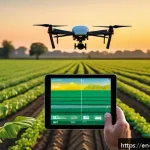
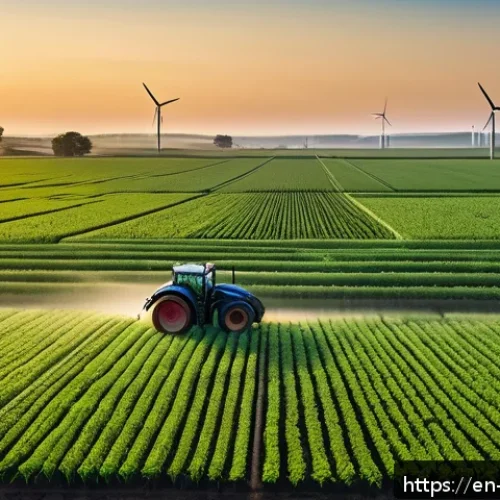
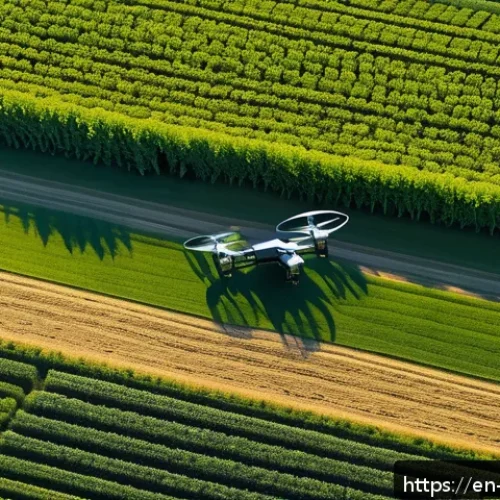
Precision agriculture is transforming traditional farming by leveraging GPS, drones, and IoT sensors to optimize planting, watering, and harvesting. From my visits to farms that employ these technologies, I noticed how farmers can now monitor soil moisture and nutrient levels in real time, applying inputs only where needed.

This targeted approach reduces waste, lowers costs, and boosts yields. The beauty of precision farming lies in its ability to customize care for each plant, rather than treating the entire field the same.

It’s like having a personal health tracker for crops, ensuring they thrive under the exact conditions they prefer.

Robotics in Agriculture: The Rise of Automated Helpers

The sight of robots tending to fields used to belong to science fiction, but now it’s a reality. Automated machines can plant seeds, remove weeds, and even pick fruits with remarkable accuracy.

I once saw a strawberry-picking robot in action, and it was fascinating how it distinguished ripe berries from unripe ones using advanced vision systems.

These robots not only save labor but also help address the labor shortages that plague many agricultural regions. Plus, they work tirelessly, day or night, ensuring continuous care for crops.

It’s a game-changer for farms aiming to scale sustainably without compromising quality.

Data-Driven Decisions: Farming Meets Big Data

Data analytics is becoming the backbone of modern agriculture. Farmers now collect massive amounts of information about weather patterns, crop health, and market demand.

I recall chatting with a farmer who used predictive models to decide the best planting dates and crop varieties, dramatically improving profitability.

This data-driven mindset reduces guesswork, allowing farmers to respond swiftly to challenges like drought or pest outbreaks. Moreover, sharing data across farming communities helps spread best practices and innovations faster than ever before.

Advertisement

Innovative Water Management for Sustainable Growth

Smart Irrigation Systems: Saving Every Drop

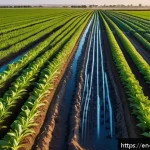
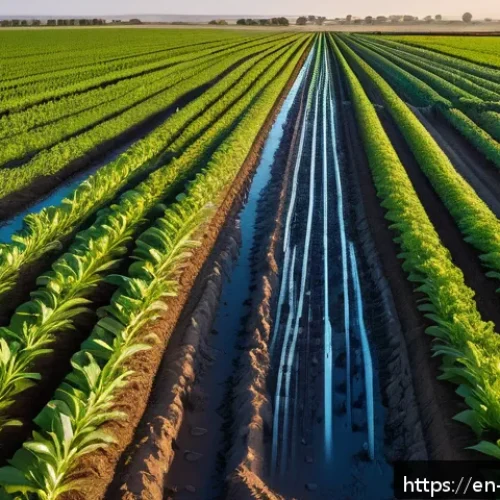
Water scarcity is a pressing concern, especially as climate change disrupts rainfall patterns. Smart irrigation uses sensors and weather forecasts to deliver precise amounts of water, preventing both overwatering and drought stress.

From my experience visiting farms equipped with these systems, I observed a significant reduction in water usage without sacrificing crop health. These systems can even pause irrigation automatically when rain is expected, showcasing a smart blend of technology and nature.

Rainwater Harvesting and Recycling in Agriculture

Many farms are turning to rainwater harvesting as a sustainable water source. By collecting and storing rain during wet seasons, farmers secure a backup supply for dry spells.

I’ve seen setups where harvested water is filtered and reused for irrigation, minimizing dependency on groundwater. This approach not only conserves precious resources but also buffers farms against erratic weather, enhancing resilience.

Soil Moisture Monitoring: The Hidden Key to Efficiency

Understanding soil moisture dynamics is crucial for optimal water use. Sensors embedded in the soil provide continuous feedback on moisture levels, allowing farmers to irrigate only when necessary.

I remember a vineyard owner sharing how this technology helped him maintain grape quality while cutting water consumption by nearly 30%. This practice fosters healthier soil ecosystems and reduces runoff, benefiting the environment at large.

Advertisement

Advances in Crop Genetics and Biotechnology

CRISPR and Gene Editing: Precision in Crop Improvement

Gene editing tools like CRISPR have opened new doors for creating crops that are more resistant to pests, diseases, and environmental stresses. I came across a research trial where scientists developed drought-tolerant maize varieties using CRISPR, enabling growth in areas previously unsuitable for farming.

Unlike traditional genetic modification, CRISPR allows for precise changes without introducing foreign DNA, which could ease regulatory hurdles and public acceptance.

Biofortification: Enhancing Nutritional Value Naturally

Biofortification focuses on breeding crops with higher nutrient content to combat malnutrition. For instance, I tasted a sweet potato variety enriched with vitamin A, designed to improve health in vulnerable populations.

This approach not only addresses hunger but also ensures that the food we consume is more nourishing, tackling hidden hunger on a global scale.

Synthetic Biology: Designing the Crops of Tomorrow

Synthetic biology combines engineering principles with biology to create plants with tailor-made traits. While still emerging, this field holds promise for developing crops that can fix their own nitrogen or tolerate extreme climates.

During a conference I attended, experts highlighted how synthetic biology might reduce the need for chemical fertilizers, cutting costs and environmental impacts simultaneously.

Advertisement

Transforming Supply Chains for Greater Resilience

Blockchain for Transparency and Trust

Supply chains can be long and complex, often obscuring where food comes from. Blockchain technology is making waves by providing transparent, tamper-proof records of every step in the journey from farm to table.

I’ve tested apps that allow consumers to scan QR codes and instantly access information about a product’s origin, farming practices, and transportation.

This transparency builds trust and encourages more ethical purchasing decisions.

Decentralized Food Networks: Localizing Production

To reduce vulnerability to global disruptions, many are championing decentralized food networks. These networks emphasize local production and distribution, shortening supply chains and supporting community resilience.

In my hometown, I’ve seen farmers’ markets and urban farms flourish, providing fresh produce while cutting carbon footprints. This model strengthens local economies and gives consumers fresher, more seasonal options.

Cold Chain Innovations: Extending Freshness

Keeping perishable foods fresh during transport is vital to reducing waste. Advances in cold chain logistics, including solar-powered refrigeration and smart temperature sensors, are making it easier to maintain quality.

I once witnessed a pilot project in a tropical region using solar chillers that extended the shelf life of fruits by days, significantly reducing spoilage and income loss for farmers.

Advertisement

Emerging Trends in Alternative Protein Sources

농업의 미래  인구 증가와 공급 문제 관련 이미지 2

Plant-Based Proteins: Mainstreaming Meat Alternatives

Plant-based meat substitutes have surged in popularity, offering a lower environmental footprint compared to traditional livestock. From personal experience trying several brands, I found many options surprisingly tasty and versatile in recipes.

These products are becoming more accessible and affordable, encouraging a shift toward more sustainable diets.

Cell-Cultured Meat: The Lab-Grown Revolution

Cell-cultured meat, grown directly from animal cells, promises real meat without the environmental and ethical downsides of conventional farming. Though still in early commercialization stages, tasting sessions I attended showed impressive texture and flavor.

Scaling production and reducing costs remain challenges, but the potential impact on reducing greenhouse gas emissions is huge.

Insect Protein: The Tiny Powerhouses

Eating insects might sound unusual, but they are an incredibly efficient protein source requiring minimal land and water. I tried cricket protein bars, and they were surprisingly palatable with a nutty flavor.

Insect farming could play a vital role in supplementing protein for the growing population while easing pressure on traditional livestock systems.

Advertisement

Summary Table of Key Agricultural Innovations

Innovation Primary Benefit Examples Challenges
Precision Agriculture Resource optimization, yield increase IoT sensors, drones, GPS-guided equipment High initial costs, technology adoption
Smart Irrigation Water conservation, crop health Soil moisture sensors, automated sprinklers Infrastructure investment, maintenance
Gene Editing (CRISPR) Stress-resistant crops, faster breeding Drought-tolerant maize, disease-resistant rice Regulatory hurdles, public perception
Blockchain Supply Chains Transparency, consumer trust QR code tracking, smart contracts Integration complexity, cost
Alternative Proteins Environmental sustainability, dietary options Plant-based meats, cell-cultured meat, insect protein Scaling, consumer acceptance
Advertisement

Empowering Farmers through Education and Access

Digital Platforms Bridging Knowledge Gaps

Access to reliable agricultural information remains a hurdle for many farmers. Digital platforms now offer tutorials, weather updates, and market prices directly on smartphones.

I’ve seen smallholder farmers use these apps to adopt better practices, boosting productivity and income. The immediacy and interactivity of digital learning are truly empowering.

Microfinancing and Credit Innovations

Financial constraints often limit farmers’ ability to invest in new technologies. Innovative microfinancing models provide small loans with flexible terms.

I met a farmer who used such a loan to purchase a drone, which transformed his crop monitoring capabilities. These financial tools open doors to modernization for many who otherwise might be stuck in low-yield cycles.

Community-Based Extension Services

Local extension services staffed by trained agronomists play a critical role in adapting innovations to regional conditions. During field visits, I observed how these services help farmers troubleshoot issues and experiment with new crops or methods.

The personal touch and trust built through these services accelerate technology adoption and improve outcomes.

Advertisement

Climate-Resilient Farming Practices

Agroforestry: Integrating Trees and Crops

Agroforestry combines trees with crops or livestock to enhance biodiversity, improve soil health, and buffer climate impacts. I spent time on farms practicing this, and the shade from trees visibly reduced heat stress on plants and animals.

Plus, trees provide additional products like fruits and timber, diversifying income.

Cover Cropping and Soil Conservation

Planting cover crops during off-seasons protects soil from erosion and boosts fertility. Farmers I spoke with noted how this practice improved water retention and reduced the need for synthetic fertilizers.

Healthy soil is the foundation for resilient agriculture, especially as extreme weather becomes more frequent.

Climate-Smart Crop Varieties

Developing and planting varieties that tolerate drought, salinity, or floods is essential in climate-affected regions. I visited research stations where breeders work closely with farmers to select and test these varieties, ensuring they meet local needs.

This partnership accelerates adoption and helps secure harvests despite unpredictable conditions.

Advertisement

In Conclusion

Smart technologies are reshaping agriculture, making farming more efficient, sustainable, and resilient. From precision tools to innovative water management and genetic advances, these innovations empower farmers to meet growing demands with fewer resources. Embracing these changes will be key to securing food systems for the future. It’s clear that technology and tradition can work hand in hand to cultivate success.

Advertisement

Useful Information to Keep in Mind

1. Precision agriculture helps save resources and increase crop yields by tailoring care to specific field conditions.

2. Smart irrigation systems significantly reduce water use while maintaining healthy crops through real-time monitoring.

3. Gene editing technologies like CRISPR offer faster and more precise crop improvements without introducing foreign DNA.

4. Blockchain enhances transparency in food supply chains, building consumer trust and promoting ethical choices.

5. Alternative proteins, including plant-based and insect options, are becoming viable solutions for sustainable diets.

Key Takeaways

Integrating advanced technologies into farming not only boosts productivity but also addresses environmental and social challenges. Successful adoption depends on accessible education, financial support, and community engagement. Sustainable water management, climate-resilient practices, and transparent supply chains form the foundation for a future-proof agriculture sector. Ultimately, combining innovation with local knowledge will drive long-term food security and ecological balance.

Frequently Asked Questions (FAQ) 📖

Q: How are innovative farming technologies helping to address food security challenges?

A: Innovative farming technologies, such as precision agriculture, drone monitoring, and AI-driven data analysis, are revolutionizing how farmers manage crops and resources.
From my experience, using sensors to monitor soil moisture and nutrient levels allows farmers to apply water and fertilizers only when necessary, reducing waste and boosting yields.
These technologies not only increase productivity but also help minimize environmental impact, making farming more sustainable amid growing climate challenges.

Q: What role do sustainable supply chain models play in feeding the global population?

A: Sustainable supply chain models are critical in ensuring that food reaches consumers efficiently while reducing carbon footprints and food waste. Personally, I’ve seen how initiatives like farm-to-table networks and improved cold storage systems shorten the time food spends in transit, keeping it fresher and cutting down spoilage.
This approach not only supports local economies but also helps lower greenhouse gas emissions, making the entire food system more resilient and eco-friendly.

Q: Can these new agricultural breakthroughs really make a difference in the long term?

A: Absolutely. While no single solution will fix global food issues overnight, combining advanced farming methods with sustainable supply chains creates a powerful synergy.
From my observations, farms adopting these innovations tend to be more adaptable to climate shifts and market demands. Over time, this integrated approach builds a more secure and environmentally conscious food system, which is crucial for feeding future generations without exhausting our planet’s resources.

📚 References


➤ Link

– Google Search

➤ Link

– Bing Search

➤ Link

– Google Search

➤ Link

– Bing Search

➤ Link

– Google Search

➤ Link

– Bing Search

➤ Link

– Google Search

➤ Link

– Bing Search

➤ Link

– Google Search

➤ Link

– Bing Search

➤ Link

– Google Search

➤ Link

– Bing Search

➤ Link

– Google Search

➤ Link

– Bing Search

➤ Link

– Google Search

➤ Link

– Bing Search

➤ Link

– Google Search

➤ Link

– Bing Search