Hydroponics vs Traditional Farming Explored: Which Method Will Shape the Future of Agriculture?

webmaster

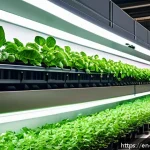
수경재배와 전통 농업의 차이 - A modern urban hydroponic farm inside a repurposed warehouse, featuring tall vertical racks filled w...

With climate change and urbanization reshaping how we grow food, the debate between hydroponics and traditional farming has never been more relevant. As water scarcity and land limitations intensify, innovative agricultural methods are gaining momentum.

수경재배와 전통 농업의 차이 관련 이미지 1

I’ve seen firsthand how hydroponics can transform spaces and yields, but traditional farming still holds deep roots in our food systems. So, which approach truly offers a sustainable future?

Let’s dive into the strengths and challenges of each to uncover what might shape tomorrow’s agriculture.

Reimagining Space: Urban Farming Versus Open Fields

Maximizing Every Inch in Urban Environments

When I first stepped into a hydroponic farm tucked inside a repurposed warehouse, I was amazed by how efficiently the space was used. Vertical racks stacked with leafy greens, tomatoes, and herbs made it clear that urban farming isn’t just about growing plants—it’s about redefining how we use space.

Unlike sprawling traditional farms, hydroponics thrives in compact areas, making it a perfect fit for cities where land is scarce and costly. This method transforms rooftops, basements, or even shipping containers into productive food hubs.

For city dwellers craving fresh produce, this means access to greens grown just minutes away from their kitchens, cutting down on transportation emissions and time.

Traditional Farms: The Vast Canvas for Crop Diversity

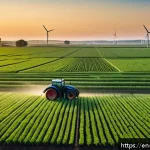
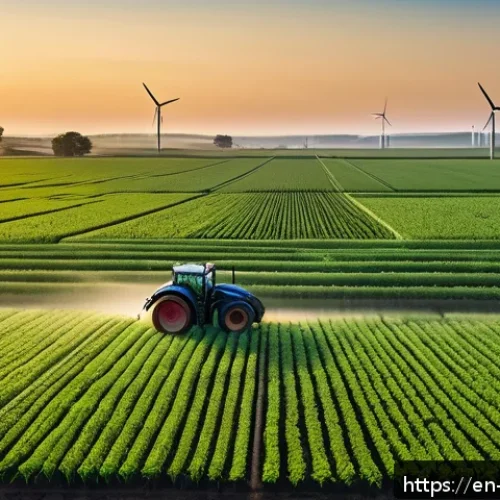
On the flip side, traditional farming still holds an undeniable charm and practicality when it comes to scale and crop variety. Walking through an open field under the wide sky, you feel connected to the earth in a way that’s hard to replicate indoors.

These farms can support a broader range of crops, including grains, root vegetables, and fruits that require more soil depth and space. Moreover, the biodiversity on traditional farms often supports local ecosystems, providing habitats for pollinators and wildlife.

Despite urban farming’s space efficiency, traditional farms remain essential for producing staples that feed billions worldwide.

Comparing Space Utilization and Crop Variety

Aspect Urban Hydroponics Traditional Farming
Space Requirement Minimal, vertical stacking possible Extensive land area needed
Crop Variety Mostly leafy greens, herbs, some fruits Wide variety including grains, root crops, fruits
Location Flexibility Highly adaptable to urban settings Generally rural or suburban areas
Impact on Local Ecosystem Limited Supports biodiversity and wildlife
Advertisement

Water Wisdom: Navigating Scarcity and Efficiency

Hydroponics and Precision Water Management

One of the biggest eye-openers for me was how hydroponic systems use water. Unlike traditional farming, where water often seeps into the ground or evaporates, hydroponics recycles water through closed-loop systems.

This drastically reduces water waste, sometimes by up to 90% compared to conventional methods. In regions battling drought or water shortages, this efficiency isn’t just an advantage—it’s a necessity.

Watching the nutrient-rich water flow precisely to plant roots without any soil felt like a peek into the future of sustainable agriculture.

Traditional Farming’s Water Challenges

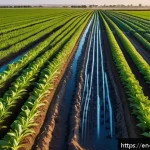
Traditional farming’s reliance on soil makes water management trickier. Heavy irrigation can lead to runoff, soil erosion, and nutrient depletion, which in turn harm local waterways.

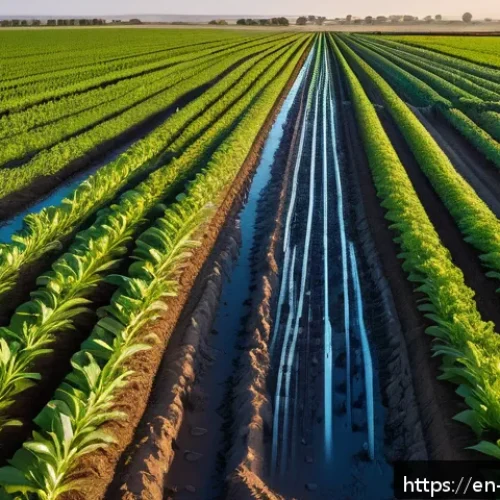
However, many farmers are adopting smarter irrigation techniques, like drip irrigation and rainwater harvesting, to mitigate these issues. Still, water scarcity remains a significant challenge, especially in arid regions.

The sheer scale of traditional farms also means that water use is enormous, which can be problematic as climate change intensifies drought cycles worldwide.

Water Usage Comparison

Water Use Efficiency Hydroponics Traditional Farming
Water Recycling Closed-loop systems recycle up to 90% Limited, mostly one-time use
Water Loss Minimal evaporation and runoff High evaporation, runoff, and seepage
Suitability for Drought Areas Highly suitable Less suitable without advanced irrigation
Advertisement

Energy and Infrastructure: Balancing Costs and Sustainability

Energy Demands of Controlled Environments

Hydroponic farms often rely on artificial lighting, climate control, and pumps to maintain optimal growing conditions year-round. This means they can have a hefty energy footprint, especially if renewable energy sources aren’t integrated.

I’ve seen setups powered by solar panels, which mitigate these impacts, but many still depend on grid electricity. While the consistency and speed of crop growth are impressive, the energy cost can be a limiting factor, particularly in places where electricity is expensive or sourced from fossil fuels.

The Natural Energy of Outdoor Farming

Traditional farming benefits from sunlight, natural rainfall, and ambient temperatures, which keep energy inputs relatively low. However, this also means it’s vulnerable to weather extremes and seasonal changes.

The unpredictability can impact yields and sometimes necessitates heavy use of machinery and irrigation pumps, which do consume fossil fuels and add to the carbon footprint.

Despite this, many farmers are transitioning to more sustainable practices like no-till farming, cover cropping, and integrating renewable energy on-site.

Energy and Infrastructure Overview

Factor Hydroponics Traditional Farming
Energy Source Often electricity-dependent, potential for renewables Mostly natural, some machinery fuel use
Infrastructure Complexity High-tech systems, climate control needed Relatively low-tech, but large-scale machinery
Carbon Footprint Variable, depends on energy source Variable, affected by machinery and fertilizer use
Advertisement

Nutrient Delivery and Soil Health

Precision Feeding in Hydroponics

One of the standout advantages of hydroponics is the ability to precisely control nutrients delivered to plants. This leads to faster growth rates and higher yields per square foot.

Because plants aren’t competing for nutrients in soil, farmers can tailor nutrient mixes to specific crop needs, optimizing growth and minimizing waste.

I’ve witnessed how this control reduces fertilizer runoff, a major environmental concern in traditional farming.

Soil’s Role in Ecosystem Services

Traditional farming depends heavily on soil health, which is a complex ecosystem in itself. Healthy soil stores carbon, supports beneficial microorganisms, and retains water—all crucial for sustainable agriculture.

수경재배와 전통 농업의 차이 관련 이미지 2

However, intensive farming practices can degrade soil quality, leading to erosion and nutrient depletion. Many farmers now focus on regenerative techniques to restore soil vitality, which benefits long-term productivity and environmental health.

This natural system is difficult to replicate in hydroponic setups, making soil a valuable asset in conventional agriculture.

Comparing Nutrient and Soil Dynamics

Aspect Hydroponics Traditional Farming
Nutrient Delivery Controlled, precise, minimal waste Dependent on soil quality and fertilizer application
Soil Dependency None Essential for crop growth and ecosystem support
Environmental Impact Less runoff, but requires synthetic nutrients Risk of erosion and runoff, but supports biodiversity
Advertisement

Economic Viability and Market Access

High Initial Costs and ROI in Hydroponics

Setting up a hydroponic system can be expensive. From purchasing specialized equipment to installing lighting and climate controls, the upfront investment is significant.

However, the faster crop cycles and higher yields can lead to quicker returns. In my experience, urban farmers using hydroponics often find success in niche markets like organic produce or specialty herbs, commanding premium prices.

The challenge lies in balancing these costs with market demand and consumer willingness to pay.

Traditional Farming’s Established Infrastructure

Traditional farming benefits from decades, even centuries, of established supply chains, equipment availability, and market networks. The initial investment varies widely depending on farm size and equipment, but the model is well-understood and accessible.

Farmers can tap into local, regional, and global markets, though price volatility and weather risks remain constant concerns. Government subsidies and crop insurance also play roles in economic stability.

Economic Factors Comparison

Criteria Hydroponics Traditional Farming
Initial Setup Cost High Variable, often lower per acre
Time to Harvest Shorter cycles Longer growing seasons
Market Flexibility Niche, urban-focused Broad, established channels
Risk Factors Technical failures, energy costs Weather, pests, market fluctuations
Advertisement

Social and Cultural Dimensions of Food Production

Community Impact of Urban Hydroponics

Hydroponic farms embedded in urban neighborhoods often serve as more than just food producers—they become community hubs. I’ve seen projects where local residents learn about sustainable farming, participate in harvests, and gain access to fresh produce in food deserts.

These farms can empower communities, create jobs, and foster food literacy. The social value adds an important layer to sustainability that goes beyond environmental metrics.

Tradition and Identity in Rural Farming

Traditional farming carries deep cultural significance in many regions. It’s tied to generational knowledge, rural livelihoods, and local food traditions.

For many families, farming is not just a job but a way of life, shaping identities and community bonds. While modernization is changing these dynamics, preserving traditional practices is crucial for cultural heritage and maintaining diverse food systems.

Social Impact Overview

Aspect Hydroponics Traditional Farming
Community Engagement High, especially in urban areas Strong in rural communities
Cultural Significance Emerging, linked to innovation Deep-rooted, tied to heritage
Job Creation Skilled, tech-focused roles Broad range of agricultural jobs
Advertisement

In Conclusion

Urban hydroponic farming and traditional open-field agriculture each bring unique strengths and challenges to the table. While hydroponics excels in space efficiency and water conservation within cities, traditional farms remain vital for biodiversity, large-scale crop diversity, and cultural heritage. Both systems have important roles in creating a sustainable and resilient food future.

Advertisement

Useful Information to Know

1. Urban farming maximizes limited city space by using vertical stacking and innovative growing methods, making fresh produce more accessible to urban populations.

2. Traditional farms support a wider variety of crops and play a key role in sustaining local ecosystems and wildlife habitats.

3. Hydroponics offers remarkable water efficiency with closed-loop systems, ideal for drought-prone areas, whereas traditional farming faces challenges with water runoff and soil erosion.

4. Energy use in hydroponics can be high due to artificial lighting and climate control, but renewable energy integration can help offset this impact.

5. Both farming methods contribute to social well-being, with urban farms fostering community engagement and traditional farms preserving cultural identity and rural livelihoods.

Advertisement

Key Takeaways

Urban hydroponic farming is transforming how we think about growing food in space-limited environments by prioritizing efficiency and sustainability. However, traditional farming remains indispensable for producing staple crops, supporting biodiversity, and maintaining cultural traditions. Balancing these approaches and advancing sustainable practices in both will be essential for addressing future food security and environmental challenges.

Frequently Asked Questions (FAQ) 📖

Q: uestionsQ1: How does hydroponic farming save water compared to traditional farming?

A: Hydroponic farming uses up to 90% less water than traditional soil-based agriculture because it recirculates water in a closed system. Instead of water being lost through soil absorption or evaporation, hydroponics delivers nutrients directly to plant roots with minimal waste.
From my experience visiting hydroponic farms, this efficiency is a game-changer, especially in areas facing severe water shortages. Traditional farming, by contrast, often requires significant irrigation that can deplete local water sources.

Q: Can hydroponics produce the same quality and variety of crops as traditional farming?

A: Hydroponics can grow a wide range of crops, especially leafy greens, herbs, and some fruits, often with faster growth rates and higher yields. However, certain crops like root vegetables or large grains still perform better in soil environments.
From what I’ve observed, hydroponic produce tends to be fresher and less exposed to soil-borne diseases, but traditional farming supports more crop diversity and complex ecosystems that contribute to flavor and nutrition.
Both methods have unique strengths depending on the crop and region.

Q: Is hydroponic farming economically viable for small-scale farmers?

A: Initially, hydroponic systems require a significant investment in equipment, technology, and training, which can be a barrier for small-scale farmers.
However, over time, the higher yield per square foot and reduced water and pesticide costs can offset these expenses. In my conversations with urban farmers, many see hydroponics as a promising way to grow food in limited spaces with less environmental impact.
Yet, for those without access to capital or technical support, traditional farming remains more accessible and familiar.

📚 References


➤ Link

– Google Search

➤ Link

– Bing Search

➤ Link

– Google Search

➤ Link

– Bing Search

➤ Link

– Google Search

➤ Link

– Bing Search

➤ Link

– Google Search

➤ Link

– Bing Search

➤ Link

– Google Search

➤ Link

– Bing Search

➤ Link

– Google Search

➤ Link

– Bing Search

➤ Link

– Google Search

➤ Link

– Bing Search
Advertisement