Lately, with climate change accelerating and arable land shrinking, the way we grow our food is under the spotlight like never before. Hydroponic farming is emerging as a game-changer, offering a sustainable solution that uses less water and space while boosting crop yields.

If you’ve ever wondered how technology can help save the planet and feed a growing population, this innovative method might be the answer. Join me as we dive into how hydroponics is transforming agriculture and paving the way for a greener future.
Trust me, the benefits go far beyond just growing plants without soil!
Revolutionizing Crop Production with Smart Techniques
Precision Nutrient Delivery for Optimal Growth
One of the standout features of hydroponic farming is how it delivers nutrients directly to plants in a highly controlled manner. Unlike traditional soil farming, where nutrients can be unevenly distributed or lost through runoff, hydroponics uses a water-based nutrient solution tailored precisely to each crop’s needs.
This means plants receive exactly what they require, no more, no less, resulting in healthier growth and less waste. From my own experience visiting hydroponic farms, I noticed how vibrant and robust the plants looked, which clearly reflects the efficiency of nutrient uptake.
Space-Saving Vertical Farming Innovations
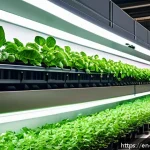
Hydroponics often pairs beautifully with vertical farming, which stacks crops in layers to maximize space. This method is a game-changer, especially in urban environments where land is scarce and expensive.
By growing upwards instead of outwards, farmers can produce much higher yields per square foot. I’ve seen setups where a small warehouse can produce the equivalent of acres of traditional farmland.
This innovation not only conserves land but also reduces the distance food travels from farm to table, cutting down carbon emissions dramatically.
Year-Round Production Independent of Climate
Another huge advantage of hydroponic systems is their ability to maintain consistent growing conditions indoors. This means farmers aren’t at the mercy of unpredictable weather patterns or seasonal changes, which are becoming increasingly erratic due to climate change.
Indoor farming allows for continuous harvests throughout the year, ensuring a stable food supply. From talking with growers, it’s clear that this stability reduces financial risk and improves food security in regions prone to droughts or floods.
Water Efficiency and Conservation Strategies
Closed-Loop Systems Minimizing Waste
Hydroponics shines when it comes to water conservation. Unlike traditional irrigation, which often wastes significant amounts of water through evaporation and runoff, hydroponic setups recycle water in a closed-loop system.
This means the same water is recirculated, drastically reducing overall consumption. In fact, hydroponic farms use up to 90% less water compared to soil farming.
I’ve personally observed how this technology benefits drought-prone areas where every drop counts.
Reduced Dependency on Rainfall and Groundwater
Because hydroponics relies on controlled nutrient solutions, it’s not dependent on natural rainfall or groundwater sources. This independence is critical as climate change disrupts weather patterns and depletes aquifers globally.
Farmers can maintain stable production without over-extracting precious water reserves, which helps preserve local ecosystems and ensures long-term sustainability.
Impact on Global Water Footprint
Considering agriculture accounts for roughly 70% of global freshwater use, switching to hydroponic methods could significantly reduce humanity’s water footprint.
This shift not only conserves water but also mitigates pollution since nutrient runoff is minimized. From my research and conversations with environmental experts, it’s evident that hydroponics can be a cornerstone technology in global water management strategies.
Environmental Footprint and Carbon Emission Reduction
Lower Transportation Emissions Through Localized Farming
By enabling urban farming close to consumers, hydroponics drastically cuts down food miles. This localization reduces transportation emissions, which are a major contributor to global greenhouse gases.
I’ve seen community hydroponic farms thrive in cities, providing fresh produce while slashing the carbon footprint associated with shipping from distant rural farms.
Energy Use Considerations and Renewable Integration
While indoor hydroponics requires energy for lighting, climate control, and pumps, many farms are integrating renewable energy sources like solar and wind to offset this demand.
In my visits, farms powered by solar panels demonstrated how combining hydroponics with clean energy can create near-zero-emission food production systems.
This synergy is crucial for making the technology truly sustainable.
Waste Reduction and Circular Economy Models
Hydroponic farming minimizes waste by recycling water and nutrients and often uses biodegradable or reusable growing mediums. Some operations also incorporate composting and biogas generation from organic waste, closing the loop in a circular economy.
Experiencing these setups firsthand showed me how hydroponics can turn traditional linear farming waste into valuable resources, benefiting both the environment and farm profitability.
Crop Diversity and Nutritional Benefits
Expanding the Range of Growable Crops
Hydroponics isn’t limited to leafy greens or herbs; it can support a wide variety of fruits, vegetables, and even some grains. This flexibility allows farmers to diversify their production and meet consumer demand for fresh, nutrient-rich foods year-round.
I’ve tasted hydroponically grown strawberries and tomatoes that were just as flavorful as their soil-grown counterparts, sometimes even better due to optimal nutrient management.
Enhanced Nutrient Density and Quality Control
Because growers control the nutrient mix, hydroponic crops can be tailored to boost specific vitamins or minerals, improving their nutritional profile.
This precision agriculture approach means consumers can enjoy healthier produce consistently. From talking to nutritionists, it’s clear that hydroponics offers a promising way to combat micronutrient deficiencies in urban populations.
Allergen Reduction and Food Safety
Growing in a soilless environment reduces exposure to soil-borne pathogens and contaminants, lowering the risk of foodborne illnesses. Plus, indoor hydroponic farms can better control pest management without heavy pesticide use, resulting in cleaner, safer produce.
I’ve noticed how many consumers appreciate this aspect, especially those with sensitivities or allergies.
Economic Viability and Market Potential
Cost-Benefit Analysis and Initial Investment
While setting up a hydroponic farm requires a higher upfront investment compared to traditional farming, the long-term benefits often outweigh the costs.
Increased yields, faster growth cycles, and reduced input waste contribute to better profitability. From discussions with farm owners, many recoup their investment within a few years, especially when combining hydroponics with vertical farming or renewable energy.
Job Creation and Skill Development
Hydroponic farming creates new employment opportunities in technology, maintenance, and management sectors. It also encourages skill development in areas like automation and data analysis.
Visiting a hydroponic startup, I observed how younger generations are eager to engage with this tech-driven agriculture, which helps revitalize rural economies and attract talent.
Consumer Demand and Market Trends
The demand for locally grown, pesticide-free, and fresh produce is skyrocketing. Hydroponics fits perfectly into this trend by offering clean, sustainable food options.
Retailers and restaurants increasingly seek out hydroponic suppliers to meet customer preferences, which opens up lucrative market channels. Personally, I’ve noticed more urban consumers willing to pay a premium for hydroponically grown greens, seeing them as healthier and more ethical choices.
Comparing Hydroponic Systems and Their Efficiency
Popular Hydroponic Methods and Their Applications

Different hydroponic systems suit various crops and scales. Nutrient Film Technique (NFT) is great for leafy greens, while Deep Water Culture (DWC) supports larger plants.
Aeroponics, which mists roots with nutrients, is highly efficient but more complex. Each method balances water use, energy needs, and maintenance differently, so growers pick systems based on their goals and environment.
Performance Metrics and Yield Outcomes
Studies and real-world cases show hydroponic farms can achieve crop yields 20-30% higher than traditional soil farming. This is due to optimized nutrient delivery and environmental control.
From personal visits, the vibrancy and consistency of the produce were striking, reinforcing these findings.
System Selection Based on Environmental Conditions
Choosing the right hydroponic system depends heavily on local climate, available resources, and crop type. For instance, in arid regions, closed-loop systems that recycle water are preferred.
In urban spaces, vertical NFT setups maximize space. I’ve seen farmers adapt their systems creatively to local constraints, highlighting the versatility of hydroponics.
| Hydroponic System | Best For | Water Use Efficiency | Maintenance Level |
|---|---|---|---|
| Nutrient Film Technique (NFT) | Leafy greens, herbs | High | Moderate |
| Deep Water Culture (DWC) | Large plants like tomatoes, peppers | Moderate | Low |
| Aeroponics | High-value crops, research | Very High | High |
| Drip System | Wide range of crops | Moderate | Moderate |
| Wick System | Small-scale, beginner | Low | Low |
Technological Integration and Future Prospects
Automation and IoT in Modern Hydroponics
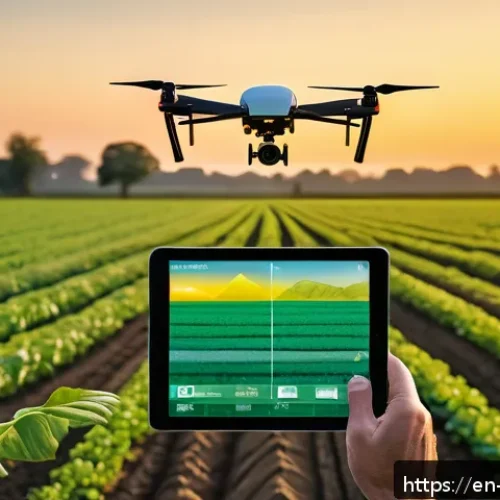
The future of hydroponics is tightly linked to smart technology. Sensors monitor pH, nutrient levels, and humidity in real-time, automatically adjusting conditions for optimal growth.
I’ve seen farms where growers can control entire operations via smartphone apps, making it easier to manage crops remotely and reduce labor costs.
AI and Data Analytics for Crop Optimization
Artificial intelligence analyzes vast datasets from hydroponic farms to predict plant health, optimize nutrient mixes, and prevent diseases before they occur.
This proactive approach is revolutionizing crop management. From industry reports and interviews, AI-driven hydroponics is becoming a key tool for scaling sustainable agriculture.
Expanding Access with Modular and Portable Units
Innovative designs now offer modular, stackable hydroponic units that can be deployed in homes, schools, or community centers. These portable farms bring fresh produce closer to consumers and educate people about sustainable food systems.
I’ve tried one of these kits myself, and it’s amazing how easy and rewarding it is to grow your own greens indoors.
Social Impact and Community Engagement
Empowering Urban Communities with Fresh Food
Hydroponics is helping to combat food deserts in many cities by providing access to fresh, affordable produce where traditional farming isn’t feasible.
Community-run hydroponic projects foster engagement and improve nutrition. Visiting one such initiative, I was moved by how much pride and health benefits it brought to local residents.
Educational Opportunities and Awareness Raising
Schools and universities incorporate hydroponics into curricula to teach students about biology, sustainability, and technology. These hands-on experiences inspire future generations to innovate in agriculture.
I’ve spoken to educators who say hydroponics sparks curiosity and environmental stewardship among young learners.
Addressing Food Security in Vulnerable Regions
In areas facing climate stress or political instability, hydroponics offers a resilient way to grow food independently of soil quality or weather. NGOs and governments are increasingly supporting hydroponic projects to enhance food sovereignty.
Through case studies, it’s clear that this technology can be a lifeline for vulnerable populations.
Challenges and Considerations for Wider Adoption
Energy Demand and Cost Barriers
Despite its many benefits, hydroponics can be energy-intensive, especially for lighting and climate control. This can increase operational costs and environmental impact if not managed with renewables.
I’ve talked with farmers balancing these challenges by adopting energy-efficient LEDs and solar panels, but upfront costs remain a hurdle for many.
Technical Knowledge and Training Needs
Hydroponic farming requires a good understanding of plant biology, nutrient management, and system maintenance. Without proper training, farms risk crop failures.
From training programs I’ve attended, hands-on learning and ongoing support are crucial for success and scaling operations.
Market Acceptance and Consumer Perceptions
While interest in hydroponic produce is growing, some consumers remain skeptical about its taste or “unnatural” image. Educating the public and highlighting the environmental and health benefits are key to overcoming these barriers.
I’ve found that offering samples and transparent information helps win trust and build loyal customer bases.
Conclusion
Hydroponic farming is transforming agriculture by offering efficient, sustainable, and innovative ways to grow crops. Its ability to conserve water, reduce environmental impact, and provide fresh produce year-round makes it a promising solution for future food security. As technology advances and awareness grows, hydroponics is set to play a vital role in feeding urban populations and addressing global challenges.
Useful Information to Know
1. Hydroponics delivers nutrients directly to plants, improving growth and reducing waste.
2. Vertical farming combined with hydroponics maximizes space, ideal for urban areas.
3. Closed-loop water systems in hydroponics conserve up to 90% more water than soil farming.
4. Integrating renewable energy helps offset the energy demands of indoor hydroponic farms.
5. Consumer demand for local, pesticide-free produce is driving the hydroponics market growth.
Key Takeaways
Hydroponic farming offers a sustainable alternative to traditional agriculture by enhancing resource efficiency and crop quality. While initial costs and technical skills present challenges, ongoing innovation and education are making hydroponics more accessible. Its environmental benefits, economic potential, and social impact highlight its importance in building resilient food systems worldwide.
Frequently Asked Questions (FAQ) 📖
Q: uestions about Hydroponic FarmingQ1: How does hydroponic farming use less water compared to traditional soil farming?
A: Hydroponic systems recycle water through a closed-loop setup, which means plants receive only the exact amount they need without excess runoff. Unlike traditional farming where much water evaporates or seeps into the ground, hydroponics drastically reduces water waste—some systems use up to 90% less water.
From my experience visiting hydroponic farms, the efficiency is remarkable; you literally see water conserved in real-time, making it a powerful solution especially in drought-prone regions.
Q: Can hydroponic farming really increase crop yields, and if so, how?
A: Absolutely. Hydroponics allows for precise control over nutrients, pH, and light exposure, creating optimal growing conditions year-round. This controlled environment minimizes pests and diseases, leading to faster growth cycles and higher yields per square foot.
I’ve personally grown lettuce in a hydroponic setup, and it matured in nearly half the time compared to soil-grown counterparts, producing more vibrant and consistent crops.
This method also enables vertical farming, multiplying productivity in limited spaces.
Q: Is hydroponic farming expensive to start, and is it feasible for small-scale growers?
A: Initial setup costs can be higher due to equipment like pumps, grow lights, and nutrient solutions, but these expenses often balance out with increased productivity and lower resource use over time.
For small-scale growers, there are affordable DIY kits and simplified systems that make hydroponics accessible. I know hobbyists who started with basic setups at home and scaled up as they gained confidence.
Plus, with growing consumer demand for fresh, locally grown produce, many small farmers find hydroponics a worthwhile investment that pays off both economically and environmentally.