Agriculture is on the brink of a revolutionary transformation driven by cutting-edge technology and innovative practices. From AI-powered crop monitoring to vertical farming and sustainable resource management, the future promises smarter and more efficient food production.

These advancements not only aim to boost yields but also tackle pressing challenges like climate change and population growth. As we explore these emerging trends, it’s fascinating to see how traditional farming methods blend with high-tech solutions.
Let’s dive deeper and uncover what the future holds for farming and food security!
Harnessing Data for Precision Farming
Real-Time Crop Monitoring with AI
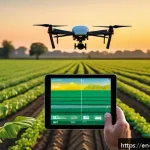
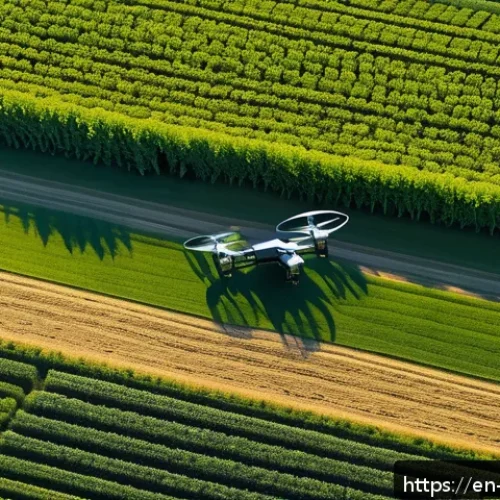
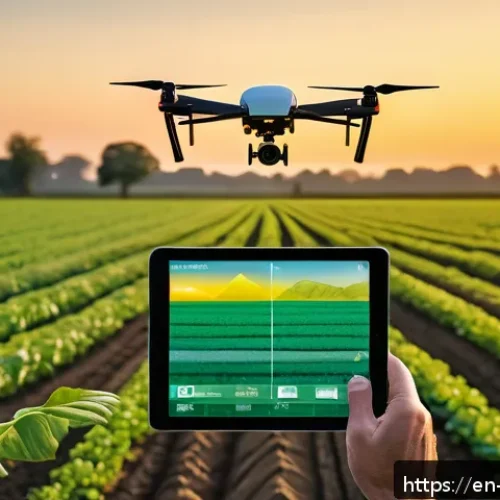
Farmers today have access to sophisticated AI tools that analyze data from drones, satellites, and ground sensors. From my experience visiting several farms using these systems, the ability to detect plant stress or pest infestations early on has been a game changer.
Instead of walking fields manually, farmers get instant alerts on their phones, enabling precise interventions that save both time and resources. The AI algorithms sift through terabytes of data to identify patterns invisible to the naked eye, leading to healthier crops and higher yields.
Soil Health Analytics and Nutrient Management
Advanced sensors and machine learning models now provide detailed insights into soil composition and moisture levels. I’ve seen how these technologies tailor fertilization schedules to exact field conditions, avoiding overuse of chemicals that harm the environment.
This targeted approach not only cuts costs but also promotes sustainable farming practices by maintaining soil fertility over the long term. The feedback loop created by continuous data collection helps farmers adapt quickly to changing weather or crop needs.
Automated Equipment and Robotics
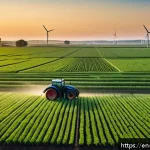
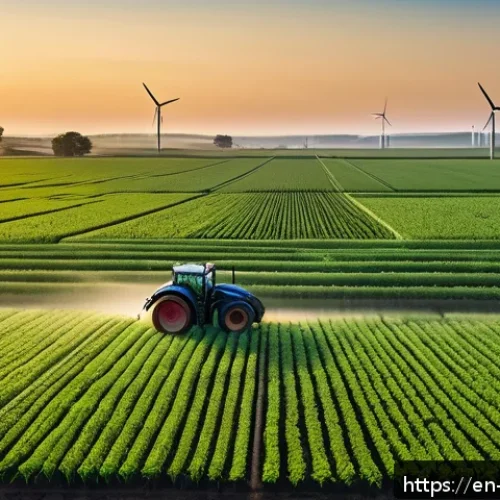
The integration of robotics with data analytics is transforming fieldwork. Autonomous tractors and harvesters, guided by GPS and AI, can operate around the clock with minimal human supervision.
During a recent demo, I noticed how these machines navigate complex terrain and adjust their speed and actions based on real-time data, ensuring precision planting and harvesting.
This shift reduces labor shortages and increases operational efficiency, which is crucial as farm sizes expand and labor costs rise.
Vertical Farming and Controlled Environment Agriculture
Maximizing Space with Vertical Systems
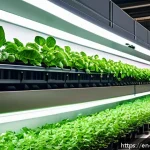
Vertical farming takes advantage of stacked layers in controlled environments to produce crops year-round, independent of climate. I toured a vertical farm where leafy greens were grown under LED lights, and it was impressive how much produce they yielded per square foot compared to traditional fields.
The use of hydroponics and aeroponics minimizes water consumption by recycling nutrients, which is vital in urban areas facing water scarcity.
Climate Control for Optimal Growth
These farms rely on precise control of temperature, humidity, and light spectrum to accelerate plant growth and improve quality. I found that the ability to tweak conditions means crops mature faster and have fewer diseases, making supply chains more reliable.
This technology also reduces pesticide use dramatically, which benefits consumers seeking cleaner food options.
Challenges and Opportunities in Urban Farming
While vertical farming offers many advantages, it also faces hurdles such as high initial setup costs and energy consumption. However, ongoing innovations in renewable energy integration and automation are gradually lowering these barriers.
Urban farms bring fresh produce closer to consumers, cutting down transportation emissions and supporting local economies, which I believe will become a vital part of future food systems.
Sustainable Water and Resource Management
Smart Irrigation Systems
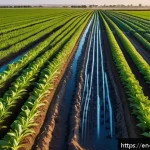
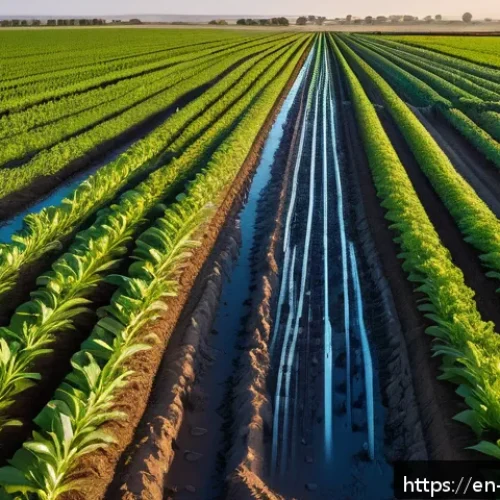
Water scarcity is a growing concern, but smart irrigation technologies offer a promising solution. Using sensors and weather forecasts, these systems deliver water precisely when and where it’s needed.
I recall a farmer sharing how switching to drip irrigation combined with soil moisture sensors reduced water use by nearly 40%, without sacrificing crop health.
This approach conserves water and cuts costs, making farms more resilient to drought.
Renewable Energy on Farms
Many farms are adopting solar panels, wind turbines, and bioenergy to power operations sustainably. From my visits, solar-powered irrigation pumps have proven especially effective in remote areas with limited grid access.
By generating clean energy on-site, farmers reduce their carbon footprint and operational expenses, which is crucial for long-term viability.
Waste Reduction and Circular Agriculture
Innovations in recycling organic waste into compost or biofertilizers are closing nutrient loops. I’ve seen examples where farm waste is converted into energy or soil amendments, reducing landfill reliance and enhancing soil health.
Circular agriculture practices like these contribute significantly to environmental sustainability and cost savings.
Genetic Innovations and Crop Improvement
CRISPR and Gene Editing Advances
Gene editing techniques like CRISPR allow scientists to develop crop varieties resistant to diseases, pests, and extreme weather. During a recent conference, experts showcased wheat strains engineered for drought tolerance, which could secure food supply under climate stress.
These breakthroughs promise faster breeding cycles compared to traditional methods, accelerating the delivery of resilient crops to farmers.
Biofortification and Nutritional Enhancement
Beyond yield, improving nutritional content is gaining attention. Biofortified crops enriched with vitamins and minerals are helping address malnutrition worldwide.
I read about rice varieties enhanced with iron and zinc that could impact millions of people in developing regions, illustrating how agricultural innovation directly supports global health.
Ethical and Regulatory Considerations
Despite the potential, gene editing faces ethical debates and regulatory hurdles. Transparent communication and strict safety evaluations are essential to gain public trust.
From discussions with industry leaders, it’s clear that balancing innovation with responsibility will shape how these technologies are adopted globally.
Farmers’ Role in the Digital Ecosystem
Training and Adoption Challenges
Technology adoption depends heavily on farmer education and accessibility. Many smallholders struggle with digital literacy or initial investment costs.
I encountered programs that provide hands-on training and affordable leasing models, which are helping bridge this gap. Empowering farmers to use data-driven tools effectively is critical for technology to fulfill its promise.
Collaborative Platforms and Market Access
Digital platforms connecting farmers with suppliers, buyers, and experts are creating new opportunities. These networks facilitate transparent pricing, quality assurance, and timely advice.
Based on conversations with farmers, such platforms increase income stability and reduce dependency on intermediaries, making agriculture more inclusive.

Community and Knowledge Sharing
Farmers are increasingly forming cooperatives and online forums to share experiences and innovations. I’ve witnessed how peer-to-peer learning accelerates problem-solving and spreads best practices faster than traditional extension services.
This collective intelligence strengthens resilience and fosters innovation from the ground up.
| Technology | Key Benefits | Challenges | Examples |
|---|---|---|---|
| AI-Powered Crop Monitoring | Early pest detection, precise interventions, yield improvement | Data costs, technology access for small farms | Drones with multispectral cameras, mobile apps for alerts |
| Vertical Farming | Year-round production, water efficiency, urban proximity | High energy use, initial investment | Hydroponic lettuce farms, LED lighting systems |
| Smart Irrigation | Water conservation, cost reduction | Sensor maintenance, upfront costs | Soil moisture sensors, weather-based controllers |
| Gene Editing (CRISPR) | Drought resistance, faster breeding, nutritional enhancement | Ethical concerns, regulatory approval | Gene-edited wheat, biofortified rice |
| Renewable Energy on Farms | Lower carbon footprint, operational savings | Installation costs, energy storage | Solar irrigation pumps, on-farm wind turbines |
Integrating AI with Traditional Knowledge
Blending Old and New Practices
One of the most exciting trends is how AI complements rather than replaces traditional farming wisdom. Farmers’ intimate knowledge of local conditions combined with AI’s data processing creates a powerful synergy.
For example, crop rotation schedules enhanced by AI insights can improve soil health more effectively than either approach alone. I’ve talked to farmers who appreciate how technology respects and amplifies their expertise rather than overriding it.
Customizing Solutions for Diverse Farming Systems
Agriculture varies widely across regions, so AI tools are becoming more adaptable. Machine learning models trained on local data sets provide tailored recommendations that respect cultural practices and environmental nuances.
This customization is key to adoption and success, as a one-size-fits-all approach rarely works in farming.
Human-Centered Technology Design
Designing intuitive interfaces and decision-support tools is crucial to minimize frustration and maximize benefits. From my observations, apps that use simple language, visuals, and voice commands perform better with older or less tech-savvy farmers.
The human-centered approach ensures technology empowers users rather than creating barriers.
Supply Chain Innovations and Food Security
Blockchain for Transparency and Traceability
Blockchain technology is increasingly used to track food from farm to fork, enhancing safety and trust. I explored a pilot project where every step of the supply chain was recorded, reducing fraud and enabling quick recalls.
This transparency reassures consumers and supports farmers who meet high standards by giving them better market access.
Reducing Food Waste with Smart Logistics
AI-driven logistics optimize storage, transportation, and distribution, cutting spoilage dramatically. I’ve seen cold chain management systems that adjust conditions in real-time based on product needs, extending shelf life.
These improvements not only save money but also contribute to global efforts to reduce food loss.
Empowering Local Food Systems
Decentralized food hubs supported by technology connect local producers to urban consumers directly. This shortens supply chains, lowers carbon emissions, and increases food freshness.
From my experience attending food innovation forums, these systems are gaining traction as communities prioritize sustainability and resilience.
Empowering the Next Generation of Farmers
Educational Programs and Digital Literacy
Preparing young people for modern agriculture requires updated curricula and practical training. I’ve visited agricultural schools incorporating coding, robotics, and data science alongside traditional subjects.
This blend equips students to innovate while understanding the biological and ecological foundations of farming.
Startup Culture and Agri-Tech Entrepreneurship
The rise of agri-tech startups is injecting creativity and capital into the sector. Many founders are young entrepreneurs passionate about solving food system challenges.
I attended pitch events where new ideas ranged from drone pollination to AI-driven market forecasting, illustrating the vibrant ecosystem fueling agricultural innovation.
Community Engagement and Inclusion
Ensuring that technological benefits reach marginalized groups, including women and smallholders, is essential for equitable progress. Programs that involve these communities in design and decision-making processes have shown better adoption rates and outcomes.
From conversations with NGOs, inclusive approaches create stronger, more sustainable farming futures.
글을 마치며
Technology is reshaping agriculture in remarkable ways, blending innovation with tradition to create smarter, more sustainable farming. From AI-driven crop monitoring to vertical farming and renewable energy, these advances empower farmers to boost productivity while protecting the environment. Embracing these tools thoughtfully will be key to feeding a growing population and securing our food future.
알아두면 쓸모 있는 정보
1. AI crop monitoring enables early detection of pests and plant stress, helping farmers act swiftly to protect yields.
2. Vertical farming maximizes space and water efficiency, making it ideal for urban agriculture despite higher energy needs.
3. Smart irrigation systems significantly reduce water usage by delivering moisture precisely when crops need it most.
4. Gene editing technologies like CRISPR accelerate the development of resilient crops but require careful ethical consideration.
5. Digital platforms and community networks are crucial for farmer education, market access, and sharing best practices.
중요 사항 정리
Integrating advanced technologies with traditional farming knowledge creates a balanced approach that respects local expertise while enhancing efficiency. Accessibility and training remain critical challenges, especially for small-scale farmers, but innovative solutions and inclusive programs are helping bridge these gaps. Sustainable resource management, transparency in supply chains, and empowering the next generation through education are foundational to building resilient agricultural systems that can meet future demands.
Frequently Asked Questions (FAQ) 📖
Q: How is
A: I transforming traditional farming practices? A1: AI is revolutionizing farming by enabling real-time crop monitoring through drones and sensors, which helps farmers detect diseases, pests, and nutrient deficiencies much earlier than before.
From my experience, using AI-powered tools means less guesswork and more precise interventions, which not only improve crop health but also reduce unnecessary pesticide use.
This technology helps farmers make data-driven decisions, boosting yields while conserving resources, making farming smarter and more sustainable.
Q: What role does vertical farming play in addressing food security challenges?
A: Vertical farming offers a game-changing solution by growing crops in stacked layers indoors, often in urban settings. This method drastically reduces land and water use while allowing year-round production regardless of weather conditions.
I’ve seen vertical farms produce fresh, pesticide-free vegetables right in city centers, cutting down transportation costs and emissions. For densely populated areas facing limited farmland, vertical farming is a promising way to enhance food availability and freshness sustainably.
Q: How do sustainable resource management practices benefit modern agriculture?
A: Sustainable resource management focuses on using water, soil, and energy efficiently to minimize environmental impact while maintaining high productivity.
From my observations, adopting techniques like precision irrigation, cover cropping, and renewable energy integration helps farmers reduce waste and improve soil health over time.
These practices not only combat the effects of climate change but also ensure long-term farm viability, making agriculture more resilient and eco-friendly in the face of growing global demand.