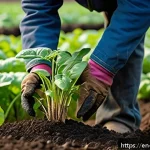
In today’s world, finding sustainable ways to grow food is more important than ever. Hydroponic gardening offers a smart solution by using less water and space while producing fresh, nutritious plants year-round.
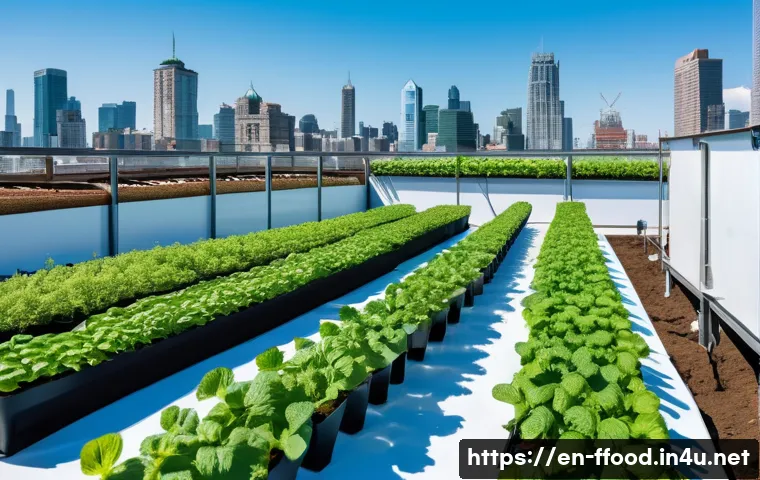
It’s especially valuable in urban areas where traditional farming isn’t feasible. Plus, hydroponics can reduce the environmental impact of agriculture by cutting down on pesticides and soil degradation.
If you’re curious about how this innovative method works and how you can start your own eco-friendly garden, we’ll dive into the details below and make sure you get the full picture!
Understanding the Basics of Hydroponic Systems
How Nutrient Solutions Replace Soil
One of the coolest things about hydroponics is how it completely does away with soil. Instead, plants get their nutrients from a carefully balanced water solution.
This mix contains all the essential minerals plants need to thrive—nitrogen, phosphorus, potassium, calcium, and more. I remember setting up my first system and being amazed at how quickly the plants absorbed the nutrients directly through their roots.
Without soil, plants can grow faster because they don’t waste energy searching for nutrients underground. Plus, it reduces the risk of soil-borne diseases, which is a huge bonus for beginners or anyone wanting a cleaner garden.
Different Types of Hydroponic Setups
Hydroponics isn’t a one-size-fits-all kind of deal. There are several ways to set up your system depending on space, budget, and the types of plants you want to grow.
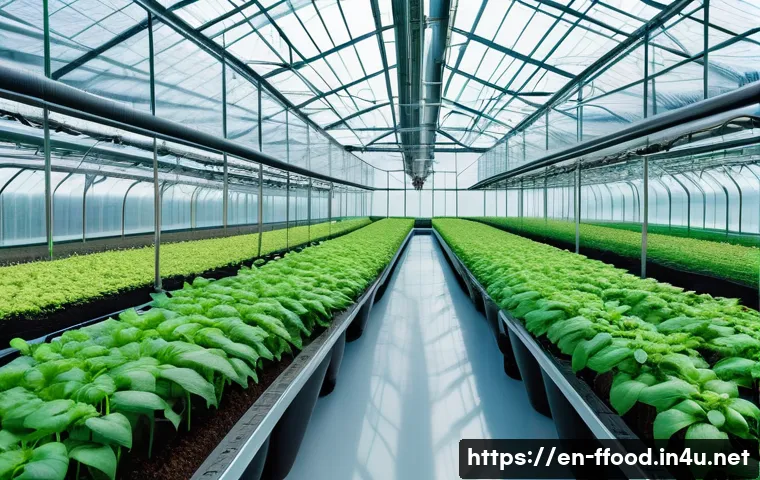
The most popular types include nutrient film technique (NFT), deep water culture (DWC), aeroponics, and drip systems. For example, NFT involves a thin stream of nutrient solution flowing over roots, while DWC suspends roots directly in oxygen-rich water.
I’ve tried a drip system in a small urban balcony setup, and it was surprisingly efficient with water use. Each method has its strengths and quirks, so picking the right one really depends on your goals and environment.
Essential Equipment and Materials Needed
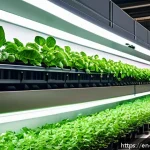
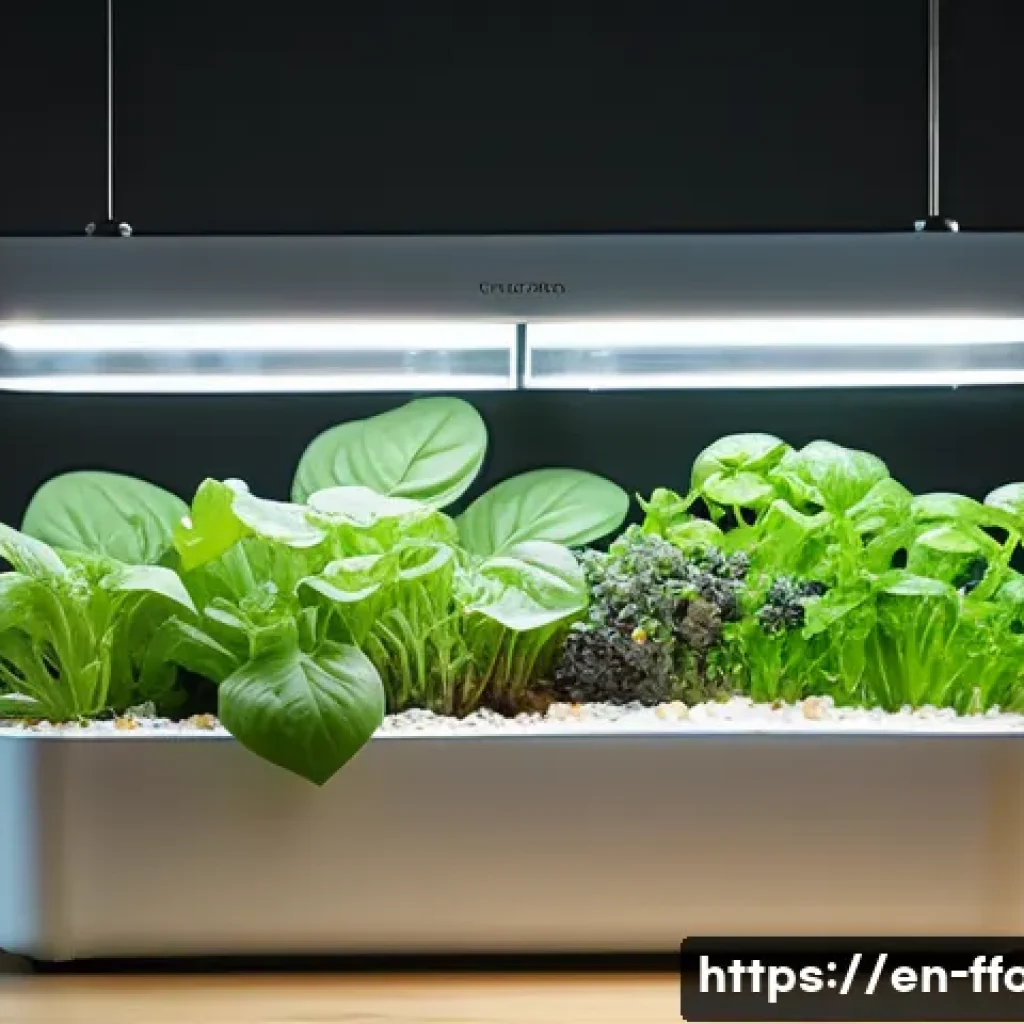
Getting started with hydroponics might feel overwhelming at first, but the equipment list is pretty straightforward. You’ll need containers or trays to hold your plants, a reservoir for nutrient solution, pumps for circulation, and grow lights if you’re indoors.
I’d also recommend investing in a good pH meter and an EC (electrical conductivity) meter to monitor nutrient levels precisely. Trust me, keeping an eye on these parameters makes a huge difference in plant health.
The best part? Many hydroponic setups can be DIY projects using recycled containers and affordable pumps, which makes it a fun and budget-friendly hobby.
Optimizing Growth for Maximum Yield
Controlling Light and Temperature
Light is crucial for photosynthesis, and in hydroponics, controlling light exposure can directly impact how well your plants grow. Whether you’re using natural sunlight or LED grow lights, understanding the right spectrum and duration is key.
From personal experience, I found that 14 to 16 hours of light per day works well for leafy greens like lettuce and spinach. Temperature control is just as important—most plants prefer a range between 65 and 75 degrees Fahrenheit.
Too hot or too cold, and growth slows down or stops altogether. Indoor hydroponic growers often use thermostats and fans to keep conditions steady, which really pays off in consistent harvests.
Balancing Nutrients for Different Plants
Not all plants have the same nutrient needs. For example, tomatoes and peppers require more potassium and calcium during fruiting stages, while leafy greens thrive on higher nitrogen levels.
I learned this the hard way after a few failed attempts growing strawberries—turns out, their nutrient demands are quite specific. Adjusting the nutrient solution according to growth stage and plant type can dramatically improve both yield and flavor.
Keeping detailed notes on what you feed your plants and how they respond can become a valuable reference as you refine your system.
Managing Water Quality and Oxygen Levels
Water quality is often overlooked but plays a huge role in hydroponic success. Using clean, filtered water helps prevent unwanted contaminants and pathogens.
I always recommend testing your tap water first to check pH and hardness. Oxygenation is equally vital because plant roots need oxygen to absorb nutrients efficiently.
Many growers use air stones or diffusers connected to pumps to keep dissolved oxygen levels high. Without enough oxygen, roots can suffocate and rot, leading to plant failure.
Watching those bubbles rise in my reservoir has become a small daily ritual that reassures me everything is working as it should.
Environmental Benefits Compared to Traditional Farming
Water Conservation and Efficiency
One of the standout reasons I love hydroponics is how it slashes water use. Traditional farming can waste tons of water through runoff and evaporation, but hydroponic systems recycle nutrient solutions continuously.
In fact, hydroponics can use up to 90% less water than soil-based agriculture. This water efficiency is a game-changer, especially in drought-prone areas or cities where water is scarce.
I once compared my hydroponic garden’s water consumption to a small soil garden and was shocked at the huge difference. It feels good knowing I’m growing fresh food with a fraction of the water.
Reducing Chemical Use and Soil Damage
Since hydroponics eliminates soil, there’s no need for harmful pesticides or herbicides that often pollute waterways and damage ecosystems. Growing plants in a controlled environment makes pest management easier and more sustainable.
Plus, you avoid soil degradation, which is a major problem with intensive traditional farming. Over time, soil can lose fertility and structure, but with hydroponics, that concern disappears completely.
This means healthier plants and a smaller environmental footprint. From my perspective, this method feels more respectful to the planet while still delivering great harvests.
Lower Carbon Footprint and Urban Food Production
Hydroponics also supports local food production in urban settings, which can cut down on transportation emissions. Growing food close to where it’s consumed means fewer trucks on the road and fresher produce on your plate.
I’ve seen rooftop hydroponic farms in cities that transform unused spaces into green oases, which is both inspiring and practical. This urban approach helps reduce the carbon footprint associated with traditional agriculture and supply chains.
It’s exciting to think about how hydroponics could play a major role in feeding growing city populations sustainably.
Choosing the Right Plants for Your Hydroponic Garden
Best Vegetables and Herbs to Grow
Certain plants really thrive in hydroponic environments, and picking the right ones can make your gardening experience way more rewarding. Leafy greens like lettuce, spinach, and kale are fantastic because they grow quickly and don’t require heavy nutrients.
Herbs such as basil, mint, and cilantro also do wonderfully and add a fresh touch to any kitchen. From my own setup, I noticed herbs are forgiving and grow well even if I slip up on nutrient balance occasionally.
These plants are perfect if you’re just starting out and want fast results.
Fruits and More Challenging Crops
If you’re up for a bit more of a challenge, fruits like strawberries, tomatoes, and peppers can also be grown hydroponically. These crops need more attention to nutrient levels, light, and space, but the payoff is sweet—literally!
I remember the thrill of my first homegrown hydroponic tomato; it tasted fresher and sweeter than anything I bought at the store. Just keep in mind these plants usually require support structures and slightly more complex care, so they’re better suited for experienced growers or those willing to learn.
Considerations for Plant Spacing and Growth Rates
Spacing is something I underestimated early on. Hydroponic plants often grow faster, so giving them enough room to spread out is crucial to avoid overcrowding.
Overcrowding can reduce airflow and increase the risk of disease. Generally, plants like lettuce need about 6 to 8 inches between each other, while larger plants like tomatoes require more space.
Tracking growth rates also helps you plan your harvest and replanting schedule efficiently. Personally, I keep a simple calendar to note when each batch was planted and expected harvest time, which keeps my garden organized and productive.
Practical Tips for Starting Your Own Hydroponic Garden
Setting Up a Beginner-Friendly System
If you’re new to hydroponics, I’d suggest starting small with a simple deep water culture or drip system. These are easier to manage and don’t require complicated plumbing.
You can find starter kits online that include everything you need, which makes setup hassle-free. When I first started, having a kit saved me tons of guesswork and gave me confidence to experiment.
Make sure you choose a spot with stable temperature and access to electricity if you’re using grow lights or pumps.
Maintaining Your Garden Day-to-Day
Hydroponics demands regular attention, but it’s not as time-consuming as it sounds. Checking nutrient levels, pH, and water temperature every few days keeps your plants happy.
Also, topping off the reservoir with fresh nutrient solution and cleaning the system monthly prevents buildup and clogs. I developed a simple routine that fits well around my work schedule—just a quick check in the morning and a bit of maintenance on weekends.
The best part is watching your plants thrive and knowing your effort is paying off.
Common Mistakes to Avoid
One mistake I see beginners make is overfeeding plants or neglecting pH balance. Too many nutrients can burn roots, while incorrect pH can lock out essential minerals.
Another pitfall is poor oxygenation in the water, which can cause root rot. I learned these lessons the hard way but found that keeping detailed logs and testing frequently helps prevent issues.
Patience is key; hydroponics is a learning curve, but once you get the hang of it, it becomes a deeply satisfying hobby.
Comparing Hydroponics with Other Soil-Free Methods
Aeroponics vs. Hydroponics
Aeroponics takes soil-free growing a step further by suspending roots in air and misting them with nutrient solution. This method can promote even faster growth and better oxygen exposure.
However, it requires more technical setup and precise control. I’ve dabbled in aeroponics on a small scale and found it fascinating but more demanding than traditional hydroponics.
If you want the fastest growth and don’t mind the extra complexity, aeroponics might be worth exploring.
Aquaponics: Combining Fish and Plants
Aquaponics blends hydroponics with aquaculture by using fish waste to fertilize plants naturally. It creates a mini-ecosystem where plants clean the water for fish, and fish provide nutrients for plants.
I visited a local aquaponics farm once, and it was impressive how sustainable and balanced the system was. Although it requires knowledge of both fish care and plant growing, aquaponics offers a unique, eco-friendly approach for enthusiasts interested in closed-loop gardening.
Soilless Mixes and Their Role
While hydroponics skips soil, some gardeners prefer soilless mixes like coconut coir, perlite, or vermiculite as a growing medium. These substrates provide physical support and retain moisture but still rely on nutrient solutions.
I’ve used coco coir with hydroponics and appreciated how it balances water retention and aeration for roots. Soilless mixes can be a middle ground for those who want some structure for roots without the mess of soil, making them popular in both indoor and greenhouse gardening.
| Growing Method | Water Usage | Growth Rate | Complexity | Ideal For |
|---|---|---|---|---|
| Deep Water Culture (Hydroponics) | Low (recycles water) | Fast | Low | Leafy Greens, Herbs |
| Nutrient Film Technique (Hydroponics) | Low | Fast | Medium | Small Fruits, Herbs |
| Aeroponics | Very Low | Very Fast | High | Research, Fast Growth Crops |
| Aquaponics | Moderate | Moderate | High | Fish & Plant Enthusiasts |
| Soilless Mix (Coco Coir, Perlite) | Moderate | Moderate | Medium | Indoor Gardening, Seedlings |
Wrapping Up
Hydroponics offers an exciting and efficient way to grow plants without soil, making gardening accessible and sustainable. Whether you’re a beginner or an experienced grower, understanding the basics and choosing the right system can lead to great success. With the right care and attention, hydroponic gardening can provide fresh, healthy produce year-round. It’s a rewarding hobby that combines technology with nature in a truly innovative way.
Useful Tips to Remember
1. Start small with simple systems like deep water culture or drip setups to build confidence and skills before expanding.
2. Keep a close eye on pH and nutrient levels regularly to avoid common issues like nutrient lockout or root damage.
3. Choose plants that suit your hydroponic system and experience level—leafy greens and herbs are great for beginners.
4. Maintain proper light and temperature conditions to optimize growth and ensure consistent yields.
5. Don’t forget to oxygenate your water and use clean, filtered water to keep roots healthy and thriving.
Key Takeaways
Hydroponic gardening is a water-efficient, soil-free method that can dramatically increase growth rates and reduce environmental impact. Selecting the right system and plants, along with careful monitoring of nutrients, pH, and oxygen levels, is essential for success. Regular maintenance and patience will help you avoid common pitfalls and enjoy a bountiful harvest. Ultimately, hydroponics empowers gardeners to produce fresh, flavorful crops sustainably and conveniently, whether indoors or in small urban spaces.
Frequently Asked Questions (FAQ) 📖
Q: What are the main benefits of hydroponic gardening compared to traditional soil gardening?
A: Hydroponic gardening uses significantly less water than soil-based methods because it recirculates water, reducing waste. It also requires less space, making it ideal for urban settings where land is limited.
Additionally, since plants grow in a controlled environment without soil, there’s a lower risk of pests and diseases, which means fewer pesticides are needed.
This leads to cleaner, healthier produce and a smaller environmental footprint overall.
Q: Is hydroponic gardening difficult for beginners to start at home?
A: Not at all! While it might sound technical, many beginner-friendly kits and systems are available that make hydroponics accessible. I personally started with a simple setup using a small container and nutrient solution, and within weeks, I was harvesting fresh greens.
The key is to monitor water pH and nutrient levels regularly, but with a bit of practice, it becomes second nature. Plus, there’s a great community of home gardeners online sharing tips and troubleshooting help.
Q: Can hydroponic gardens grow all types of plants, or is it limited to certain crops?
A: Hydroponics is especially well-suited for leafy greens, herbs, and some fruits like strawberries and tomatoes, which tend to thrive in these systems. Root vegetables and large plants like corn or pumpkins are generally less practical for hydroponic setups at home.
From my experience, focusing on fast-growing, nutrient-dense plants gives the best results and keeps the garden manageable, especially indoors or in small spaces.