As the global population continues to rise, the pressure on agriculture to produce enough food intensifies like never before. Climate change, resource scarcity, and technological advancements are reshaping how we grow, distribute, and consume food.
Sustainable farming practices and innovative solutions are becoming crucial to ensure long-term food security. Understanding these emerging trends helps us prepare for a future where feeding the world is both a challenge and an opportunity.
Let’s dive deeper into what the future holds for agriculture and food security!
Harnessing Technology to Revolutionize Crop Production
Precision Agriculture and Smart Farming
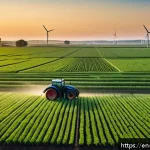
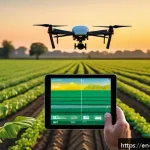
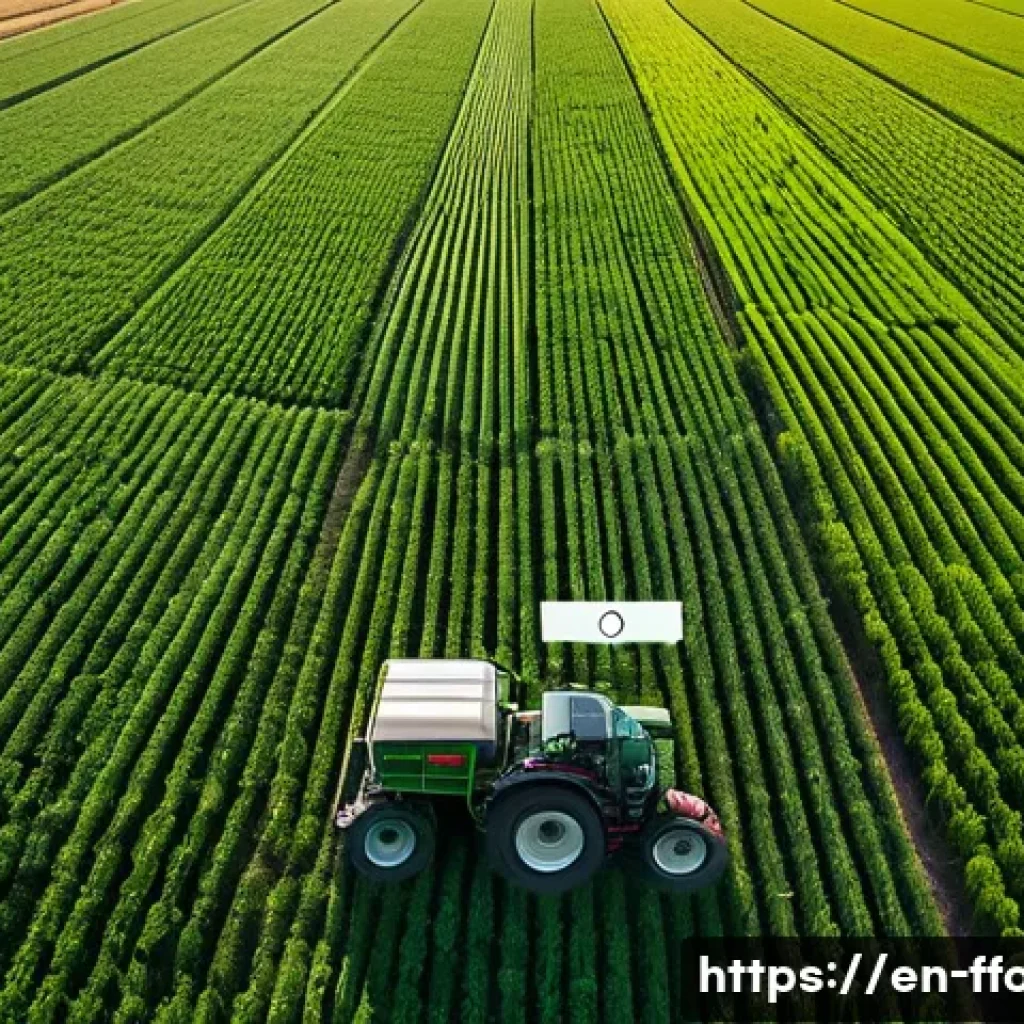
The rise of precision agriculture is transforming traditional farming into a high-tech operation. By using GPS-guided equipment, drones, and satellite imagery, farmers can monitor their fields with incredible accuracy.
This means they apply water, fertilizers, and pesticides only where needed, reducing waste and environmental impact. I’ve seen firsthand how farmers using these technologies report healthier crops and better yields, all while cutting costs.
It’s like having a personal assistant for every inch of your land, making sure nothing is overlooked.
Automation and Robotics in Fieldwork
Robotic harvesters, automated weed control, and even AI-driven planting systems are no longer science fiction. These innovations help tackle labor shortages, a growing issue in many agricultural regions.
When I visited a farm using robotic harvesters, the speed and efficiency blew me away—machines working tirelessly without breaks, picking fruit with delicate precision.
This shift not only boosts productivity but also improves the quality and consistency of produce, which benefits both farmers and consumers.
Data Analytics and AI for Better Decision-Making
Collecting data is just the start; the magic happens when it’s analyzed intelligently. AI-powered platforms can predict pest outbreaks, forecast weather impacts, and suggest optimal planting schedules.
I’ve tried using one such platform, and it felt like having an expert agronomist available 24/7. By integrating real-time data, farmers can make proactive choices that minimize risks and maximize output, ultimately supporting a more resilient food system.
Innovations in Sustainable Water Management
Advanced Irrigation Techniques
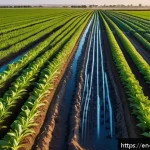
Water scarcity is a pressing issue, and agriculture accounts for the largest share of freshwater use globally. Innovations like drip irrigation and subsurface watering systems are game-changers, delivering water directly to plant roots and drastically reducing evaporation losses.
From personal experience, farms that switch to these systems often see significant water savings without sacrificing crop health. These methods promote sustainability, especially in drought-prone regions where every drop counts.
Water Recycling and Reuse in Agriculture
Some farms are now adopting water recycling technologies, treating and reusing wastewater for irrigation. This approach not only conserves water but also reduces pollution.
I visited a community farm that implemented a closed-loop water system, and it was impressive how efficiently they managed resources while maintaining high production levels.
Scaling this technology could be a vital step toward sustainable farming, especially as water stress intensifies worldwide.
Soil Moisture Sensors and Smart Monitoring
Soil moisture sensors provide real-time feedback on water availability, enabling precise irrigation scheduling. Farmers can avoid overwatering, which wastes resources and harms soil health.
Having tested these sensors, I noticed how they took the guesswork out of watering decisions, making farming more efficient and eco-friendly. When combined with weather forecasts, these tools help maintain optimal moisture levels, protecting crops from drought or waterlogging.
Agroecology and Biodiversity for Resilient Farming Systems
Integrating Crop Diversity and Polyculture
Monoculture farming often leads to soil depletion and increased vulnerability to pests. Shifting to diverse cropping systems, such as polycultures and intercropping, enhances ecosystem health and resilience.
I’ve observed farms where mixing crops improved soil fertility naturally and reduced pest outbreaks, cutting the need for chemical inputs. This approach mimics natural ecosystems, fostering balance and long-term productivity.
Promoting Beneficial Insects and Natural Pest Control
Encouraging pollinators and predatory insects helps keep harmful pests in check without relying on synthetic pesticides. I recall working with farmers who planted flowering strips and hedgerows, which attracted beneficial insects and boosted yields.
This method supports biodiversity and creates a healthier farm environment, benefiting both crops and surrounding wildlife.
Soil Health Restoration Practices
Healthy soil is the foundation of sustainable agriculture. Practices like cover cropping, reduced tillage, and organic amendments rebuild soil structure and fertility.
From my experience, farms adopting these techniques witness improved water retention and nutrient cycling, leading to more robust crops. Investing in soil health today means safeguarding productivity for future generations.
Urban Agriculture and Local Food Systems
Rooftop Gardens and Vertical Farming
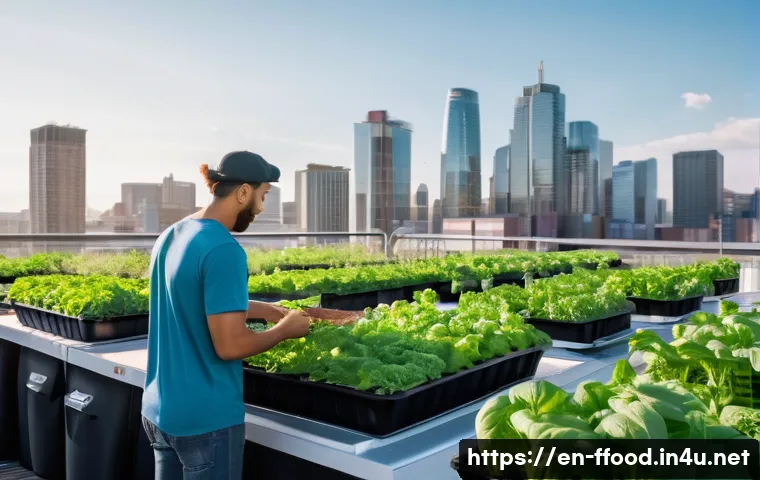
Urban agriculture is reshaping how we think about food production. Vertical farms and rooftop gardens bring fresh produce closer to consumers, reducing transportation emissions and enhancing food security in cities.
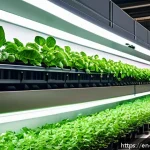
I’ve seen vertical farms using LED lights and hydroponics to grow leafy greens year-round, even in small spaces. These innovations provide fresh, pesticide-free food while making urban environments greener.
Community-Supported Agriculture (CSA) and Local Markets
CSAs and farmers markets strengthen the connection between producers and consumers, promoting transparency and trust. Joining a CSA myself, I appreciated receiving fresh, seasonal produce directly from local farmers, which also supports their livelihoods.
This model encourages sustainable practices by rewarding farmers for quality and environmental stewardship.
Food Waste Reduction Through Local Distribution
Shortening supply chains helps minimize food loss by reducing the time produce spends in transit and storage. Local distribution networks enable quicker delivery of fresh food to consumers, which I’ve noticed significantly lowers spoilage.
Integrating technology and community initiatives can further enhance these systems, making urban food supply more reliable and sustainable.
Policy and Investment Trends Shaping Agriculture
Government Incentives for Sustainable Practices
Many countries now offer subsidies and grants to farmers adopting environmentally friendly techniques. These incentives lower the financial risks associated with transitioning to sustainable agriculture.
I’ve talked to farmers who credit these programs for enabling them to invest in new technologies and conservation efforts they otherwise couldn’t afford.
Private Sector Engagement and Agri-Tech Funding
Startups and venture capital are pouring into agri-tech, fueling innovation across the food value chain. From precision farming tools to alternative protein development, private investments accelerate solutions that address food security challenges.
Witnessing the dynamic growth of agri-tech hubs, it’s clear that the market is recognizing the enormous potential of these technologies.
International Collaboration and Knowledge Sharing
Global partnerships facilitate sharing best practices and scaling successful models worldwide. Platforms that connect researchers, policymakers, and farmers enable faster adoption of innovations.
I’ve participated in workshops where cross-border collaboration led to practical solutions tailored to local contexts, reinforcing the importance of cooperation in tackling global food challenges.
Emerging Crop Varieties and Genetic Innovations
Developing Climate-Resilient Crops
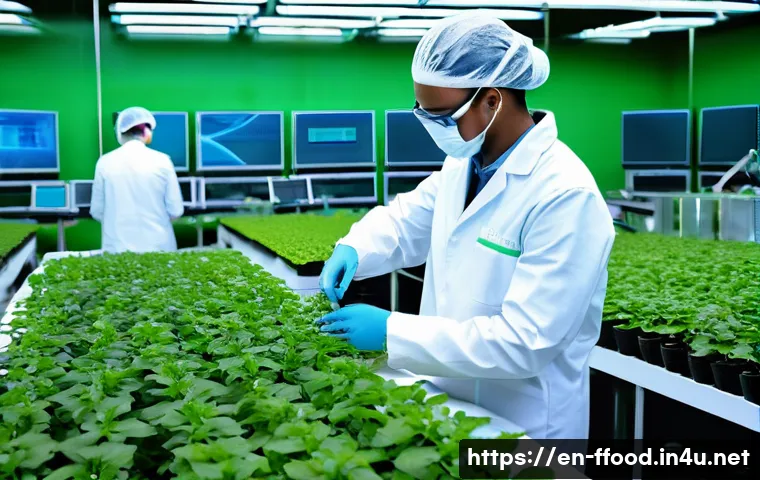
Breeding new crop varieties that withstand extreme weather, pests, and diseases is vital for future food security. Advances in genomics and gene editing accelerate this process, producing plants that thrive under stress.
I’ve followed trials of drought-tolerant maize and salt-resistant rice, which show promising results for farmers facing changing climates.
Biofortification to Enhance Nutritional Value
Biofortification enriches staple crops with essential vitamins and minerals, addressing malnutrition in vulnerable populations. Crops like vitamin A-enriched sweet potatoes or iron-fortified beans can improve public health outcomes.
Learning about communities benefiting from these crops made me appreciate how agricultural innovation can directly impact nutrition and wellbeing.
Ethical Considerations and Regulatory Frameworks
While genetic innovations offer immense benefits, they also raise ethical and safety concerns. Transparent regulatory processes and public engagement are necessary to build trust and ensure responsible use.
I’ve noticed that when farmers and consumers are involved in decision-making, acceptance of new technologies improves, leading to smoother implementation and greater impact.
| Trend | Key Benefits | Challenges | Examples |
|---|---|---|---|
| Precision Agriculture | Resource efficiency, higher yields, reduced environmental impact | High initial costs, technology adoption barriers | GPS-guided tractors, drone monitoring |
| Sustainable Water Management | Water conservation, improved soil health, drought resilience | Infrastructure investment, maintenance complexity | Drip irrigation, water recycling systems |
| Urban Agriculture | Local food access, reduced carbon footprint, community engagement | Space limitations, energy consumption for indoor farming | Vertical farms, rooftop gardens |
| Genetic Innovations | Climate resilience, enhanced nutrition, pest resistance | Ethical concerns, regulatory hurdles | Drought-tolerant crops, biofortified staples |
| Policy and Investment | Financial support, innovation acceleration, knowledge sharing | Policy inconsistency, unequal access to funds | Government subsidies, agri-tech funding |
Conclusion
Technology is reshaping agriculture in remarkable ways, making farming more efficient, sustainable, and resilient. From precision tools to innovative water management and genetic breakthroughs, these advancements offer promising solutions to global food challenges. Embracing these changes can empower farmers and communities alike, ensuring a healthier future for food production worldwide.
Useful Information to Keep in Mind
1. Precision agriculture helps farmers optimize resources and increase yields by targeting inputs exactly where they’re needed, reducing waste and environmental harm.
2. Advanced irrigation and water recycling techniques play a crucial role in conserving water, especially in drought-prone areas, while maintaining crop health.
3. Urban agriculture, including vertical farming and rooftop gardens, brings fresh produce closer to city dwellers and reduces transportation emissions.
4. Genetic innovations like climate-resilient and biofortified crops enhance food security and nutrition but require careful ethical and regulatory consideration.
5. Supportive policies and private investments are vital to accelerating agricultural innovation and helping farmers adopt sustainable practices.
Key Takeaways
Embracing modern agricultural technologies and sustainable practices is essential for meeting the growing global demand for food while protecting natural resources. Farmers benefit from precision tools, data-driven insights, and automation that improve efficiency and crop quality. Water management innovations ensure conservation amid climate challenges. Diverse cropping and ecological methods strengthen farm resilience. Urban and local food systems shorten supply chains and reduce waste. Meanwhile, supportive policies and investments create an enabling environment for continuous progress. Together, these elements build a more sustainable and food-secure future.
Frequently Asked Questions (FAQ) 📖
Q: How is climate change impacting global agriculture and food security?
A: Climate change is dramatically altering weather patterns, causing unpredictable droughts, floods, and temperature extremes. These changes disrupt crop growth cycles and reduce yields, directly threatening food availability.
For example, prolonged droughts can wither staple crops like wheat and maize, while unexpected heavy rains can damage harvests. As a result, farmers must adapt by adopting resilient crop varieties and improved water management techniques.
The urgency to tackle climate change is not just environmental—it’s deeply tied to our ability to feed a growing population sustainably.
Q: What role do sustainable farming practices play in addressing resource scarcity?
A: Sustainable farming is essential in managing limited resources such as water, soil, and energy. Techniques like crop rotation, organic fertilization, and precision irrigation help maintain soil health and reduce waste.
From my experience, farms implementing these methods often see improved long-term productivity and cost savings, even if initial investments are higher.
By using resources more efficiently and minimizing environmental damage, sustainable agriculture supports food production without exhausting the very systems it depends on, making it a cornerstone of future food security.
Q: How can technological innovations help meet the food demands of a growing population?
A: Technology is a game-changer in modern agriculture. Innovations like drone monitoring, AI-powered analytics, and genetically edited crops enable farmers to optimize yields and reduce losses.
I’ve seen firsthand how smart sensors can detect pest infestations early, allowing targeted interventions that save entire fields. Furthermore, vertical farming and lab-grown meat are emerging solutions that could supplement traditional agriculture, especially in urban areas with limited land.
These advancements not only increase efficiency but also open new pathways to feed more people sustainably.