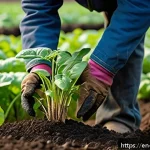
As global populations soar and climate change disrupts traditional farming, the challenge of feeding billions becomes increasingly urgent. Innovations in agricultural technology, from precision farming to lab-grown meats, are transforming how we produce food more sustainably and efficiently.
These breakthroughs not only promise to boost yields but also reduce environmental impact, addressing both hunger and conservation. Exploring these advancements offers hope for a future where food scarcity is no longer a looming crisis.
Let’s dive deeper and uncover how cutting-edge technologies are reshaping the way we secure our food supply. I’ll guide you through the details to make it crystal clear!
Revolutionizing Crop Management with Smart Technology
Real-Time Monitoring and Data Analytics
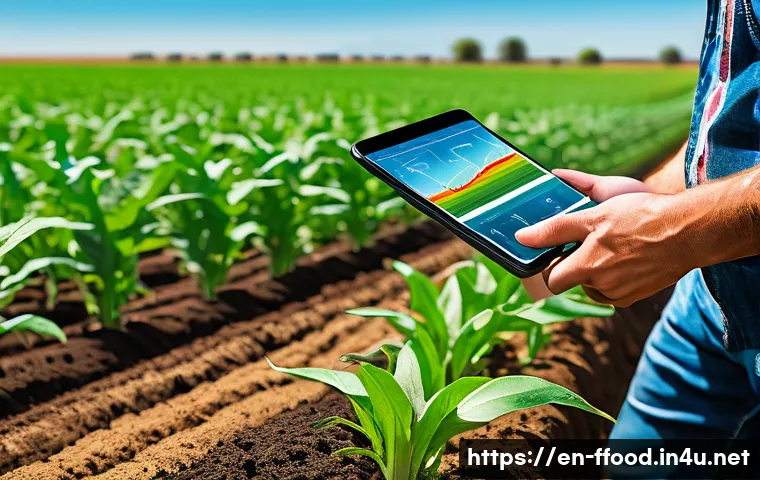
Modern farming has embraced real-time monitoring systems that provide farmers with up-to-the-minute insights into crop health, soil moisture, and weather conditions.
Using sensors placed directly in fields, farmers can track data points that were once impossible to gather efficiently. I remember visiting a farm where these sensors helped adjust irrigation schedules dynamically, saving water and preventing overwatering.
The ability to analyze this data through AI-powered platforms means decisions are based on facts rather than guesswork, which significantly improves yields and resource use.
Automated Machinery and Robotics
Automation has transformed labor-intensive tasks, from planting seeds to harvesting. Drones and robotic harvesters now handle these jobs with precision, reducing human error and fatigue.
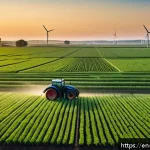
On a recent trip to a farm using autonomous tractors, I noticed how these machines could operate continuously and navigate tricky terrains without supervision.
This technology not only cuts costs but also helps address labor shortages, a growing concern in agriculture worldwide. What’s more, automation enables more consistent crop quality and timely operations, which are crucial for meeting market demands.
Predictive Analytics for Pest and Disease Control
The use of predictive analytics tools has given farmers a powerful weapon against pests and diseases. By analyzing historical data and current environmental conditions, these systems forecast outbreaks before they become widespread.
I’ve seen farmers receive early warnings on their smartphones, allowing them to apply targeted treatments only where needed. This method reduces pesticide use, lowers costs, and minimizes environmental impact.
It’s a win-win that highlights how technology can make farming more sustainable and proactive rather than reactive.
Next-Generation Protein Sources Changing the Food Landscape
Lab-Grown Meat: A Sustainable Alternative
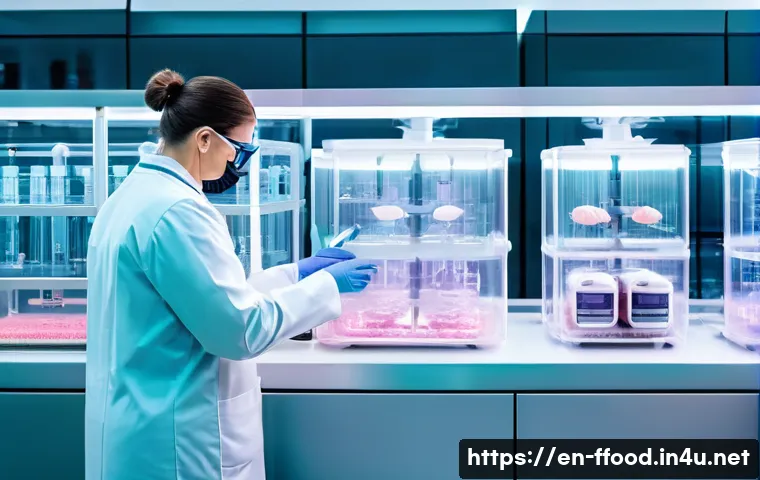
Lab-grown, or cultured, meat is no longer just a futuristic concept; it’s becoming a tangible solution to reduce the strain on traditional livestock farming.
Having tasted lab-grown chicken at a food tech event, I was impressed by how close it was to conventional meat in both texture and flavor. This innovation cuts down on land use, water consumption, and greenhouse gas emissions.
Plus, it bypasses many ethical concerns associated with animal farming. As production scales up and prices drop, lab-grown meat could become a mainstream option for consumers seeking sustainable protein.
Plant-Based Proteins: More Than Just a Trend
Plant-based alternatives have surged in popularity, driven by consumer demand for healthier and eco-friendly foods. Brands have refined their products to mimic the taste and texture of meat closely, making them appealing even to non-vegetarians.
From pea protein burgers to chickpea-based deli slices, these products provide versatile options for meals. What stood out to me is how these alternatives also offer nutritional benefits, such as lower saturated fats and higher fiber content, which appeal to health-conscious buyers.
Insect Protein: The Underappreciated Powerhouse
Insect farming is gaining traction as a nutrient-rich and low-impact protein source. While it might sound unusual to some, insects like crickets and mealworms require far less feed and water than cattle or pigs.
I had the chance to sample cricket protein bars during a sustainability conference, and the taste was surprisingly pleasant. Incorporating insect protein into animal feed or even human diets could drastically reduce the environmental footprint of protein production.
However, wider acceptance depends on overcoming cultural barriers through education and tasty product development.
Precision Irrigation: Maximizing Water Efficiency in Agriculture
Drip Irrigation Systems and Their Advantages
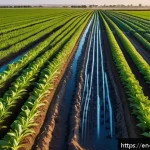
Drip irrigation delivers water directly to plant roots through a network of tubes and emitters, drastically reducing water waste compared to traditional methods.
I’ve seen farms switch to drip systems and cut their water usage by almost half, which is critical in drought-prone areas. Besides conserving water, this technique also limits weed growth and soil erosion, leading to healthier crops and better yields.
The initial investment can be significant, but the long-term savings and environmental benefits make it worthwhile.
Smart Irrigation Controllers and Automation
By combining soil moisture sensors with weather forecasts, smart irrigation controllers can automatically adjust watering schedules. This technology means farmers no longer have to rely on fixed routines that may over- or underwater crops.
On a visit to a vineyard using smart controllers, I noticed the system fine-tuned irrigation every day, responding to subtle changes in weather and soil conditions.
This not only preserves water but also enhances grape quality, showing how precision irrigation can align perfectly with crop-specific needs.
Satellite and Drone-Assisted Water Management
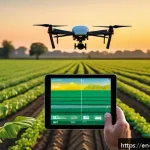
Satellites and drones equipped with advanced imaging tools offer a bird’s eye view of water distribution and crop stress indicators. These technologies provide detailed maps highlighting areas that need more or less water.
I remember a farmer describing how drone surveys helped him detect dry patches invisible to the naked eye, allowing for targeted irrigation. This level of precision ensures resources are used where they are most needed, reducing waste and increasing resilience against droughts.
Artificial Intelligence Empowering Farming Decisions
Crop Yield Forecasting Models
AI-driven models analyze vast datasets, including weather, soil, and historical yield records, to predict crop performance with remarkable accuracy. I’ve talked to agronomists who rely on these forecasts to plan planting schedules and allocate resources effectively.
The insights help farmers avoid overproduction or shortages, stabilizing market supply and prices. This forecasting capability is especially valuable in a world where climate unpredictability is the new norm.
AI-Enhanced Supply Chain Optimization
Beyond the field, AI optimizes how food moves from farm to table. By predicting demand and managing inventory, AI systems reduce food waste and improve freshness.
I’ve observed how some companies use AI to synchronize harvest timing with transportation, ensuring produce reaches consumers at peak quality. This reduces losses and increases profitability across the supply chain, benefiting farmers, distributors, and consumers alike.
Personalized Farming Recommendations
AI platforms can tailor advice to individual farms based on their unique conditions and goals. From soil amendments to crop rotation strategies, farmers receive customized guidance that maximizes efficiency.
I once used a service that analyzed my garden’s data and recommended specific nutrients and planting dates, and the results were impressive. Such personalization helps small and large-scale farmers alike make smarter decisions without needing deep expertise.
Innovations in Sustainable Packaging for Food Products
Biodegradable and Compostable Materials
Sustainable packaging is crucial for reducing agriculture’s environmental impact, and biodegradable options are leading the way. Materials like plant-based plastics and paper composites break down naturally, minimizing landfill waste.
I’ve switched to buying products with these packaging types and noticed companies increasingly highlight their eco-friendly credentials. This shift not only appeals to conscious consumers but also supports circular economy principles.
Edible Packaging Solutions
Edible packaging, made from materials like seaweed or rice, offers an innovative approach to waste reduction. Though still niche, these products have practical uses, such as edible cups or wrappers.
I tried a seaweed-based snack wrap recently, and it was both tasty and convenient. As this technology matures, it could revolutionize how we think about single-use packaging in food industries.
Smart Packaging with Sensors
Incorporating sensors into packaging helps monitor food freshness and safety in real time. This technology can alert consumers and retailers about spoilage or contamination before it becomes visible.
I’ve seen smart labels that change color when food starts to degrade, which adds a layer of transparency and trust. Such innovations can reduce food waste by ensuring products are consumed within optimal windows.
Urban Farming: Bringing Food Production Closer to Consumers
Vertical Farming and Controlled Environment Agriculture
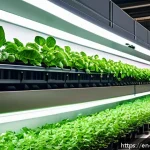
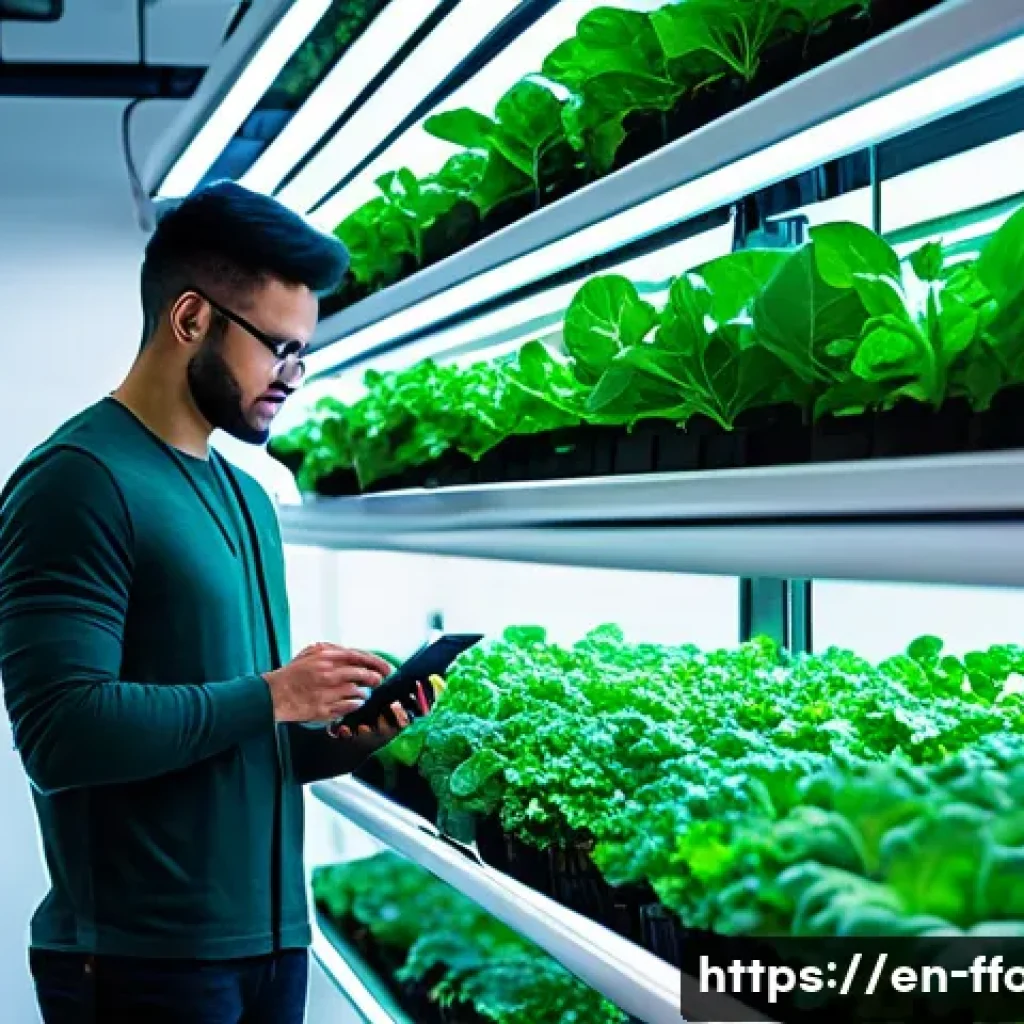
Vertical farming uses stacked layers and controlled environments to grow crops year-round in urban settings. Visiting a vertical farm in a city center, I was amazed at how efficiently they produced fresh greens using LED lighting and hydroponics.
This method dramatically reduces land and water use compared to traditional farms. Plus, growing food close to urban consumers cuts down transportation emissions and delivers fresher produce.
Community Gardens and Rooftop Farms
Community-driven urban farming projects empower neighborhoods to grow their own food, enhancing food security and social cohesion. I volunteered at a rooftop garden that not only provided fresh vegetables but also became a hub for education and connection.
These initiatives demonstrate how urban agriculture can improve local diets, reduce food deserts, and foster environmental stewardship.
Integration of Technology in Urban Agriculture
Technology supports urban farming through automated systems, IoT sensors, and AI monitoring. These tools help optimize growth conditions in limited spaces, ensuring high yields despite urban constraints.
I spoke with an urban farmer who uses smartphone apps to track nutrient levels and adjust lighting schedules remotely. This blend of tech and agriculture makes urban farming more accessible and productive.
| Technology | Primary Benefit | Example Use Case | Environmental Impact |
|---|---|---|---|
| Precision Irrigation | Water conservation and increased crop yield | Drip irrigation in drought-prone farms | Reduces water waste and soil erosion |
| Lab-Grown Meat | Alternative protein with lower resource use | Commercial cultured chicken products | Decreases land and water consumption |
| AI Crop Forecasting | Improved planning and reduced waste | Yield predictions for corn and wheat | Optimizes resource allocation |
| Urban Vertical Farming | Year-round fresh produce in small spaces | Hydroponic greens in city centers | Minimizes transport emissions |
| Smart Packaging | Enhanced food safety and waste reduction | Sensor labels on perishable goods | Extends product shelf life |
Advances in Soil Health and Regenerative Practices
Microbial Inoculants and Soil Biomes
Recent research has highlighted the importance of healthy soil microbiomes in boosting crop resilience and productivity. Microbial inoculants are now used to enrich soil with beneficial bacteria and fungi, improving nutrient uptake.
I’ve witnessed farmers who switched to these natural enhancers see stronger plants and reduced fertilizer needs. This approach supports long-term soil fertility and reduces chemical runoff, contributing to ecosystem health.
Cover Crops and Crop Rotation Benefits
Using cover crops and rotating different plant species helps restore soil structure and prevent nutrient depletion. A friend who manages a large organic farm told me how these practices decreased pests and improved yields without synthetic inputs.
Cover crops also reduce erosion and increase organic matter, making the soil more drought-resistant. These time-tested methods combined with modern science create a powerful toolkit for sustainable farming.
Carbon Sequestration through Agriculture
Agriculture is increasingly recognized as a potential carbon sink through practices that store carbon in soil. Techniques like no-till farming and agroforestry enhance soil carbon storage while maintaining productivity.
I’ve read case studies where farms adopting these methods significantly lowered their carbon footprints. Supporting such practices aligns food production with climate goals and offers farmers new income streams via carbon credits.
Empowering Smallholder Farmers with Digital Platforms
Access to Market and Pricing Information
Digital platforms provide smallholder farmers with real-time market prices and demand forecasts, empowering them to negotiate better deals. I spoke with a cooperative leader who credits a smartphone app for increasing their members’ incomes by avoiding middlemen.
Access to transparent pricing helps farmers time their sales and choose profitable crops, which is critical for financial sustainability.
Mobile Advisory Services and Training
Mobile technology delivers agronomic advice, weather updates, and best practices directly to farmers’ phones. These services overcome barriers like distance and literacy, expanding knowledge access.
From personal experience volunteering in rural areas, I saw how SMS-based tips improved farmers’ pest management and harvesting techniques, leading to higher quality produce.
Financial Inclusion and Digital Payments
Digital payment systems and microloans enable farmers to invest in inputs and equipment without traditional banking hurdles. I’ve observed how mobile money platforms facilitate transactions even in remote regions, reducing reliance on cash and increasing security.
Financial inclusion supports farm growth and resilience, particularly for women and marginalized groups who often face credit constraints.
Conclusion
Innovations in agriculture are reshaping how we grow, manage, and consume food. From smart technology to sustainable practices, these advancements offer practical solutions for efficiency and environmental stewardship. Embracing these tools not only benefits farmers but also supports global food security and climate goals. The future of farming is smarter, greener, and more connected than ever before.
Useful Information to Keep in Mind
1. Real-time data monitoring helps farmers make informed decisions, improving crop health and resource management.
2. Automated machinery reduces labor demands and increases operational precision, addressing workforce challenges.
3. Sustainable protein sources like lab-grown meat and insect protein offer eco-friendly alternatives to traditional livestock.
4. Precision irrigation technologies conserve water while boosting crop yields, crucial in areas facing water scarcity.
5. Digital platforms empower smallholder farmers with market access, training, and financial tools, enhancing livelihoods.
Key Takeaways
Adopting smart agricultural technologies and sustainable methods is essential for modern farming success. These innovations improve efficiency, reduce environmental impact, and promote economic resilience. Farmers who leverage data-driven insights and automated systems are better equipped to meet market demands and climate challenges. Supporting small-scale producers through digital tools fosters inclusivity and strengthens the entire food supply chain. Ultimately, integrating technology with regenerative practices paves the way for a more sustainable and productive future in agriculture.
Frequently Asked Questions (FAQ) 📖
Q: How does precision farming help increase food production while protecting the environment?
A: Precision farming uses technology like GPS, sensors, and data analytics to monitor crops and soil conditions in real time. This allows farmers to apply water, fertilizers, and pesticides exactly where and when they’re needed, reducing waste and minimizing harmful runoff.
From my experience, farms using precision techniques have seen better yields with less environmental damage, making it a win-win for both food security and sustainability.
Q: Are lab-grown meats a realistic solution to global food shortages?
A: Lab-grown meats, also known as cultured or cell-based meats, are becoming increasingly viable as production costs drop and technology improves. They offer a way to produce protein without the land, water, and greenhouse gas emissions tied to traditional livestock farming.
While still not widespread on grocery shelves, I’ve noticed more startups and restaurants testing these products, signaling they could play a significant role in feeding a growing population sustainably within the next decade.
Q: What challenges do these new agricultural technologies face before becoming mainstream?
A: Despite their promise, technologies like precision farming and lab-grown meat face hurdles such as high initial costs, regulatory approval, and consumer acceptance.
Farmers may hesitate to invest without clear evidence of profitability, and many people remain skeptical about lab-grown foods. From talking to industry experts, I’ve learned that education, policy support, and continued innovation will be key to overcoming these barriers and making these solutions accessible to all.